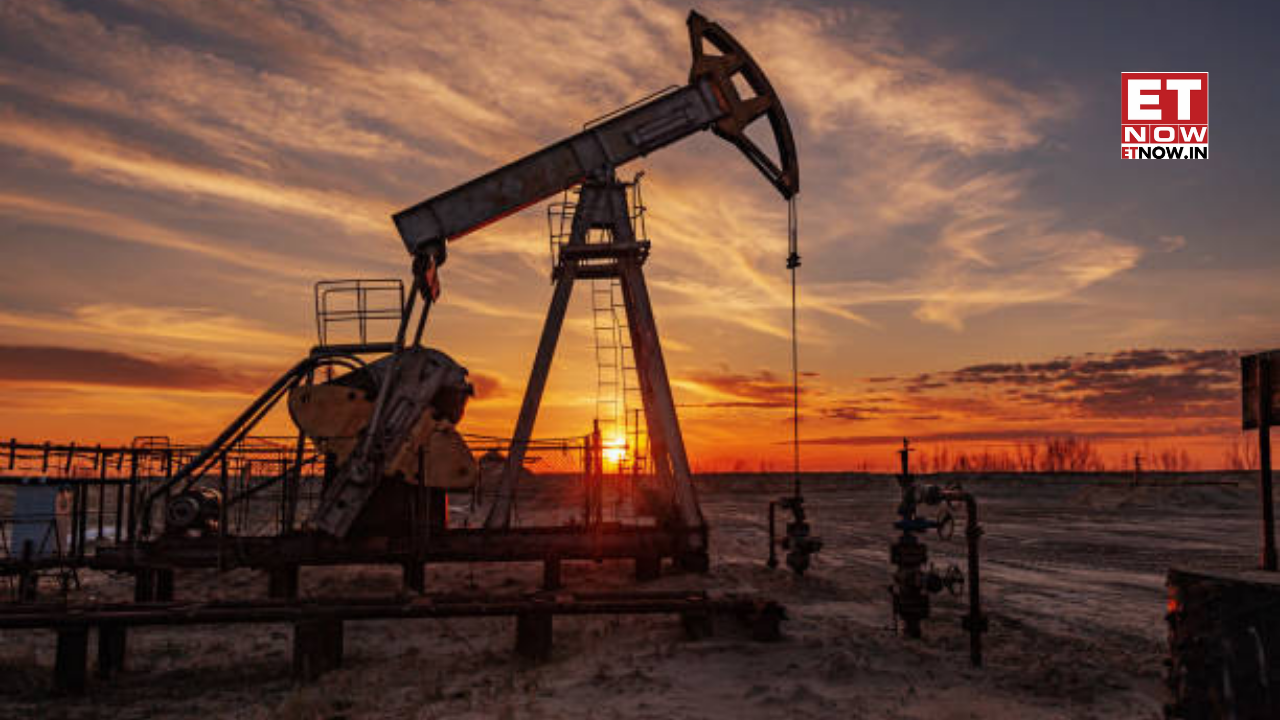
Oil prices continued to trade at elevated levels, with Brent crude holding above the USD 110 per barrel mark, as persistent tensions in West Asia kept global energy markets on edge. Brent crude was last seen at around USD 111.4 per barrel, up about 2 per cent, while WTI crude climbed to USD 108, rising over 2.4 per cent, reflecting fears of potential supply disruptions amid geopolitical uncertainty.
Market sentiment, however, saw some moderation after comments from US President Donald Trump suggested that a planned US military strike on Iran had been “put off” following requests from Gulf nations to allow more time for negotiations. Trump indicated that the delay could be prolonged indefinitely, while reiterating that the US would not permit Iran to develop nuclear weapons. Countries such as Saudi Arabia, Qatar and the UAE are reportedly pushing for a diplomatic resolution, easing immediate concerns of escalation.
Despite this, broader financial markets remained volatile. US equities ended mixed, with the Dow Jones Industrial Average gaining 160 points to close at 49,686, while the S&P 500 slipped marginally by 0.1 per cent. The Nasdaq Composite declined 0.5 per cent, weighed down by tech stocks. Investors remained cautious as headlines around Iran and sharp swings in oil prices drove intraday volatility.
Oil prices have remained highly volatile, with concerns mounting over potential supply disruptions at the Strait of Hormuz, a critical maritime chokepoint that handles nearly 20 per cent of global oil flows, heightening inflation risks for economies worldwide.
Earlier on April 30, Brent climbed near a multi-year high of USD 126 a barrel, gaining nearly 7 percent intraday, extending the momentum built on the back of a strong surge earlier. Before, on March 9, Brent crude surged over 27 per cent to trade at a multi-year high of USD 119 a barrel amid escalating West Asia tensions.
The prices later dropped significantly after the ceasefire announcement and coordinated oil reserve release by major G7 economies. The oil price, although at a multi-year high, is still lower than its all-time high of USD 147 per barrel seen in July, 2008. The recent hike was also lower than the USD 130 per barrel price that was hit in 2022 during the Russia-Ukraine crisis.
(Disclaimer: The above article is meant for informational purposes only, and should not be considered as any investment advice. ET NOW DIGITAL suggests its readers/audience to consult their financial advisors before making any money related decisions.)