
As the month of October kicks in, here’s some of the changes that could affect your banking, borrowing, savings, tax and household expenses.
 1/8
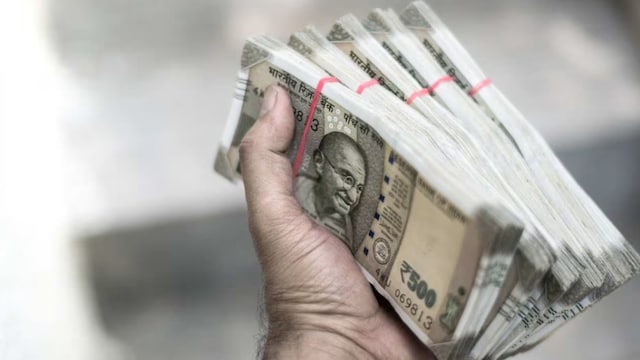
1/8October 2026 will bring several changes across banking, savings, taxation, payments and household expenses. The changes include a higher EPF wage ceiling, revised SBI ATM transaction limits, extended Income-Tax deadlines and mandatory Aadhaar authentication for subsidised LPG refills. The Reserve Bank of India’s October monetary policy meeting, revised rules for bulk-deposit interest-rate disclosures and changes in National Pension System (NPS) charges will also be important for borrowers, savers and investors. (Image CNBCTV18.com file) The following are the key money changes to watch out for in October 2026.
 2/8
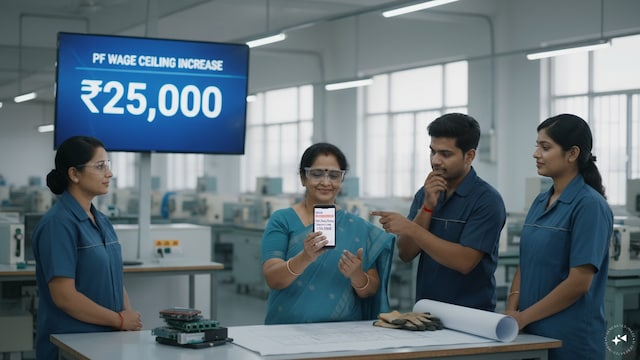
2/8PF wage ceiling rises to ₹25,000 | The statutory wage ceiling for mandatory provident-fund coverage has been increased from ₹15,000 to ₹25,000 a month, with effect from September 17, 2026. October will therefore be the first full payroll month in which the revised ceiling could reflect in salary calculations for affected employees. For employees whose PF contribution is restricted to the statutory ceiling, the maximum employee contribution can rise from ₹1,800 a month to ₹3,000 a month. This represents 12% of the revised ₹25,000 wage ceiling. For eligible EPS members, the pension contribution at 8.33% of the statutory ceiling would rise from ₹1,250 to about ₹2,083 a month. The actual impact, however, will depend on the employee’s salary structure and whether PF contributions are being made on the statutory ceiling or actual wages.
 3/8
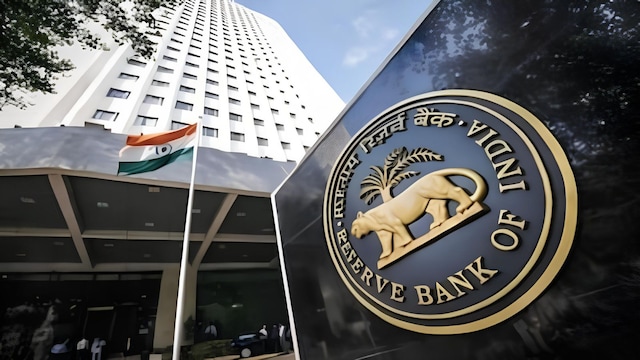
3/8RBI MPC meeting: Repo rate decision on October 7 | The Reserve Bank of India’s Monetary Policy Committee (MPC) is scheduled to meet from October 5 to October 7. The policy decision on October 7 will determine whether the central bank changes the repo rate or keeps it unchanged. The repo rate stood at 5.25% after the RBI’s August policy review. Any change can influence borrowing and deposit rates, although the impact on consumers will depend on how banks transmit the change to their lending and deposit rates. (Image CNBCTV18.com file)
 4/8
4/8ITR deadline extended for tax-audit cases | The Central Board of Direct Taxes (CBDT) has extended the Income-Tax Return and audit-report deadlines for specified taxpayers covered by tax-audit provisions for assessment year 2026-27. The deadline for furnishing the tax-audit report has been extended from September 30 to October 21, 2026. The ITR filing deadline for these taxpayers has also been extended from October 31 to November 21, 2026. The extensions apply to the specified taxpayers covered by the CBDT circular and give taxpayers and tax professionals additional time to complete the audit and return-filing process for FY 2025-26. (Image AI)
 5/8
5/8LPG Aadhaar authentication: What changes from October 1? | From October 1, 2026, domestic LPG consumers will need to complete Biometric Aadhaar Authentication to book refills at the regulated retail selling price with applicable subsidy. Consumers who have already completed the authentication do not need to repeat the process. Those who do not complete it can still obtain LPG, but will have to pay the applicable market price without the subsidy, according to the government-announced process. (Image AI generated)
 6/8
6/8SBI ATM rules: Free transactions at other-bank ATMs cut to five | State Bank of India (SBI) is revising the free ATM transaction limit for its Salary Package Account holders from October 1, 2026. The number of free monthly transactions at other banks’ ATMs and Automated Deposit-cum-Withdrawal Machines (ADWMs) will be reduced from 10 to five. The limit will cover both financial and non-financial transactions. The change applies to SBI Salary Package Account variants. Transactions at SBI ATMs will continue to have separate limits applicable to the account. For Basic Savings Bank Deposit (BSBD) accounts, four cash withdrawals a month will continue to be free. After that, every transaction will attract a charge of ₹15 plus GST. (Image Canva)
 7/8
7/8NPS charges: New PoP fee structure | The Pension Fund Regulatory and Development Authority (PFRDA) has revised the charge structure for Points of Presence (PoPs) under NPS and NPS Lite. The revised framework includes a one-time onboarding charge of ₹200 per new account, with applicable taxes. Under the revised structure, the charge is not necessarily recovered as a single direct deduction from the subscriber’s account; the prescribed mechanism involves unit cancellation through the Central Recordkeeping Agency (CRA). (Image AI generated)
 8/8
8/8UPI MDR: New framework for certain transactions above ₹2,000 | A new Merchant Discount Rate (MDR) framework will apply to specified UPI merchant transactions above ₹2,000 from October 1. The MDR is a charge within the merchant-payment ecosystem and is not a separate fee that customers have to pay for making a UPI transaction. Person-to-person UPI payments will remain free, while merchant transactions covered under the zero-MDR framework will also continue without MDR. (Image AI generated)