
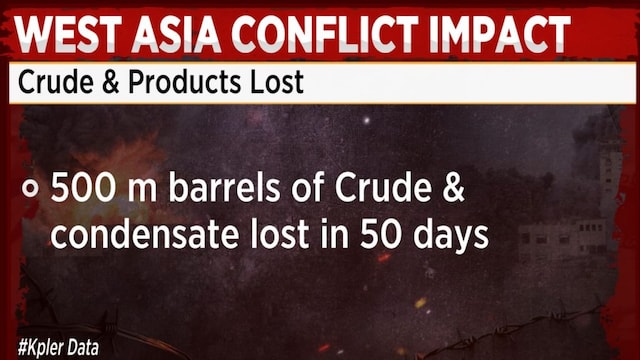
Sara Vakhshouri, Founder & President of SVB Energy International, highlighted this divergence, saying, “The oil that today is traded in a physical barrel is sold at a premium of between $20 to $50 per barrel, which means we are having a severe shortage of oil.”
She noted that while the physical market reflects tight supply conditions, the paper market is reacting more cautiously. “The benchmarks in a stock market, on a paper market, are much lower than the oil traded at the physical market,” she said, pointing to a historical level of backwardation between the two.
Watch the full conversation here
Physical oil refers to actual barrels of crude that are bought, sold, and delivered in the real world, unlike “paper oil,” which is traded through financial contracts such as futures. While paper markets reflect expectations and sentiment, physical oil prices are driven by real-time supply and demand conditions. So, when physical oil trades at a premium, it indicates that buyers are willing to pay more to secure immediate supply, often signalling tight availability even if benchmark prices do not fully reflect it.
Also Read | Crude oil prices may stay at $90–100/bbl even if Iran conflict eases: ING’s James Knightley
According to Vakhshouri, this divergence is being driven by expectations that supply disruptions may ease. She explained that markets are factoring in ongoing diplomatic efforts and inventory buffers, which are tempering price reactions despite the tightness in actual supply.
Looking ahead, oil prices remain highly sensitive to geopolitical developments. She said, “If the talks result… and Iran has reached some sort of peace agreement… you are going to have prices reducing way below $90,” indicating that any resolution could trigger a sharp correction in prices. At the same time, if disruptions persist, prices are likely to remain elevated within the current range.
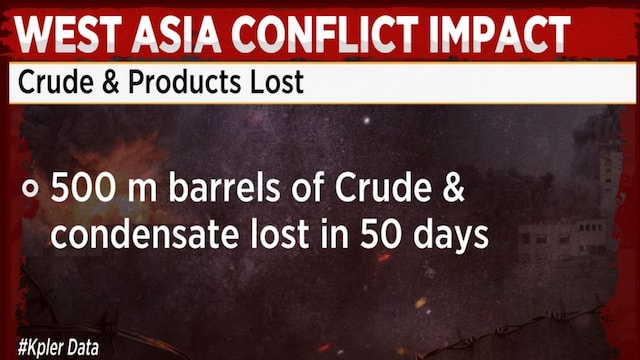
Vakhshouri emphasised that volatility is set to remain a defining feature of the market. “This war is going to cause volatility. So, volatility would be the norm until things resume permanently,” she said, adding that the duration of disruptions, particularly around key routes like the Strait of Hormuz, will be critical.
Also Watch | Markets jittery as oil swings 10-15% on fresh US-Iran tensions
Beyond the near term, she pointed to deeper structural shifts underway in the global energy landscape. The crisis is forcing producers and consumers alike to rethink supply chains, with a greater focus on diversification of export routes, logistics, and energy sources. Countries are also likely to build higher inventories and explore alternative energy options as part of a broader push towards energy security.
Catch all the latest updates from the stock market here