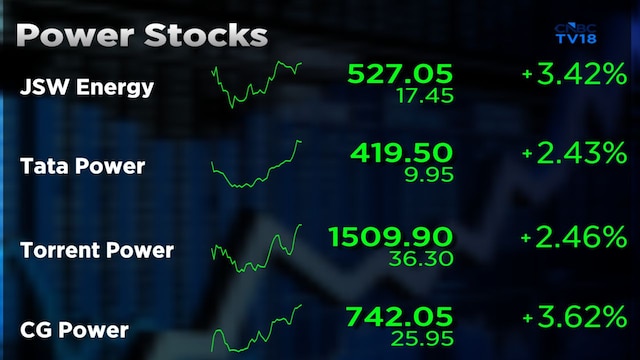
“The power sector overall, and not just renewables, presents a safe haven of sorts, if risk off prevails and the US-Iran conflict prolongs,” he said.
While solar capacity has seen a sharp jump with record additions, he said it is likely to become an oversupplied market over the next 3-4 years if demand does not keep pace.
Kishore said India’s strong energy base adds to the resilience of the power sector. The country has the second-largest coal reserves globally, which allows it to increase coal-based generation whenever needed, especially if gas-based power output falls.
Demand is expected to recover, helped by a favourable base and improving economic activity. “We should clock about 6% power demand growth in FY27,” he added.
Gas contributes only about 2% to India’s total power consumption, making the system less vulnerable to disruptions.
Watch accompanying video for more
FY26 saw a record addition in renewables capacity. Around 45 GW of solar and 6 GW of wind capacity were added during the year, taking total capacity addition to nearly 57 GW, marking a 12% year-on-year increase.
India, he noted, has a long growth runway ahead, with a target to reach nearly 786 GW of renewable energy capacity by FY36, compared to the current installed base of around 225–230 GW, including large hydro and other non-fossil sources.
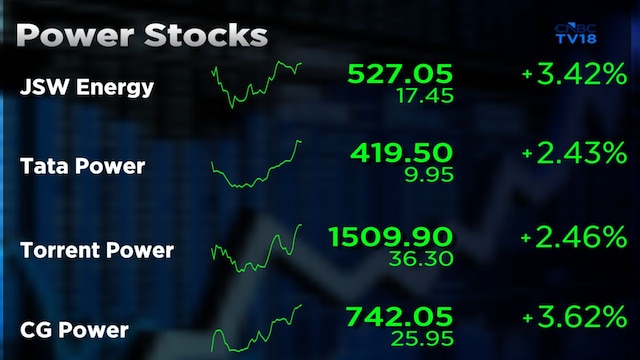
For investors with little or no exposure, Kishore suggests this could be a good time to look at the power space, but with a balanced view.
Large private players are expected to deliver steady earnings growth over the next few years, supported by capacity additions and improving utilisation. However, stock performance will ultimately depend on how demand shapes up.