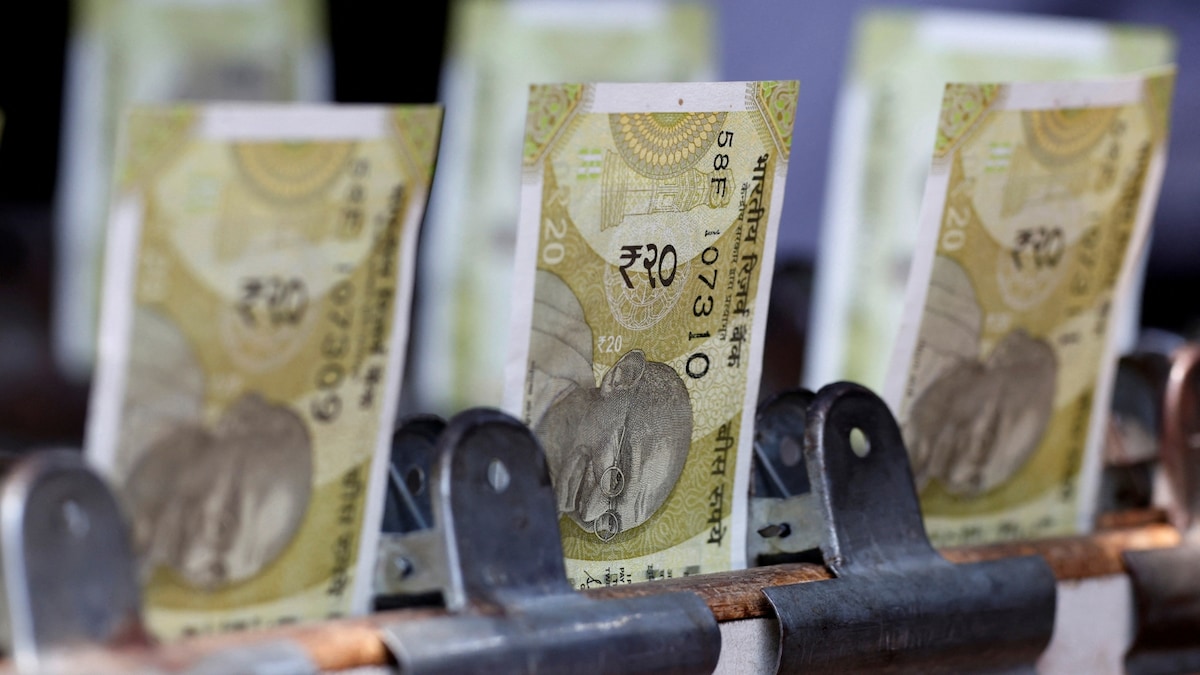
The currency had opened at a three-week high of ₹95.39, up 29 paise from Thursday’s close of ₹95.68. The rupee gained around 0.9% during the week, marking its strongest weekly performance in four months.
The recent rally has been underpinned by a broad decline in the dollar index, easing crude oil prices and continued intervention by the RBI in the foreign exchange market.
The central bank stepped up dollar sales last Friday (July 24) and has remained active in the market since then. Traders said the RBI’s actions suggest it is keen to prevent a sharp depreciation in the rupee from current levels.
A trader at a private sector bank said the RBI’s dollar sales near the ₹95.75-per-dollar level on Thursday signalled the central bank’s intent to cap further weakness in the currency.
The rupee has also outperformed other oil-sensitive Asian currencies, including the Indonesian rupiah and Philippine peso, this week, largely due to the RBI’s intervention.
Analysts, however, cautioned that the scope for further appreciation may be limited unless crude oil prices remain subdued. As India imports the bulk of its crude oil requirements, any sustained increase in global oil prices could boost demand for dollars and put renewed pressure on the rupee.The currency has also benefited from broad-based weakness in the US dollar, which has come under pressure amid expectations of possible currency intervention in Japan and shifting market expectations around the US Federal Reserve’s monetary policy.
Meanwhile, crude oil prices extended losses in Asian trade as investors assessed developments surrounding a Saudi Arabia-led maritime coalition aimed at strengthening security cooperation in the Red Sea. Oil markets, however, remain volatile amid renewed tensions between the US and Iran, leaving energy prices—and by extension, the rupee—vulnerable to fresh swings.