
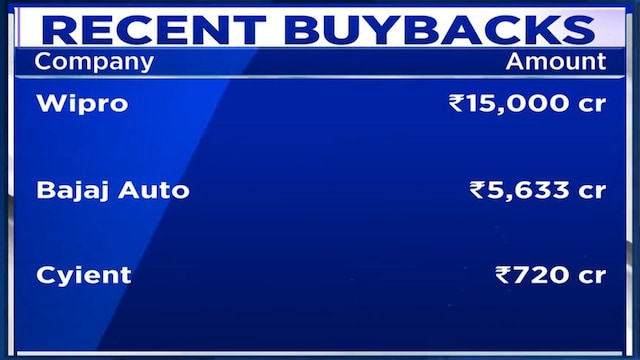
The experts said the move could encourage buyback activity among cash-generating companies with limited capital expenditure requirements, particularly in sectors such as information technology. They expect companies to use the route when they believe their stock is trading below its long-term value.
Mitul Shah said the open-market mechanism allows companies to purchase shares over 66 days, helping absorb selling pressure and support stock performance while potentially lowering acquisition costs compared with tender-route buybacks. He also noted that changes in taxation have improved the attractiveness of buybacks for investors.
Bhavesh Shah said the regulator‘s decision addresses concerns that previously led to the route being phased out. According to him, buybacks can serve as a signal of management confidence in a company’s long-term prospects while improving earnings per share.
The experts noted that tender offers provide greater visibility on pricing, while open-market buybacks offer investors the ability to exit through regular market transactions without being subject to proportionate acceptance.
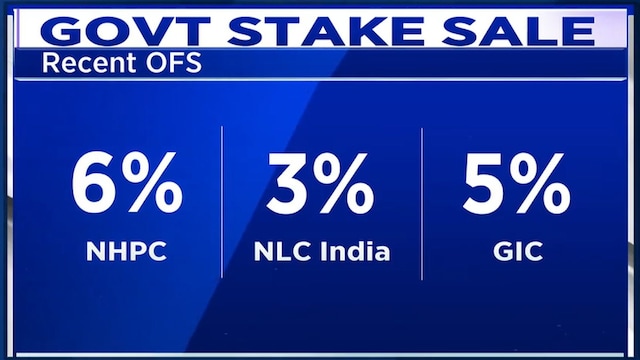
The move comes at a time when Indian markets are witnessing strong equity issuance activity through IPOs, QIPs and offer-for-sale transactions, adding another capital-allocation option for listed companies.
For the full interview, watch the accompanying video

Catch all the latest updates from the stock market here
(Edited by : Sriram Iyer)