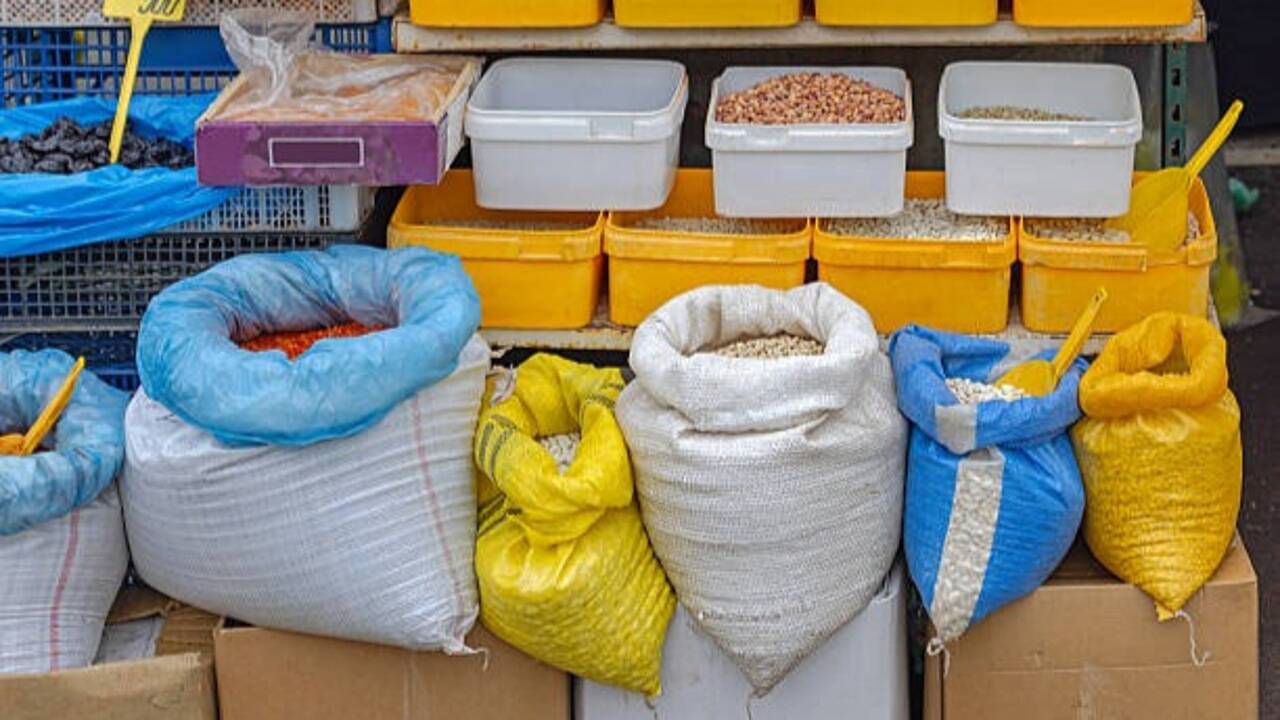
A freshly bought 10 kg sack of rice or a fat bag of atta has a way of instantly making even a reasonably organised kitchen feel cramped, sitting awkwardly on the floor or balanced in a corner until someone trips over it. Buying in bulk makes genuine financial sense for most Indian households, but it also creates a real storage puzzle in kitchens that were never designed with 25kg sacks in mind. The good news is that where and how you store these staples matters just as much for freshness and pest control as it does for simply freeing up space. Here’s how to actually get it right.
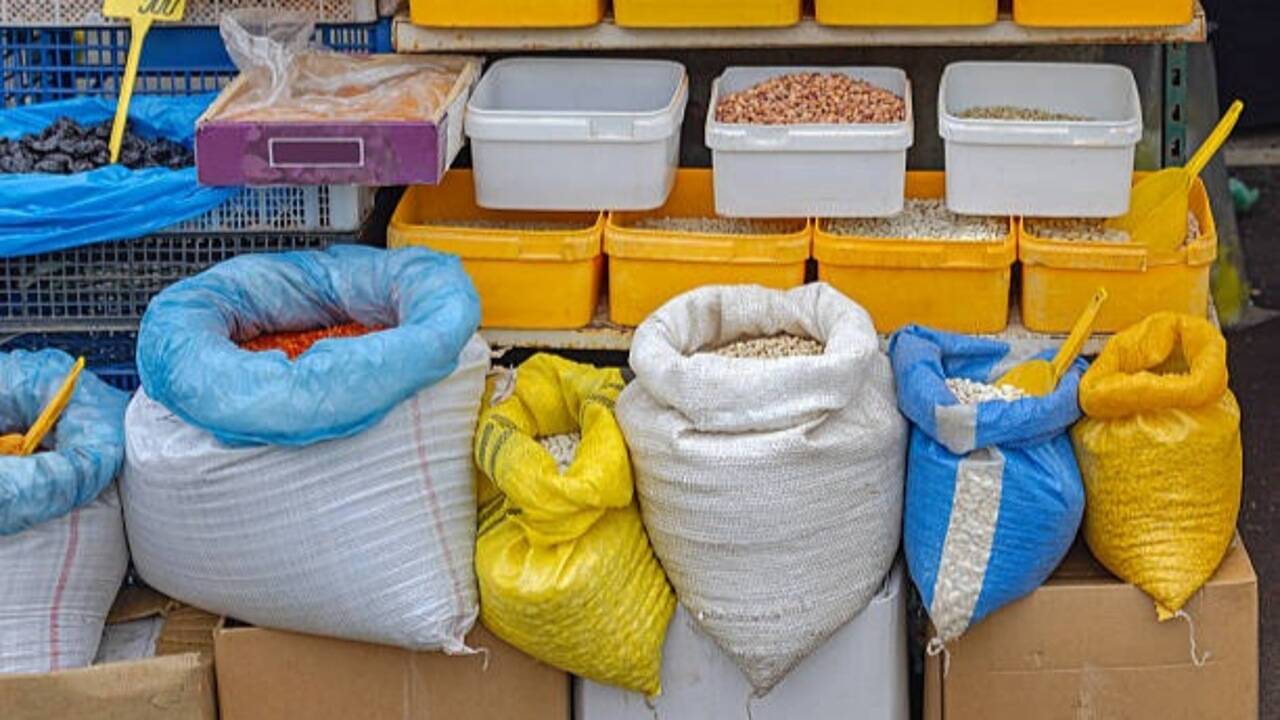
Decant into airtight containers the same day
This single habit does more for both space and food safety than almost anything else on this list. Every day rice, dal, or atta sits in its original open bag, it absorbs ambient moisture and becomes more accessible to weevils and flour beetles looking for an easy meal. Transferring bulk purchases into proper airtight containers the same day you bring them home stops that clock before it starts, and it’s worth being specific about “airtight” here too, a steel dabba without a rubber gasket seal isn’t genuinely sealed, no matter how solid the lid looks.

Waist-height shelves, never the floor
Where a container actually sits matters as much as the container itself. Grain and flour storage should sit on a shelf at roughly waist height, never directly on the kitchen floor, since moisture rises from the ground and floor-level storage is far more exposed to ants and dampness, particularly in ground-floor flats. It’s worth avoiding the very top shelves near the ceiling too, since heat naturally rises and collects there, which speeds up insect activity inside a container faster than a cooler, mid-level shelf would.
Keep bulk sacks away from the stove and outer walls
Heat and moisture are the two biggest enemies of bulk-stored grain, which makes placement around a kitchen’s specific hotspots genuinely important. Keeping large containers away from direct proximity to the stove, oven, or a wall that catches strong afternoon sun helps prevent the kind of heat exposure that accelerates pest breeding inside sealed containers. Shelves built against an external wall are worth a second look too, especially through monsoon, since moisture can gradually seep through from outside even when a container itself is properly sealed.
The two-container system for daily use
This is a genuinely practical fix for the small-kitchen-plus-bulk-buying combination specifically. Rather than repeatedly opening a full 10kg sealed container every single day, which lets moisture and warm air in with every single use, fill a smaller daily-use jar with just a week’s worth of rice or atta, roughly a kilogram or two, and keep it within easy reach near your actual cooking area. The larger bulk container stays sealed in its more protected storage spot, only opened about once a week to top up the smaller jar.
Deep base cabinets and pull-out baskets
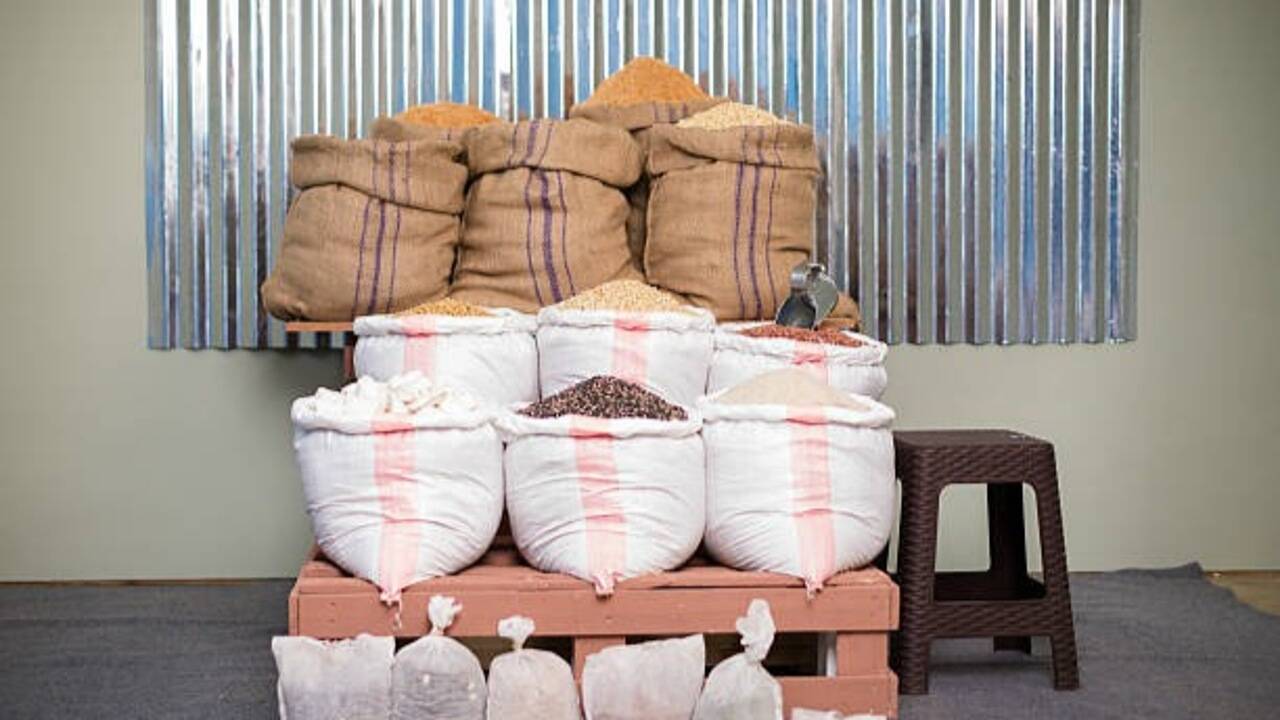
For genuinely heavy sacks that are awkward to lift onto a shelf at all, the deep cabinets beneath your kitchen counter are usually the most practical home. A pull-out wire basket or drawer fitted to one of these lower cabinets lets a full sack sit securely without needing to be hoisted upward, and pulling the basket toward you rather than crouching and reaching into a fixed cabinet makes accessing a heavy bag considerably easier on a daily basis.
The traditional trick worth reviving
Long before airtight plastic containers existed, Indian households already had a reliable, low-cost defence against grain pests. Placing five to ten clean, dry neem leaves at the bottom of a rice or dal container is a genuinely well-established practice, the natural compounds in neem help repel weevils and flour beetles without needing any chemical treatment. It’s a small, old-fashioned habit worth keeping alongside modern airtight containers rather than replacing entirely.
Small kitchen, genuinely organised bulk storage
None of this requires a full pantry room or expensive modular fittings, just the right combination of container type, placement, and a couple of small daily habits. Getting bulk groceries decanted, positioned at the right height, and kept away from heat and floor-level moisture solves most of the space and freshness problems a small kitchen throws up when a big sack of rice comes home.
Disclaimer:
This article is intended for general informational purposes only. Always use food-grade, BPA-free containers for storing groceries, and check stored bulk items periodically for signs of moisture, mould, or pest activity, discarding any affected food.