
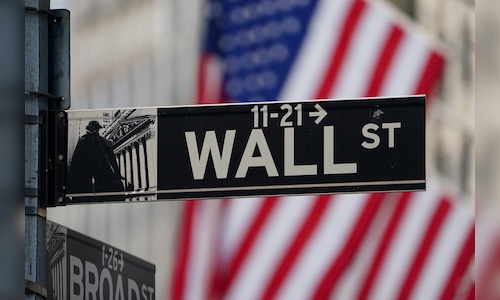
The S&P 500 advanced 0.8% to close at a record high, while the Nasdaq Composite surged 1.7% to its own all-time peak, aided by strong gains in technology stocks. The Dow Jones Industrial Average ended largely flat, adding 12.19 points, or 0.02%, to settle at 49,609.16.
All three benchmark indices ended the week in positive territory, supported by upbeat corporate earnings and improving risk sentiment.
The Nasdaq climbed 4.5% for the week, while the S&P 500 gained 2.3%, with both indices posting their sixth consecutive weekly advance, their longest winning streak since 2024. The Dow underperformed comparatively, ending the week up 0.2%.
Investor sentiment received a boost after data from the US Bureau of Labor Statistics showed nonfarm payrolls increased by 115,000 in April, comfortably ahead of Dow Jones estimates of 55,000 additions. The unemployment rate remained unchanged at 4.3%, matching expectations.
The stronger labour market data offset concerns stemming from weaker consumer sentiment readings, which showed confidence falling to another record low amid worries over inflation and personal finances.
Meanwhile, oil prices edged higher as tensions between the US and Iran remained elevated following reported exchanges of fire in the Strait of Hormuz. West Texas Intermediate crude futures rose 0.64% to settle at $95.42 per barrel.
The US Central Command said American military forces intercepted Iranian attacks and responded with defensive strikes during the transit of US Navy destroyers through the strategic waterway.
US President Donald Trump said there was “no damage done” to the destroyers and described the retaliatory strikes as “just a love tap,” while reiterating that the ceasefire remained in effect.
Markets are now awaiting clarity on Iran’s response to a US proposal aimed at easing tensions in the Middle East. US Secretary of State Marco Rubio said Washington expects to receive an update soon on the ongoing diplomatic efforts.