Indian equity benchmarks ended their five-session winning streak on Friday, June 20, as heavy selling in information technology stocks weighed on market sentiment. The decline came after global IT services major Accenture lowered its revenue growth outlook, triggering concerns across the sector. Weak global cues, renewed foreign investor selling and lingering geopolitical uncertainty further added to the pressure.
The BSE Sensex settled 607 points lower at 76802.90, while the NSE Nifty 50 lost 154.90 points to close at 24013.10.
During the session, the sell-off intensified, with the Sensex plunging more than 900 points and slipping below the 76500 mark. The Nifty also dropped over 200 points, briefly falling under 23950. The correction followed a strong rally that had pushed benchmark indices nearly 5 per cent higher over the previous five trading sessions.
Stock Market Outlook
Market participants are expected to closely track geopolitical developments in the coming week, particularly the ongoing diplomatic efforts between the United States and Iran.
According to Ponmudi R, CEO of Enrich Money, reports suggesting that US and Iranian officials are preparing to resume discussions in Switzerland have rekindled hopes of a broader peace agreement in the Middle East. The implementation of the Israel-Lebanon ceasefire has further improved sentiment. Any positive progress on the diplomatic front could support global risk appetite and influence market direction.
Five Key Triggers for the Indian Stock Market This Week
1. US-Iran Peace Negotiations
- Fresh talks aimed at achieving a long-term ceasefire between the US and Iran are expected to begin in Switzerland. Senior US officials, including Vice President JD Vance, are likely to participate in the discussions.
- The negotiations come despite Iran’s renewed stance on restricting access through the Strait of Hormuz. The latest diplomatic efforts follow regional tensions involving Israel and the Iran-backed Hezbollah group in southern Lebanon, which had previously delayed negotiations. The talks are taking place under a 60-day framework established through an agreement signed by US President Donald Trump during a visit to Paris earlier this week.
2. Crude Oil Prices
- Oil prices will remain a major focus area for investors. Brent crude edged higher on Friday but was still set for a weekly decline of nearly 8 per cent as fears of supply disruptions eased following the ceasefire between Israel and Hezbollah.
- Brent crude futures rose 66 cents to $80.38 per barrel, while US West Texas Intermediate crude gained 94 cents to USD 77.54 per barrel. Despite the uptick, crude prices remained significantly below the levels seen a week ago, reflecting a reduction in geopolitical risk premiums.
- However, markets continue to monitor developments around the Strait of Hormuz, a critical global shipping route for crude oil. Any disruption could once again push prices higher and impact market sentiment.
3. Foreign Institutional Investor Activity
- Foreign institutional investors (FIIs) have remained net sellers in Indian equities through the first half of June, continuing a trend seen over the past several months.
- FIIs withdrew Rs 40486 crore from Indian stocks during the period, following outflows of Rs 46888 crore in May and Rs 49,034 crore in April. So far in 2026, foreign investors have sold shares worth more than Rs 2.74 lakh crore.
- Financial stocks have witnessed the highest selling pressure, with FIIs pulling out Rs 11263 crore from the sector during the first half of June.
- However, Pabitro Mukherjee, Deputy Vice President, Research at Bajaj Broking, noted that FIIs turned net buyers during the latest week, investing Rs 3386 crore. Buying activity was concentrated on alternate trading sessions, with a particularly strong inflow on Friday, aided by passive fund adjustments linked to the FTSE quarterly rebalancing.
4. Rupee-Dollar Movement
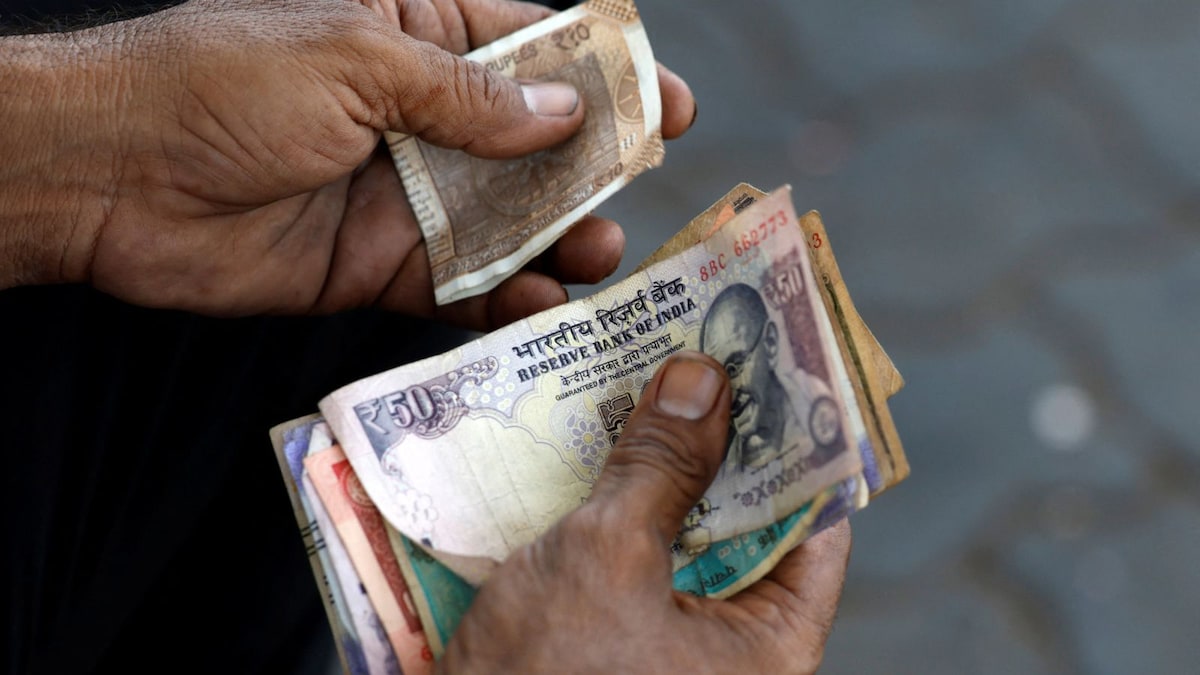
- The Indian rupee ended Friday 7 paise stronger at 94.33 against the US dollar, although it surrendered a significant portion of its early gains due to a stronger dollar index and rising crude oil prices.
- Market participants said optimism surrounding India-US trade discussions helped support the domestic currency. During the day, the rupee traded in a range of 94.20 to 94.52 against the greenback.
- Ponmudi R said the USD/INR pair has broken below its recent trading range and long-term trendline support, indicating a bearish outlook for the dollar against the rupee. Technical indicators suggest that the rupee could remain relatively strong in the near term.
5. Gold Prices
- Gold prices have come under pressure after the US Federal Reserve signalled the possibility of higher interest rates in 2026. Expectations of tighter monetary policy have strengthened the US dollar and reduced the appeal of non-yielding assets such as gold.
- Jateen Trivedi, Vice President – Research (Commodity and Currency) at LKP Securities, said COMEX Gold has fallen sharply from around $4,375 to USD 4150, while MCX Gold has declined from nearly Rs 1,54,000 to Rs 1,47,200 in recent sessions.
- According to Trivedi, interest rate expectations remain the primary factor influencing gold prices, although geopolitical developments could continue to create short-term volatility. He expects Rs 1,45,000 to act as a key support level for MCX Gold, while Rs 1,51,500 may serve as an immediate resistance zone.
- With global geopolitical developments, crude oil prices, foreign fund flows, currency movements and precious metal trends all in focus, investors are likely to witness heightened market volatility in the week ahead.