
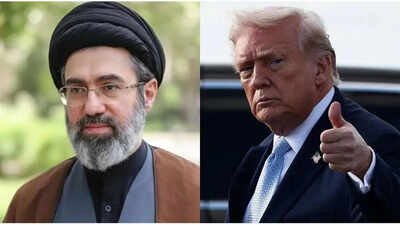
The US and Iran have tentatively agreed on a memorandum of understanding that would reopen the Strait of Hormuz and pause fighting for 60 days, but the deal still needs final approval from Iran’s supreme leader, according to officials cited by Axios.President Donald Trump announced today that a “great settlement” was close, cancelling planned strikes and predicting a signing ceremony in Europe over the weekend or next week. Vice President JD Vance is expected to represent the US, with four C-17 military transport planes already heading to Europe for possible travel to Geneva.But Iran’s foreign ministry has pushed back, saying no final decision has been reached. The semi-official Fars News Agency, affiliated with the Revolutionary Guards, quoted an unnamed source close to the negotiation team denying that any preliminary text has been approved.
What the MOU would do
The proposed agreement, to be called the “Islamabad agreement” after the mediating nations Pakistan and Qatar, would reopen the Strait of Hormuz immediately without tolls. Shipping volumes would return to pre-war levels within 30 days, and the US blockade of Iranian ports would be lifted.Iran would commit to “never” acquiring a nuclear weapon. One option on the table would allow Tehran to down-blend its highly enriched uranium inside the country under UN supervision.The MOU would extend the current ceasefire for 60 days, including in Lebanon. During that window, both sides would negotiate a more permanent deal covering Iran’s nuclear program, missile production and support for regional proxies.Sanctions relief would be tied to compliance. The US wants to release frozen Iranian funds in tranches as Tehran meets its commitments. Iran wants a significant upfront payment, at least 50% of its frozen assets, immediately upon signing.
Israel caught off guard
Trump’s announcement surprised Israeli Prime Minister Benjamin Netanyahu, who was left in the dark and scrambled to gather information from allies close to the administration, a US source told Axios.Netanyahu’s office later released a carefully worded statement saying he “expressed his appreciation for President Trump’s commitment”, even though Israel is not a party to the talks.
A familiar pattern
The White House has declared a deal imminent 38 times over the past two months, only to watch negotiations collapse. This time, a diplomat from one of the mediating countries told Axios the text would likely stick.But key questions remain unanswered: How much of Iran’s nuclear program will be dismantled? Will Tehran be allowed to keep any enrichment capability? How will compliance be monitored? And what happens to Iran’s proxies in Lebanon, Yemen and Syria?Trump’s optimism aside, the deal still needs a signature from Supreme Leader Mojtaba Khamenei, who has not commented on the terms of the MOU yet.
Do you think concerns of Israel over the US-Iran agreement are justified?