JLR Trails Its Peers
JLR’s wholesale volumes fell 9.2% YoY to 79,288 units, but the sequential decline was more striking at 16.8%, making JLR the only company in the peer set to report a double-digit QoQ fall in volumes. Porsche volumes, in contrast, rose 5.8% QoQ, while BMW, Mercedes and Audi reported sequential growth. Revenue followed the same trend.
JLR’s revenue declined 9.6% YoY to €5.97 billion and 13.1% QoQ. This compares with sequential revenue growth of 5.4% for Porsche, 5.8% for Audi and 1.3% for Mercedes, while BMW was broadly flat.
The biggest weakness was profitability. JLR’s EBIT fell 35.4% YoY and a massive 73.4% QoQ to €168 million. EBIT margin fell to just 2.8% from 9.2% in Q4, leaving JLR ahead of only BMW’s 2.3% margin. Porsche, meanwhile, delivered an 8.9% margin, Mercedes 5% and Audi 3.6%. JLR’s EBIT per vehicle also fell 28.9% YoY to €2,119 and 68% QoQ, despite net realisation per vehicle remaining broadly stable YoY.
Road Ahead For JLR
This points to significant pressure on underlying profitability. JLR has attributed the Q1 volume weakness to temporary supply constraints, Middle East disruption and the planned wind-down of outgoing Jaguar models ahead of the new Jaguar launch. Its premium mix remains strong, with Range Rover, Range Rover Sport and Defender accounting for 80.8% of wholesale volumes.
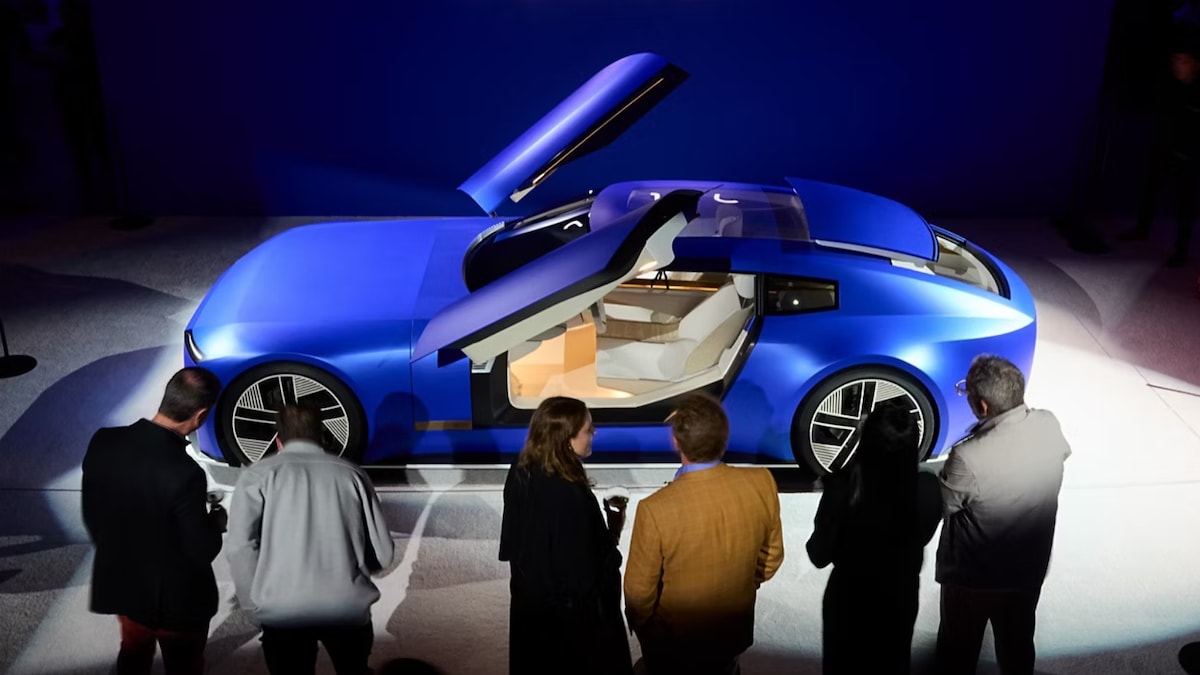
Importantly, JLR is sticking to its FY27 guidance, targeting around £26 billion revenue, 4% EBIT margin and breakeven free cash flow. The company is banking on a major product cycle, including Range Rover Electric, Range Rover Sport Electric, Jaguar Type 01 and new Range Rover-family models on the EMA platform.
For JLR, therefore, the key challenge is clear: convert the upcoming launches into volume recovery and margin expansion quickly enough to deliver its FY27 targets.