
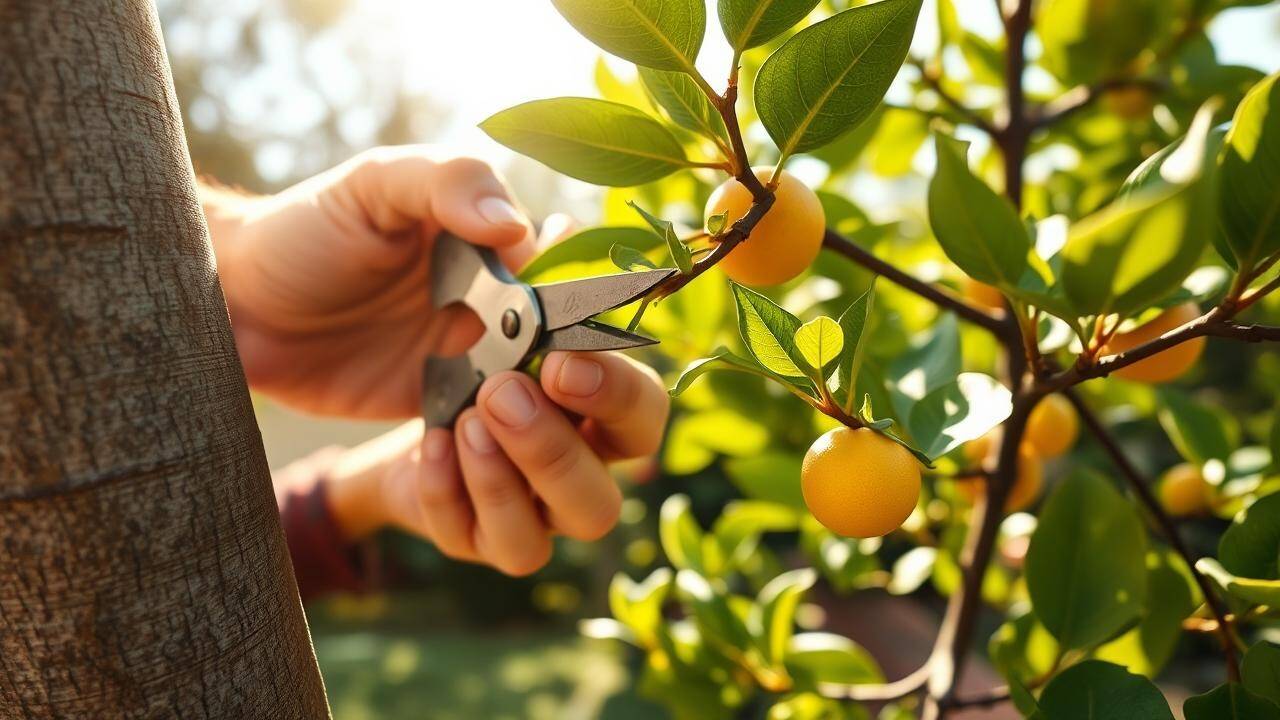
The lemon tree in April is an exceptional sight to behold. With the dawn gradually warming the air, these evergreen behemoths spring into action after spending the whole winter in a dormant state. Shoots that appear purple emerge, and fragrant blooms with an almost overwhelming aroma blossom forth. For those gardening or managing orchards, April marks the season of distinction between trees and fruit trees.The choices you make during this early spring period will define the whole growing season for your fruit trees. While fruit trees might seem to be totally self-reliant organisms, today’s lemon tree can definitely be regarded as overachieving – and that means some careful attention and proper treatment are necessary. By syncing your schedule with the tree’s biological rhythm, your small green buds will grow up into excellent, high-grade lemons come harvesting time.Nutrition for big lemonsAs an athletic person knows about the importance of their specific nutrition regimen while training hard, your lemon tree, undergoing vigorous development in April, requires its own unique nutrient supplement. Most gardeners usually go with a one-size-fits-all approach and use a general fertiliser; however, it takes much more effort to nourish a lemon tree.A significant seven-year study published in the journal Scientia Horticulturae highlights exactly what is happening under the soil. The researchers found that while nitrogen is important for green growth, potassium is the true secret to fruit size. In their long-term trials, they discovered that as potassium rates increased, the fruit became significantly larger and more marketable. However, they also warned that too much nitrogen can actually backfire, leading to smaller fruit and a lower quality peel.
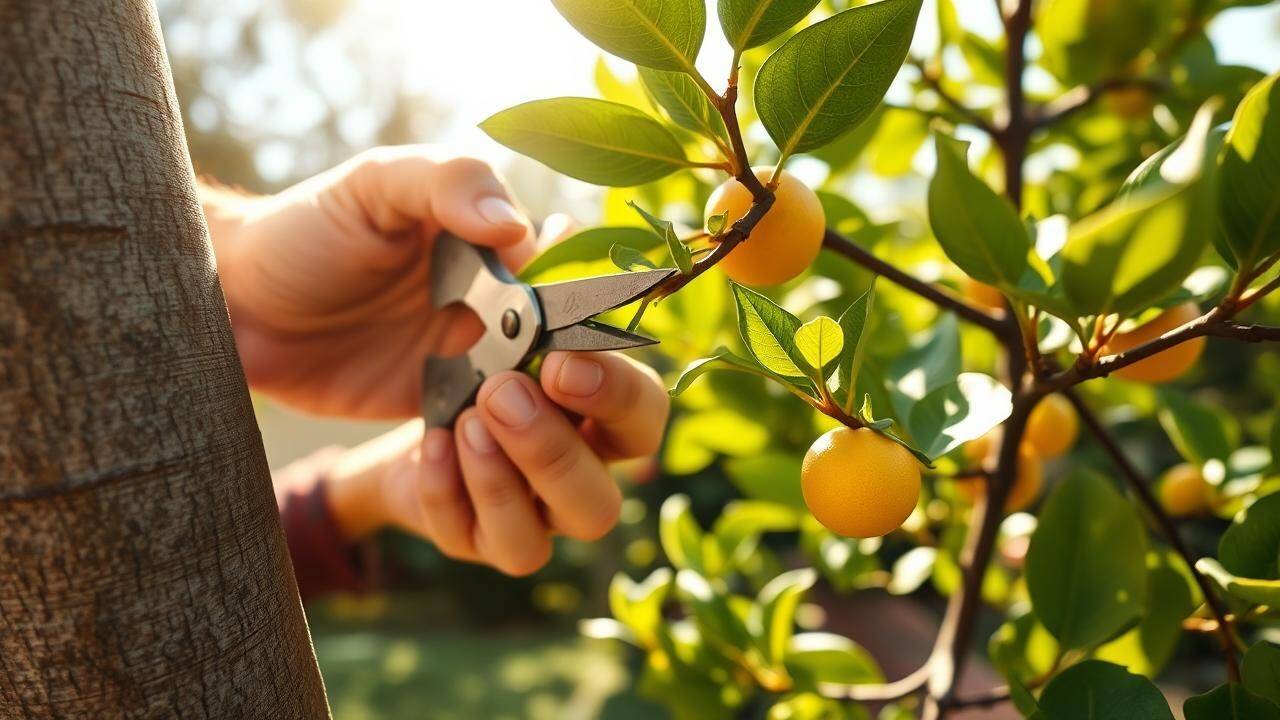
Strategic pruning, removing weak shoots and opening the canopy, enhances sunlight and air circulation, preventing disease and improving fruit distribution. This early spring attention ensures a bountiful harvest.
In April, however, balance your nutrients. As revealed by the study, it is best to maintain the balanced levels of nitrogen, phosphorus, and potassium because doing so will ease the adjustment process of the lemon tree, which prevents nutrient burn, leafy growth, and the depletion of energy from producing fruits. Feeding it with a balanced citrus fertiliser at present will give your tree the minerals necessary for the development of the fruit peels and the juice vesicles before summer arrives.The art of the strategic cutWhile fertilisation acts like the gas pedal of the car, pruning acts as its steering wheel. Without pruning, the lemon tree will develop into a chaotic and compact thicket where moisture accumulates and hides the fruit from sunshine. While this might not be aesthetically pleasing, it can actually lead to serious health problems.Research found in the Citrus Pruning in the Mediterranean Climate: A Review, emphasises that April is the prime window for shaping your tree. Because the tree is just beginning its spring flush, pruning now stimulates vigour and encourages the growth of the lateral shoots that will bear next year’s fruit. The review notes that keeping the canopy open is essential for light penetration and air circulation, which naturally suppresses common citrus diseases like scab and melanose.The key is to be “selectively aggressive.” You want to remove the weak, spindly “water sprouts” that shoot straight up from the centre of the tree, as these suck away energy without producing fruit. By thinning out the interior, you allow sunlight to reach the inner branches, which leads to a more even distribution of fruit rather than having it all clustered on the outer edges. The above-mentioned review also suggests that this open structure makes it much easier for you to spot pests early, ensuring your tree remains healthy through the long summer months.In the end, what April care involves is making yourself resilient at the very basic level. Combining the potassium boost through NPK fertiliser research and the controlled thinning according to Mediterranean pruning research can provide your lemon trees with the best chance they could get. Little work this month will give you greater results with greater yield and even better quality.