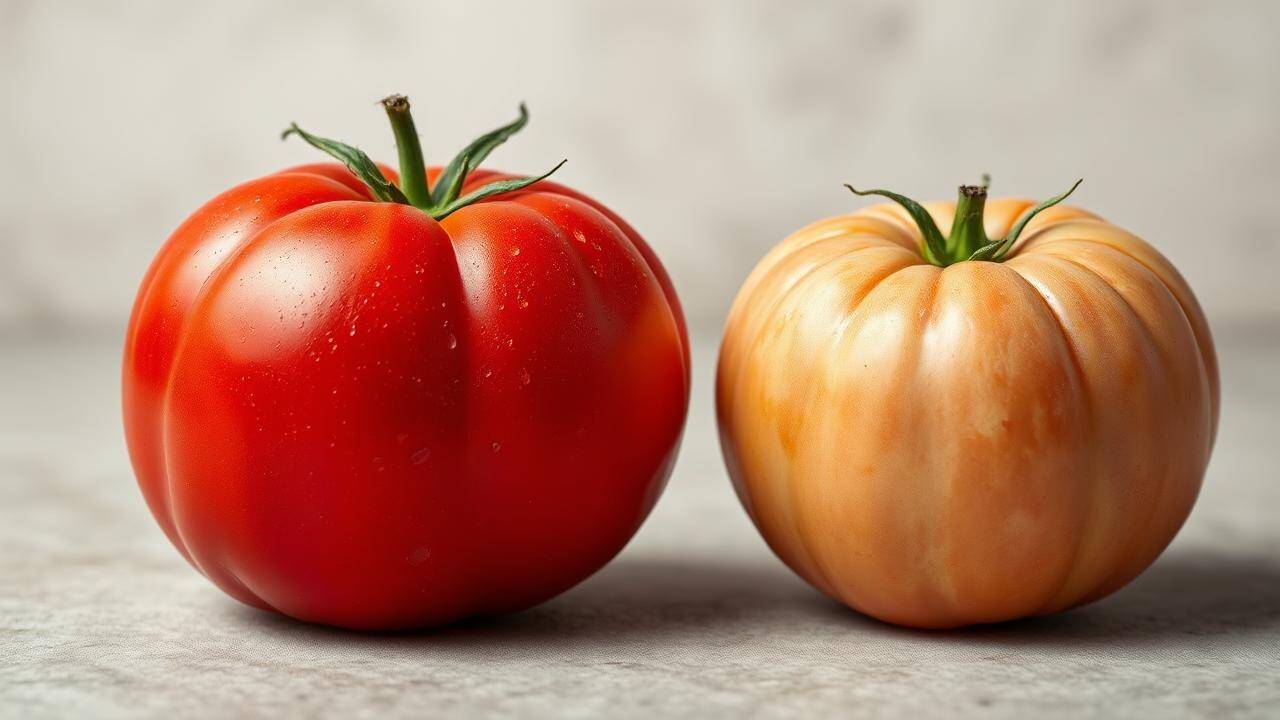
There’s a certain disappointment in taking a big bite out of a beautifully red tomato that lacks any taste whatsoever. While it appears perfect on the exterior, the interior seems mealy and flavourless, devoid of the sun-kissed, just-picked freshness that a true tomato should have. We tend to blame the supermarket or the dirt, but the truth may be right under our noses, literally in the kitchen. Our natural inclination is to place our fruits and vegetables in the refrigerator immediately after purchasing them to prevent spoilage, but for tomatoes, the crisper drawer serves as a tomb for their flavour.Refrigerating tomatoes can be likened to muzzling a vibrant orchestra to hushed murmurs. They might look like they’re still fresh, but they have been interfered with during their maturing period, and their taste will no longer be sweet. It’s not all myths; there is scientific proof about it.Science behind loss of flavourIt may be true that a tomato’s flavour is not solely based on sugar or acid content; it lies in the volatile compounds that produce a unique aroma when consumed. Refrigeration causes production of those flavours to cease, according to scientific findings. What makes the situation even more frustrating is the fact that the effects are usually there to stay. It was found that despite being returned to room temperature to give them enough time to recover, the tomatoes still did not regain their full flavour profile. Cold temperatures cause irreversible damage to the chemicals found in the fruit. Another paper titled Temperature-induced changes of flavor and odour-active compounds of tomato discusses how chilling causes the imbalance of odour compounds, twenty-one in number, which results in the fruit becoming insipid and watery in taste.Maintaining Texture and Garden-Fresh FlavourTexture also suffers when you store tomatoes in the refrigerator. These are tropical plants and thus do not fare well under the adverse conditions brought about by a chill injury of 4°C. The texture becomes mealy due to cellular membranes rupturing at the low temperatures.The timing of your harvest also plays a massive role in how a tomato handles the cold. In a study published by the journal foods, researchers observed that tomatoes picked before they are fully ripe are even more sensitive to cold damage. If you put a slightly green tomato in the fridge, you aren’t just slowing down the ripening process; you are essentially stopping it in its tracks, ensuring it will never reach its true flavour potential.
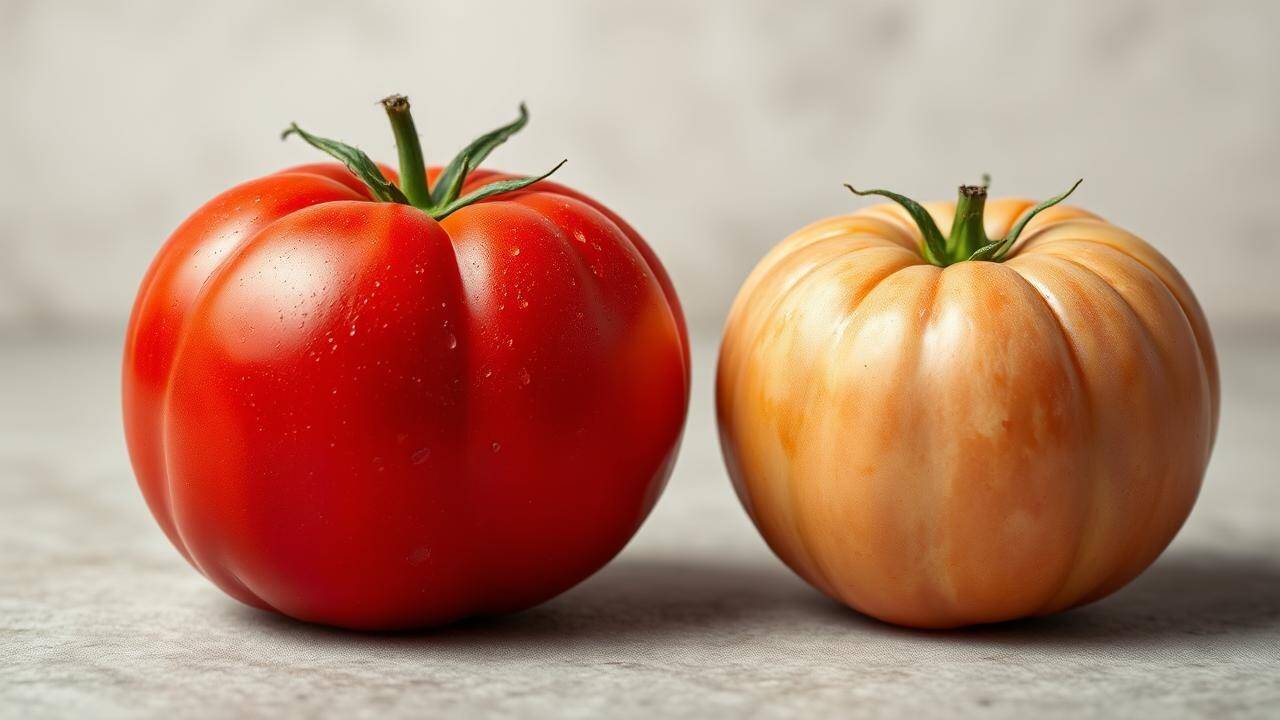
For optimal flavour, keep tomatoes at room temperature, away from direct sunlight. Overripe tomatoes are best used for sauces or frozen for later use.
For the best DIY results at home, treat your tomatoes like a fine wine rather than a carton of milk. Keep them on the counter, away from direct sunlight, at a comfortable room temperature. If you have a large harvest from your garden, try to store them stem-side down in a single layer to prevent bruising.If your kitchen is filled with tomatoes that are far too ripe to consume but not yet suitable for composting, the best decision is to make tomato sauce out of them, or store them in the freezer for use in stew later on. You preserve the unique taste of the tomato by respecting its ideal temperature range. The next time you reach for that refrigerator door handle, you’ll know that the counter is where the truly superior tomato resides.