
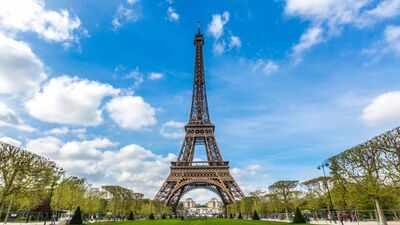
The Eiffel Tower, over the years, has become the backdrop to numerous kinds of expressions of love, from romantic proposals to marry to post marriage background for honeymoon pictures. It has also been the setting for iconic fashion and marketing campaigns with Paris being the centre for major luxury brands including Louis Vuitton, Chanel, Hermès, Christian Dior and others. However, the monument wasn’t originally planned as the symbol of Paris, which it is today. Rather, it was to be demolished after just 20 years of its construction. Dive into the history behind the landmark which saved Paris during world war 1 and how it was cleverly saved from demolition.
Initial purpose of the tower
The year was 1889, France was marking 100 years of the French Revolution. The legacy of the revolution was not limited to France itself, it invoked and inspired many national movements across the world. Thus, to mark the occasion, France wanted to indicate two things to the world. One, by building a thousand-feet tower they wanted to show the world that their industry is powerful enough to build something that no else could. And second, they wanted to depict the power of being a democracy, to show what free men can do. While the purpose was strong, the proposals were not accepted for a permanent monument.
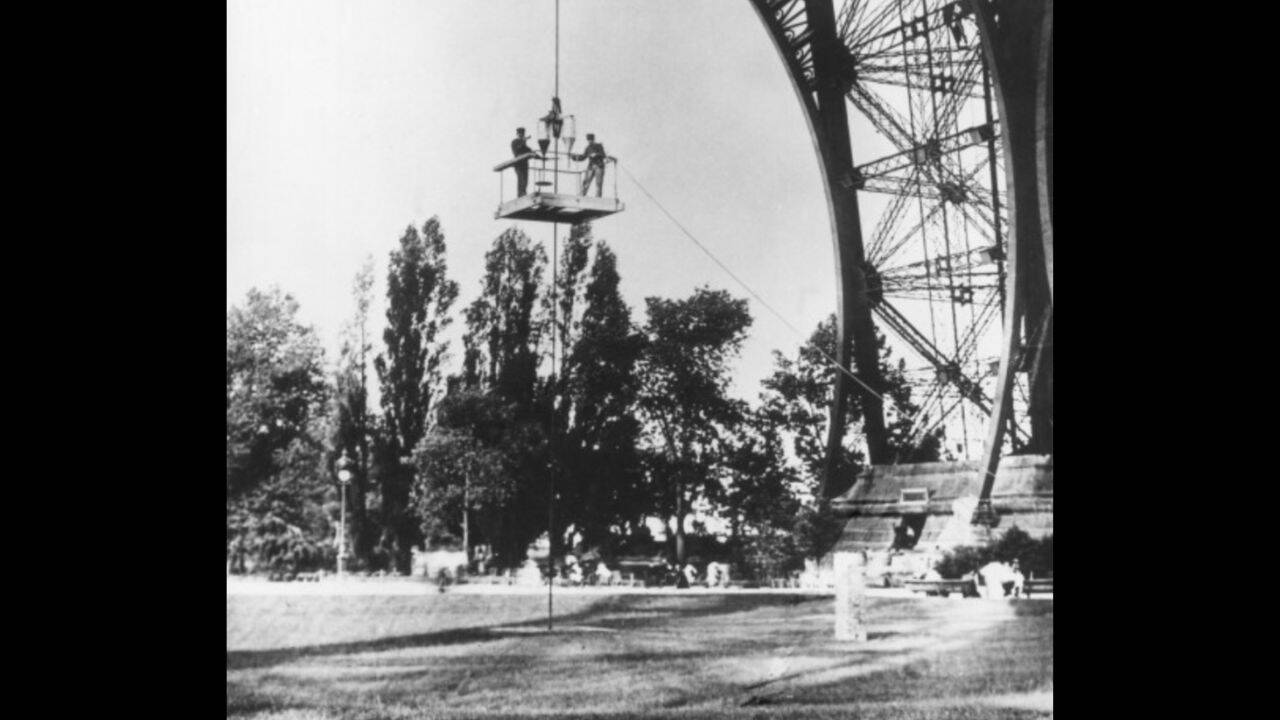
Construction of Eiffel Tower (Image Credit: toureiffel.paris )
The contest was opened where more than a 100 participants were going to propose designs. However, Eiffel was way ahead of everyone and had already prepared the plans. Within a few weeks, no one else could propose something feasible and his proposal was already seeming attractive. The decision of the jury was finalised when he also declared to pay more than two-thirds of the budget. Finally, he also had the team and the resources to actually build such an engineering masterpiece.
The making and the aftermath
The huge landmark took 32,500 drawings done by hand for architects and engineers working on the project. The construction of the tower was carefully managed by 52 engineers and 250 people. 18,000 pieces of metal were together to a 1,000 feet with 2.5 million rivets. And the Eiffel Tower was finally built in two years, two months, and five days. All this time, resources and efforts were supposed to be dismantled by 1909 as Gustave Eiffel was only granted a 20-year permit. The land was supposed to go back to the city. The Eiffel Tower was seen as mismatched in contrast to the modern Paris which was rebuilt between 1852 and 1870. There were petitions by artists to tear it down.
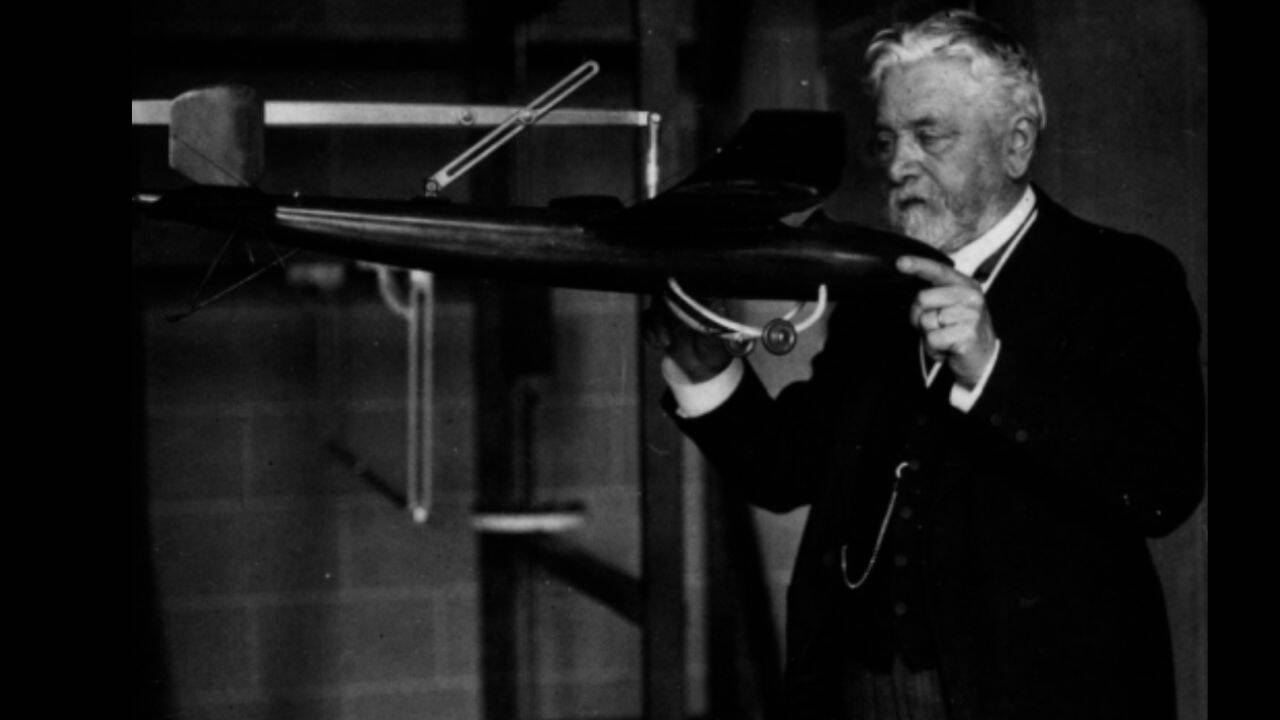
Gustave Eiffel (Image Credit: toureiffel.paris )
However, Eiffel had other plans. Eiffel responded with the 72 golden names of engineers, scientists, entrepreneurs that shaped the history of industrial France. Eiffel made the humungous tower a centre of various sciences at different times. The Eiffel Tower became focal for meteorological and astronomical observations, physics experiments, a strategic vantage point, an optical telegraph communications point, a beacon for electric lighting and wind studies.Gustave Eiffel stated, “It will be for everyone an observatory and a laboratory the likes of which has never before been available to science. It is the reason why, from day one, all of our scientists have encouraged me with their utmost sympathies.”
What finally saved it?
Radio. The symbol of love once was crucial to communication for the country. The very first wireless radio transmission in France was sent from the Eiffel Tower on November 5, 1898. The message was Morse code to the Panthéon, just 4km away. Radio held immense importance for military communication which made it too valuable to destroy. And finally, Paris extended Eiffel’s concession, not for another 20 years, but for 70 in 1910.
Best time to visit the Eiffel Tower
The best time to visit the Eiffel Tower is during spring (April to June) and autumn (September to October), when Paris enjoys pleasant weather, comfortable temperatures and fewer crowds than the peak summer months. If you want to make the most of your visit, arrive early in the morning, around opening time, or plan a late-evening trip when the crowds begin to thin and the city lights create a magical spectacle.The tower is generally open daily from 9:30 am to 11:45 pm, with extended hours until midnight during the summer season. Late June to early September is particularly busy, so booking tickets online well in advance is advisable, especially if you want to reach the summit.Winter visits can be wonderfully atmospheric and less crowded, although fog and poor visibility may occasionally hinder the panoramic views, making the second floor a worthwhile alternative.Reaching the tower is easy, with the Bir-Hakeim metro station (Line 6) and Trocadéro (Lines 6 and 9) among the most convenient stops, while the RER C’s Champ de Mars–Tour Eiffel station is another option.So next time you visit Paris, you will know more about the Eiffel Tower than its looks.