
Credit cards offer rewards, cashback and other perks, but easy access to credit can also lead to overspending. A few simple habits can help you contro…
 1/7
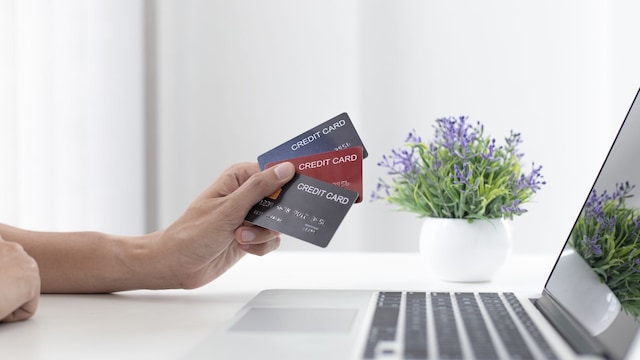
1/71. Limit the number of credit cards you use | Having multiple credit cards can give you access to different benefits, such as cashback on fuel or airport lounge access. However, managing several cards can also make it harder to track spending and payment dates. Ideally, choose a card that offers benefits suited to your regular expenses. If you use more than one card, consider keeping one as your primary card and using the others only for specific purchases where they offer additional benefits. (Image: Canva)
 2/7
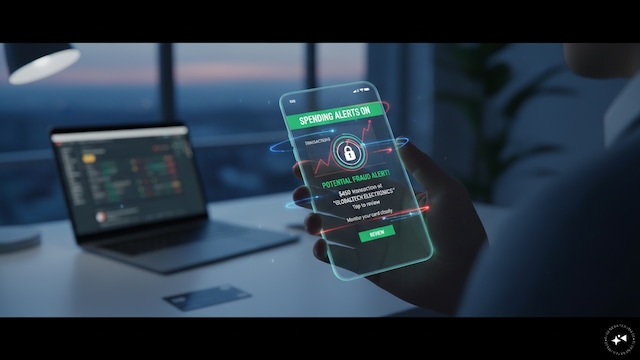
2/72. Set spending alerts | Spending alerts can help you keep track of transactions as they happen. You can set alerts based on a particular transaction amount or spending threshold, making it easier to identify when your expenses are approaching the limit you have set for yourself. Credit cards also commonly offer security alerts that can flag potentially suspicious transactions. Keeping these alerts active can help you monitor your card more closely. (Image: AI-Generated)
 3/7
3/73. Use your card for planned expenses | A credit card can make a purchase feel less immediate because the payment happens later. However, the amount still has to be repaid. One way to avoid unnecessary spending is to use your credit card for expenses you would have made anyway, regardless of the payment method. This can help you earn rewards without adding purchases simply because you have available credit. (Image: AI-Generated)
 4/7
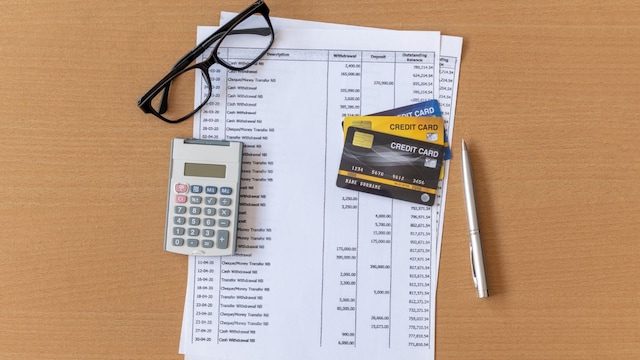
4/74. Pay your entire bill on time | Paying your credit card bill on time and in full can help keep interest charges and outstanding dues under control. Paying only the minimum amount due can leave a balance outstanding, which can increase the amount you eventually have to repay. Clearing the full bill by the due date can therefore help prevent unnecessary interest from accumulating. (Image: Canva)
 5/7
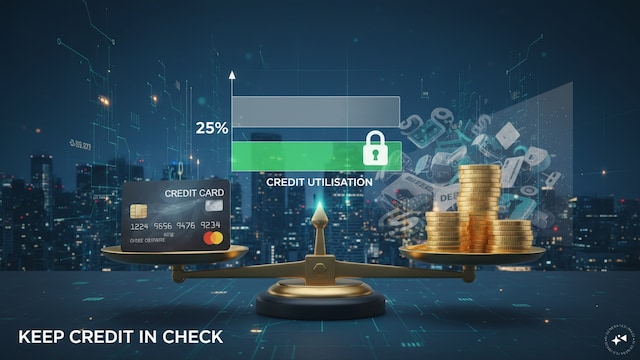
5/75. Keep credit utilisation in check | Credit utilisation refers to the portion of your available credit limit that you are using. A commonly followed guideline is to keep average utilisation around one-third of the available limit. The source recommends keeping utilisation within the 30-40% range, as higher utilisation can affect your credit score. Using a debit card for some purchases can also help keep credit card usage under control. (Image: AI-Generated)
 6/7
6/76. Make the most of your card benefits | Credit card rewards can help reduce the effective cost of purchases when used carefully. Check which of your cards offers better rewards for categories you regularly spend on, such as groceries, online purchases, travel or other everyday expenses. Using the appropriate card for eligible purchases can help you earn more reward points, cashback or other benefits without increasing your overall spending. (Image: AI-Generated)
 7/7
7/77. Keep your financial goals in mind | Unplanned spending can make it harder to stay on track with financial goals such as saving for a major purchase or building an emergency fund. Before making a purchase, ask yourself whether it fits within your budget and whether it could affect your longer-term plans. Taking a moment to consider the impact can help reduce impulse purchases. (Image: Canva)