
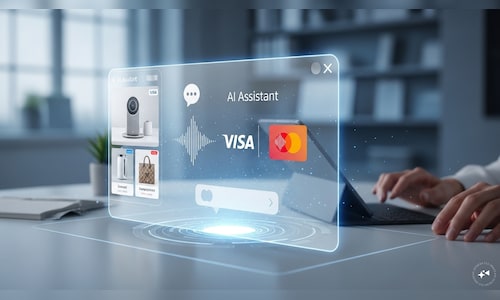
The collaboration will integrate Visa’s payment network into OpenAI’s AI experiences, enabling users to authorise AI assistants to search for products, compare options and complete transactions while operating within spending limits and approval controls set by the user.
The move comes as consumers use artificial intelligence tools to research products and services before making purchases. Visa and OpenAI aim to extend that experience by allowing AI agents to execute transactions while maintaining payment security and consumer oversight.
“AI will transform commerce more profoundly than the internet or mobile technology ever did,” said Jack Forestell, Chief Product and Strategy Officer at Visa.
“As AI agents become active participants in the economy, Visa’s aim is to ensure transactions are trusted, secure and seamless,” he said.
According to Visa, transactions initiated by AI agents will use tokenised payment credentials rather than exposing card details directly. The system will also incorporate real-time authorisation, fraud monitoring and user-defined controls such as spending limits, merchant category restrictions and approval requirements.
The companies said consumers will remain in control of purchases even when an AI agent is executing transactions on their behalf.
For consumers, the technology could eventually allow AI assistants to handle routine shopping tasks, compare prices across merchants, manage repeat purchases and complete transactions without requiring users to manually navigate websites or checkout pages.
OpenAI said the partnership is intended to create “secure, transparent and user-controlled” AI-driven transactions. “By integrating with Visa Intelligent Commerce, we’re building the infrastructure for secure, transparent and user-controlled agentic transactions,” said Marco Mahrus, Head of Partnerships, Commerce at OpenAI.
Beyond consumer shopping, Visa and OpenAI said they will explore payment capabilities for business workflows and developer tools, including OpenAI’s coding agent Codex. Potential applications could include procurement, invoicing, reconciliation and automated payment execution.
The announcement reflects growing efforts by payment companies to prepare for a future in which AI systems not only recommend products but also carry out transactions. However, widespread adoption is likely to depend on consumer trust, regulatory clarity and the effectiveness of safeguards designed to prevent unauthorised spending and fraud.
First Published: Jun 11, 2026 8:41 AM IST