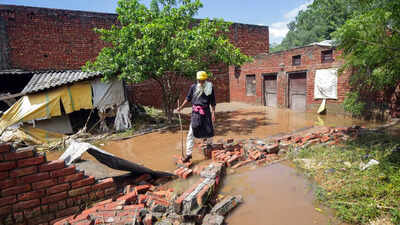
A natural disaster can shatter lives in an instant, reducing homes to rubble, destroying cherished belongings and forcing families to rebuild from scratch. For homeowners, the emotional and financial loss can be devastating. But tenants, too, are left facing a different kind of uncertainty once the immediate crisis has passed. Along with finding a safe place to stay, they are often confronted with pressing questions about rent, repairs, security deposits and whether they can continue or terminate the tenancy. The answers depend on clauses under the Transfer of Property Act, 1882, and state-specific regulations, including those adopted from the Model Tenancy Act, 2021, that lay down the rights and obligations for landlords and tenants during force majeure events.
Transfer of Property Act
The Transfer of Property Act 1882 is applicable across the country, except where overridden by special state rent control or tenancy legislation.According to Section 108(B)(e) of the act, in case any rented property becomes unfit for accommodation after being partially or completely destroyed because of force majeure events such as fire, flood, tempest (storm), violence of an army or mob, or any other irresistible force, the tenant may choose to treat the lease as void, provided the damage was not caused by their own wrongful act.However, this does not mean that the lease ends automatically, and it is up to the tenant to exercise this option. They are required to pay rent if they decide to continue with the tenancy.Notably, the provision applies only where the damage is substantial and permanent, as temporary or repairable damage does not terminate the tenancy.
Model Tenancy Act
In such a scenario, the Model Tenancy Act, 2021, provides greater protection to tenants affected by natural disasters.Currently, it is applicable in Uttar Pradesh, Andhra Pradesh, Tamil Nadu, and Assam.Under the act’s section 15(6), if the premises become uninhabitable due to a force majeure event, the landlord cannot charge rent until the property has been restored to a liveable condition. If the premises cannot be repaired or the landlord fails to restore them, they must refund the security deposit and any advance rent within 15 days after the notice period.However, deductions can be made from the return amount for any pending lawful liabilities of the tenant.Additionally, as per section 5(3), if a fixed-term rental agreement expires during a force majeure event, the landlord must allow the tenant to remain in the property for one month after the disaster ends, on the same terms and conditions, upon the tenant’s request. Usually, the landlord must give 24 hours’ notice before entering rented premises for repairs or inspection. However, this requirement does not apply during such natural calamity emergencies. While no law can undo the devastation caused by a natural disaster, these provisions aim to provide clarity when tenants are forced to deal with the legal and financial consequences of losing a home. Understanding these rights can help both tenants and landlords navigate an already difficult situation with greater certainty and avoid unnecessary disputes in the aftermath of a calamity.