The latest estimates for gold prices in 2026:
| Estimate from | Gold price per ounce in 2026 |
| JPMorgan | $6,000 |
| Goldman Sachs | $5,400 |
| MetalFocus | $5,000 |
| Deutsche Bank | $4,800 |
| HSBC | $4,750 |
| ING | $4,600 |
What is debasement trade?
A key trigger has been increased intervention in the US bond market. The US Treasury has stepped up liquidity-support bond buyback operations, a move that has helped ease market functioning but also added pressure on Treasury yields. Lower yields typically improve the appeal of non-interest-bearing assets such as gold.
Adding to the bullish sentiment, US Treasury Secretary Scott Bessent has signalled plans for a longer-term fiscal strategy, prompting investors to closely monitor the trajectory of government borrowing and spending. Concerns over fiscal sustainability have intensified as US national debt levels move closer to the $40 trillion mark.
At the same time, geopolitical risks have resurfaced as a major supporting factor for bullion. Escalating tensions in the Middle East and a sharp rise in crude oil prices, with oil trading above $90 per barrel, have reinforced demand for safe-haven assets. Investors have woken up to oil prices above $93 a barrel for three days in a row now.
Weakening dollar helps gold prices
The gold rally has also coincided with weakness in the US dollar. The dollar index has slipped to near three-month lows, making gold more attractive for holders of other currencies and providing another tailwind for prices.
Central bank demand remains a critical pillar of support. Monetary authorities across the world have continued to accumulate gold reserves as part of efforts to diversify away from traditional reserve assets and strengthen portfolio resilience amid an uncertain macroeconomic environment.
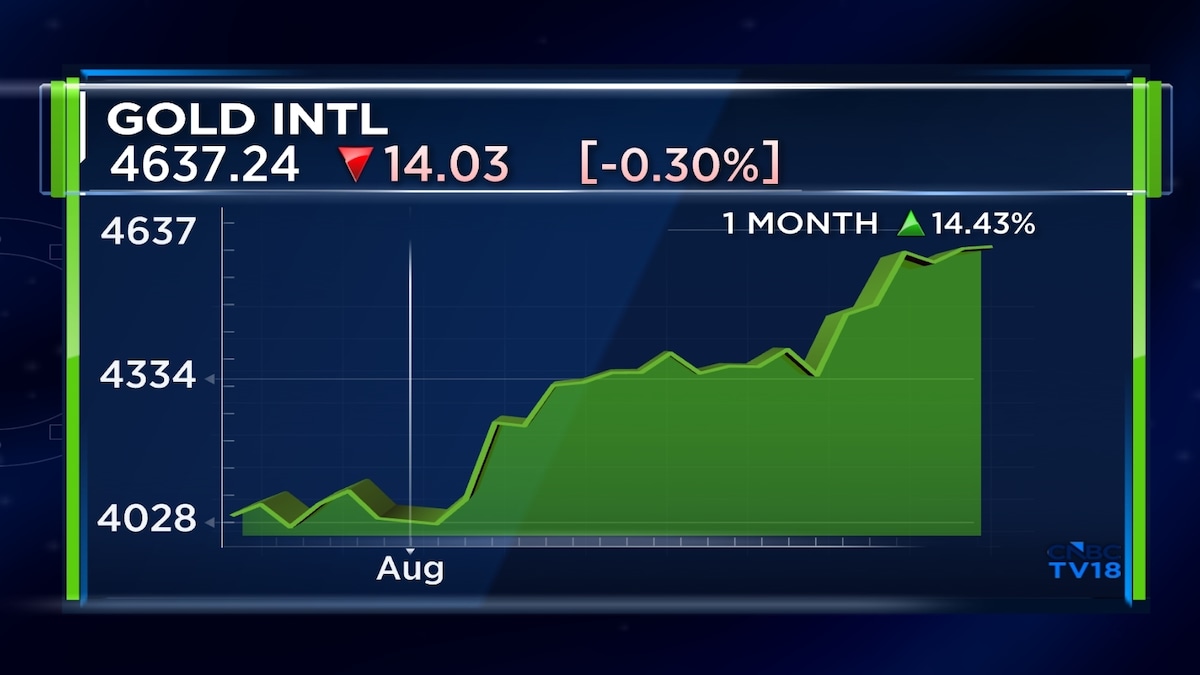
Physical demand has remained resilient even at elevated price levels, while investment demand is showing signs of a resurgence. Global gold ETFs recorded net inflows of approximately $3 billion in July, snapping a prolonged period of outflows. Market participants say the momentum has carried into August as investors increase allocations to the precious metal amid growing concerns over fiscal deficits, currency stability and geopolitical uncertainty.With multiple drivers aligning simultaneously, analysts expect gold to remain well-supported in the near term, although any sharp move in bond yields or a rebound in the US dollar could influence the pace of the rally. For now, investors appear focused on gold’s role as a hedge against fiscal risks, geopolitical shocks and market volatility.
Read more: There may be more bang for the buck outside the Nifty 50