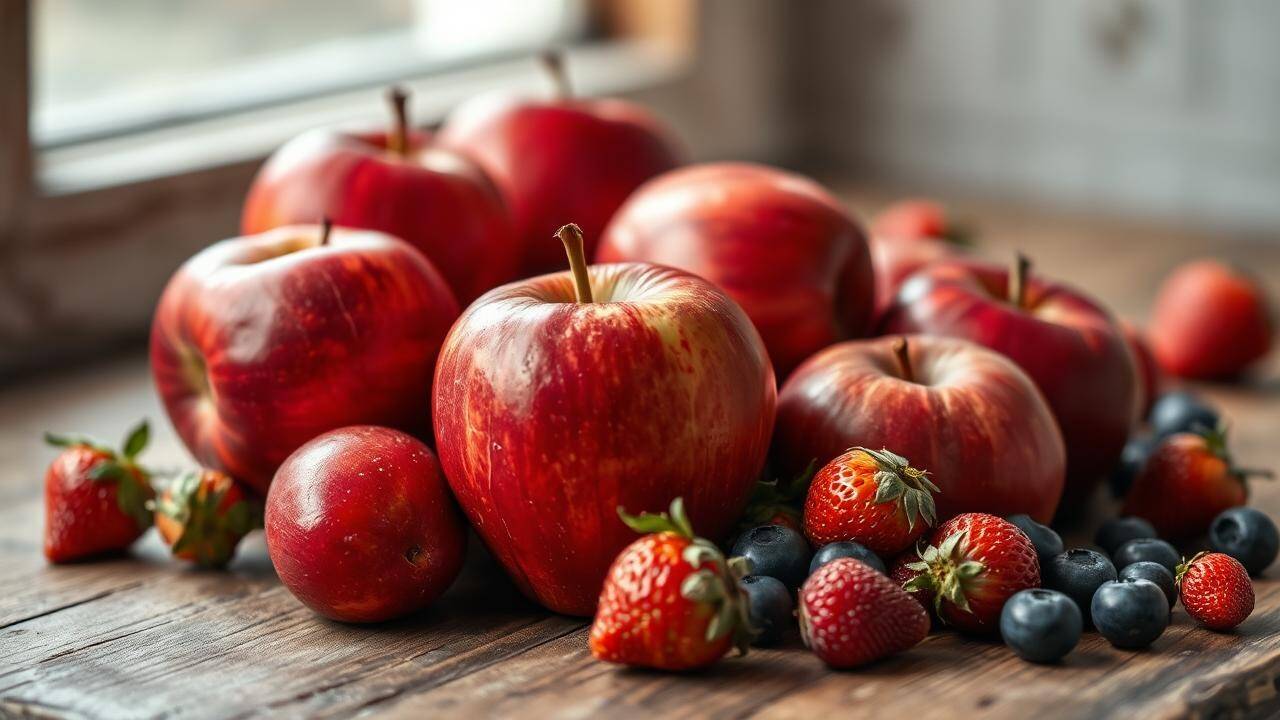
It all starts with the bowl full of fresh fruit in many kitchens on Mondays; however, by the time Thursday comes around, the fruit has turned into an overripe mess. Although it might be easy to place the fault on either the produce store or environmental conditions, the actual cause lies in the air that is invisible and unheard, which is released by the fruits themselves. Ethylene is essentially a biochemical indicator for the process of ripening. Fruits in a bowl actually communicate with one another and lead to rapid ripening.Knowing what goes on behind the scenes at your counter will help you store your food items better. Ethylene is an organic compound that functions like a biological alarm clock for the ripening of a fruit. In climacteric fruits, once that biological alarm wakes up, there’s no going back to sleep. This chemical reaction is autocatalytic, meaning that as one fruit ripens and emits ethylene, this causes more and more ethylene production. In a dense crowd of fruits in a bowl, this results in ethylene gathering in the space between them and accelerating their ripening.The biological “Go” signalDifferent kinds of fruit have different biological processes going on when placed next to each other on a counter. These differences allow biologists to classify fruits based on how they act. For example, climacteric fruits, such as bananas, apples, avocados, and tomatoes, are heavy producers of ethylene. An article called Role of Ethylene in Fruit Ripening discusses a biochemical response to ethylene, which stimulates starch breakdown into sugars and makes cell walls soft.That’s when problems occur for the fruits around them. Fruits such as grapes, strawberries, and citrus fruits do not mature much after being harvested; however, when they are exposed to high ethylene environments caused by ripening bananas, they can suffer negative effects. They would not become ripe, but ethylene would force the ageing process, causing brown spots on the skin, adding bitterness or compromising their protective barrier against the outside. The exchange of gases in fruits is very powerful and influences how long all the produce in your fridge stays fresh.
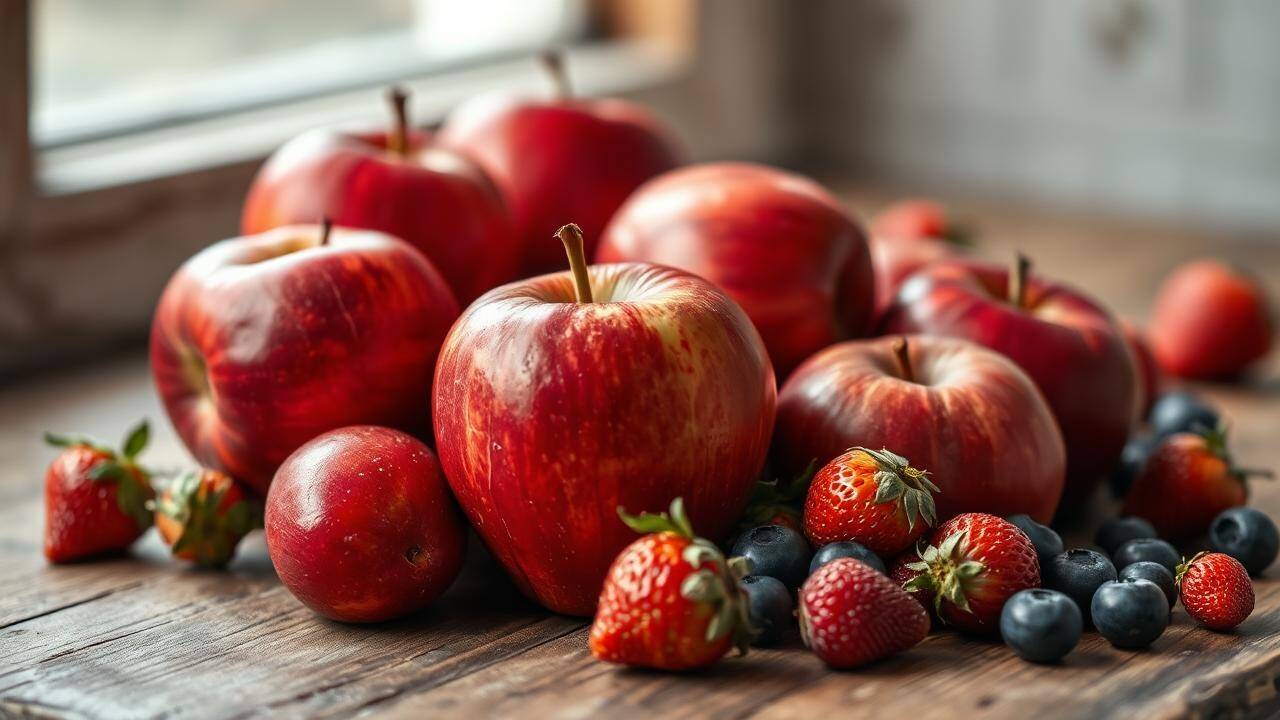
Understanding this process, especially the difference between climacteric and non-climacteric fruits, allows for better storage. Separating ethylene-sensitive produce and ensuring good ventilation are key to extending freshness.
Controlling the internal environmentThe way fruits exchange gases largely depends on their skin. There are fruits with porous skins, whereas others, such as tomatoes, have complex mechanisms for doing so. As stated by the Journal of Food Science and Technology, the gas exchange process of fruit is heavily dependent on how permeable its peel is. In tomatoes, the part of the peel where the fruit was attached is responsible for the bulk of the gas exchange. As such, if the stem area is compromised or if it is in a poorly ventilated space, ethylene will build up inside the fruit, making the pulp soften internally.From what was mentioned above, one can clearly see that the importance of good ventilation cannot be overstated. Indeed, when placing ethylene-generating fruits closely together in a bundle or inside a deep bowl, one creates a compact, pressurised ethylene area. There is no way out for the gas, while the oxygen does not manage to get inside and compensate for the metabolic processes. Moreover, there is also a reason why such an old trick like putting an unripe avocado inside a paper bag along with a ripe banana, helps in accelerating the ripening process significantly. To stop that from happening, one needs to scatter the gas areas.Tips to make your produce last longerProbably, the best strategy for extending the life of produce is the “separation trick”. It includes storing ethylene-sensitive and high-ethylene foods apart from each other. The most appropriate solution would be to hang bananas separately and to put avocados in one layer only.For already ripe fruits, putting them in the fridge helps extend their shelf life. The cool environment slows down their metabolic activities as well as their ethylene production rate. One has to be careful about fruits like tomatoes and bananas because of the chance of chilling damage, resulting in loss of taste. It would be ideal if one used basket-like containers that are open in nature for ventilation instead of closed containers made of glass material, allowing the movement of ethylene outwards.