
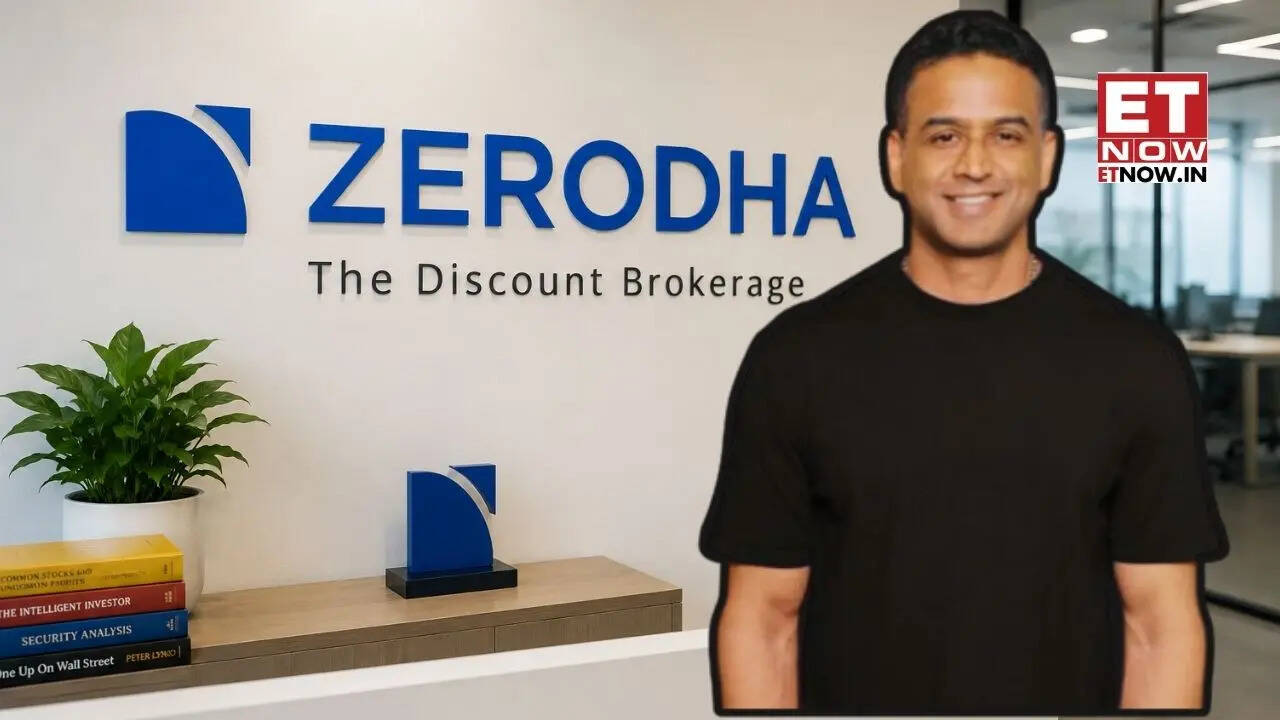
Nithin Kamath, founder and CEO of Zerodha on Wednesday has expressed serious concerns about the growing use of Margin Trading Facility (MTF) in the Indian stock market. He compared the situation to the current problems in the Korean markets.
What is worrying Nithin Kamath?
In a detailed post on microblogging website X, Nithin has said that MTF is currently the biggest risk Zerodha has taken since starting in 2010. He also pointed out that their MTF book has grown to around Rs 9,000 crore, with at least half of it in non-F&O stocks. These stocks can often hit lower circuits, making it hard for brokers to exit positions quickly.
Lessons from the Korean Market
Nithin has explained that when markets rise very sharply as seen in Korea, investors borrow more because the value of their holdings increases. This creates high leverage.
He added, “The problem with Korea is the one-way rally. When markets go up so sharply, leverage builds up… When the markets fall, things get really ugly.”
According to him, falling markets trigger margin calls, forced selling, and a dangerous downward loop, made worse by leveraged ETFs and derivatives.
Risk to India Small and Mid-Cap stocks
Nithin has said that MTF has become very popular only in the last 3-4 years. India has not faced a sharp market crash like the one KOSPI has since COVID.
He warned that if the Indian market falls sharply, it could lead to heavy selling pressure, especially in small and mid-cap stocks. Brokers currently offer MTF on around 1,500 stocks.
Positive note on SEBI regulations
Despite the risk, Nithin also appreciated SEBI’s role in controlling excessive leverage. He said, “Luckily, thanks to SEBI, we’ve avoided the worst excesses that typically arise from unchecked leverage.”
He also shared a link to useful market data maintained by his colleague, including MTF statistics.
(Disclaimer: The above article is meant for informational purposes only and should not be considered as any investment advice. ET NOW DIGITAL suggests its readers/audience to consult their financial advisors before making any money-related decisions.)