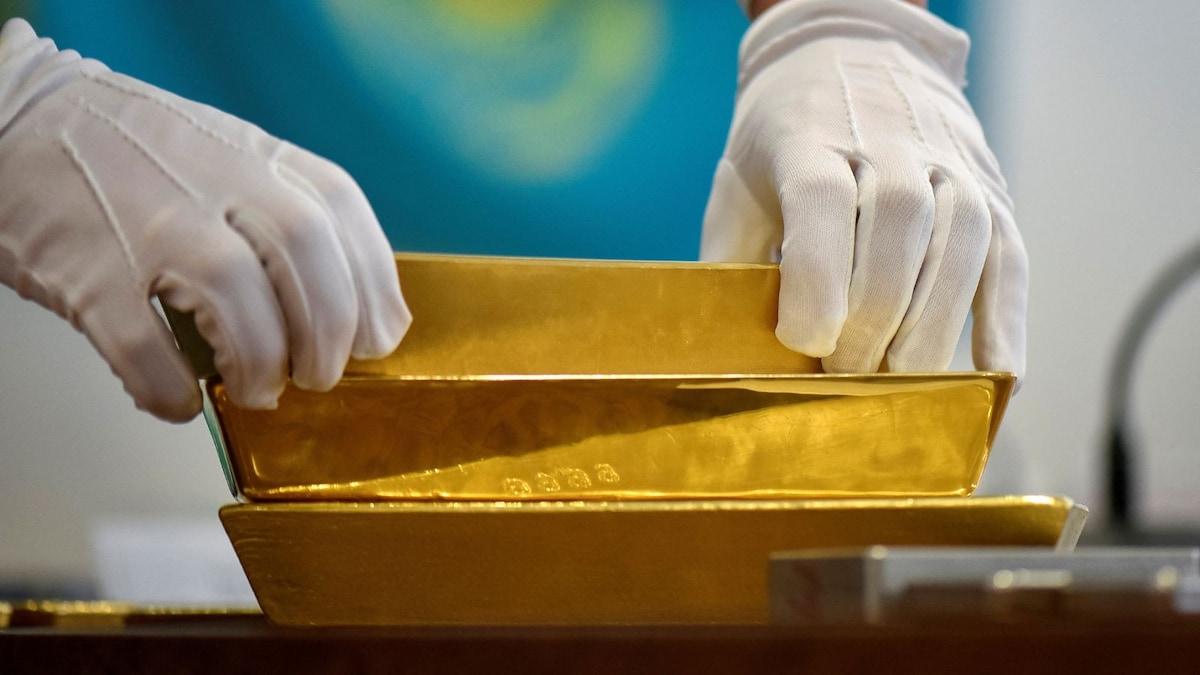
The move reflects growing pressure on traditional exchanges to compete with digital trading platforms that never close, allowing investors to react instantly to global events, including those that occur over weekends. While the launch marks a significant shift, it applies only to the new one-ounce contract and not to CME’s benchmark 100-ounce gold futures.
What is changing?
From July 24, CME plans to introduce a one-ounce gold futures contract that will be available for continuous trading throughout the week, including weekends.
The exchange has already completed the self-certification process with the US Commodity Futures Trading Commission (CFTC), which oversees US derivatives markets. Before the launch, CME is also expected to migrate its Globex market segment to support uninterrupted trading.
However, the change is limited to the new one-ounce contract.
The benchmark 100-ounce gold futures contract, which accounts for a significant share of institutional trading, will continue to operate under existing trading hours and remain closed over weekends.
Why is CME introducing 24/7 trading?
The biggest driver is the rapid evolution of global financial markets.
For decades, commodity exchanges have operated within fixed trading hours. But investors can now buy and sell tokenised commodities and related financial products on blockchain-based platforms that remain open around the clock.
As a result, investors are increasingly able to react to major geopolitical events, economic developments and other market-moving news even when traditional commodity exchanges are closed.
For example, military conflicts, geopolitical tensions or unexpected policy announcements can trigger sharp moves in gold prices over a weekend. Under the conventional trading model, investors have had to wait until markets reopened to adjust their positions. Continuous trading allows them to respond immediately.
By extending trading hours for one of its gold contracts, CME is adapting to changing investor expectations and increasing competition from markets that operate without interruption.
Why start with gold?
Gold is one of the world’s most actively traded commodities and is widely regarded as a safe-haven asset during periods of economic or geopolitical uncertainty.
Demand for gold often rises sharply during unexpected global events, making it a natural candidate for continuous trading.
CME had also explored introducing weekend trading for crude oil contracts. However, those plans were put on hold after concerns from oil producers and other market participants about liquidity during weekends and non-trading hours.
Lower liquidity can lead to wider bid-ask spreads, higher trading costs and sharper price swings, making continuous trading more challenging for oil than for gold.
What role has crypto played?
The rapid growth of cryptocurrency markets has demonstrated that investors are increasingly comfortable trading around the clock rather than within fixed market hours.
Unlike traditional exchanges, crypto markets operate continuously throughout the year. Several digital platforms also offer tokenised exposure to commodities such as gold, allowing investors to trade even when conventional commodity exchanges are closed.
The popularity of these platforms has reinforced the idea that investors increasingly expect uninterrupted access to financial markets, prompting established exchanges to reconsider long-standing trading schedules.
What does this mean for investors?
Continuous trading gives investors greater flexibility to manage risk.
Instead of waiting until markets reopen after a major weekend event, traders using the new one-ounce contract will be able to adjust their positions immediately.
The move could also improve price discovery by allowing markets to reflect new information as events unfold rather than after a prolonged closure.
However, investors should also be aware of the potential drawbacks. Weekend trading may attract fewer participants than weekday sessions, which could result in lower liquidity, wider bid-ask spreads and higher price volatility.
What could it mean for India?
The move could have implications for commodity markets worldwide, including India.
Indian commodity exchanges remain closed over weekends. If global gold prices move sharply during that period, domestic traders could face larger price adjustments when markets reopen on Monday.
Jewellery manufacturers, bullion dealers and commodity traders may also need to monitor weekend developments more closely, even if domestic trading remains unavailable.
Whether other exchanges eventually extend their trading hours remains uncertain. However, CME’s decision signals that traditional commodity markets are beginning to adapt to a financial landscape where investors increasingly expect markets to remain accessible around the clock.
If the initiative proves successful, it could pave the way for more commodities and exchanges to embrace continuous trading in the years ahead.