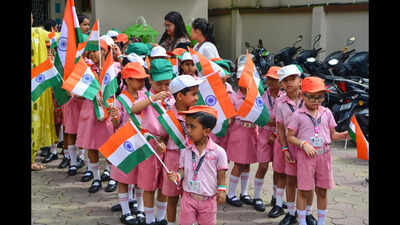
Every August 15, students across the country step up to the microphone to speak about India’s Independence Day. They recall the courage of Mahatma Gandhi, Bhagat Singh, Subhas Chandra Bose, Rani Lakshmibai, Sardar Patel and countless other freedom fighters whose sacrifices shaped the country’s journey to independence.But remembering their contribution is only the beginning. The real challenge for a student delivering an Independence Day speech is to present that history with sincerity, connect it with the meaning of freedom today and hold the audience’s attention without losing the solemnity of the occasion.With Independence Day being celebrated tomorrow, here are some practical tips to help students turn a routine ceremonial speech into one that is confident, engaging and memorable.
Tips to make your Independence Day speech effective
1. Begin with the significance of the dayThe opening should establish the importance of Independence Day. You could begin by reflecting on what August 15 represents for Indians and then introduce the sacrifices that made independence possible.For example:“On August 15, we do not simply celebrate the day India became independent. We remember a long struggle, countless sacrifices, and the courage of people who believed that a free India was worth fighting for.”
2. Remember freedom fighters with context
Mentioning prominent freedom fighters is important, but their names should not merely appear as a list.If you mention Bhagat Singh, explain what his courage represented. If you speak about Mahatma Gandhi, connect his philosophy of non-violence with the larger freedom movement. If you mention Subhas Chandra Bose, explain the determination associated with his struggle for India’s independence.A name becomes more meaningful when accompanied by the contribution or value it represents.
3. Tell the story of sacrifice
The freedom struggle was not a single event. It was a long and complex movement involving people from different regions, communities and backgrounds.A speech becomes more powerful when it briefly tells one such story rather than attempting to cover the entire history of India’s independence in a few minutes.Choose an episode that genuinely moves you and explain why it still matters.
4. Connect 1947 with today’s India
After paying tribute to those who fought for independence, bring the speech into the present. Ask what their sacrifices mean for today’s generation.For a student, that could mean valuing education, respecting democratic institutions, exercising freedom responsibly, treating fellow citizens with dignity, and contributing positively to society.This connection ensures that the speech honours the past while remaining relevant to the audience listening today.
5. Speak from conviction, not just memory
An Independence Day speech can contain historically accurate facts and still feel distant if the speaker does not connect personally with the subject.Think about what freedom means to you as a student. What opportunities do you have today because India is an independent nation? What responsibilities do you think your generation has?Adding one genuine reflection can make the speech sound far more natural and sincere.
6. Keep the language clear and dignified
There is no need to use unnecessarily complicated words to make an Independence Day speech sound impressive.Use language that is confident, respectful, and easy to understand. Shorter sentences are often easier to deliver and allow important points to land with the audience.The objective is not to display vocabulary. It is to communicate an idea with clarity and conviction.
7. Practise the delivery, not just the words
A well-written speech deserves an equally thoughtful delivery. Practise aloud, maintain eye contact, pause after important points, and avoid speaking too quickly. If you are quoting a freedom fighter, give the words the appropriate weight rather than rushing through them.Confidence on stage comes less from speaking loudly and more from knowing what you want to say.
8. End by turning remembrance into responsibility
The conclusion should return to the sacrifices remembered at the beginning of the speech. A strong ending can remind the audience that the freedom inherited by today’s generation carries responsibilities of its own.For instance:“The freedom we celebrate today was built on the courage and sacrifice of generations before us. The least we can do is value it, protect it, and use it responsibly. As we remember those who gave us a free India, let us also ask ourselves what kind of India we will leave for the generations that follow.”Then, a simple “Jai Hind” can provide a fitting close.