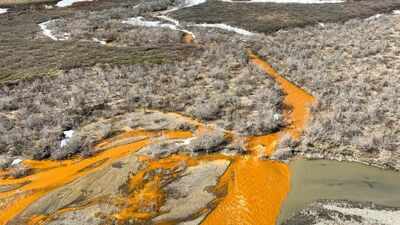
In the heart of Alaska’s wilderness, a transformation is happening because of which the scientists and local communities are deeply concerned. The once-fresh, crystal-clear rivers of the Brooks Range in northern Alaska are rapidly turning into a vivid, rusty orange colour. This transformation, visible even from space, is not the result of industrial pollution or mining but is a direct consequence of a rapidly warming climate. As the frozen ground begins to melt after thousands of years, it is releasing minerals and acid into the water system. This ‘rusting’ of the Arctic represents a significant threat to water quality, native fish populations, and the vital resources that rural Alaskan villages have relied upon for generations. This environmental mystery is now occurring in over two hundred catchment areas across the northern territory.
Why are Alaska’s rivers are turning orange
The primary theory behind this dramatic shift is the melting of permafrost (ground that has remained completely frozen for at least two consecutive years). Think of permafrost as a massive, ancient freezer that has kept minerals and chemicals locked safely underground for thousands of years. As Arctic temperatures rise, this freezer is starting to fail.When the permafrost melts, water can reach deeper soil layers, exposing minerals like ‘pyrite’ to air and water. This process, known as ‘acid rock drainage,’ triggers a chemical reaction that creates sulfuric acid and releases iron and other metals. When this iron-rich water hits the oxygen in the streams, it ‘rusts,’ turning the water a bright orange and making it much more acidic. This is a simple process happening on a scale that covers hundreds of miles of wilderness.
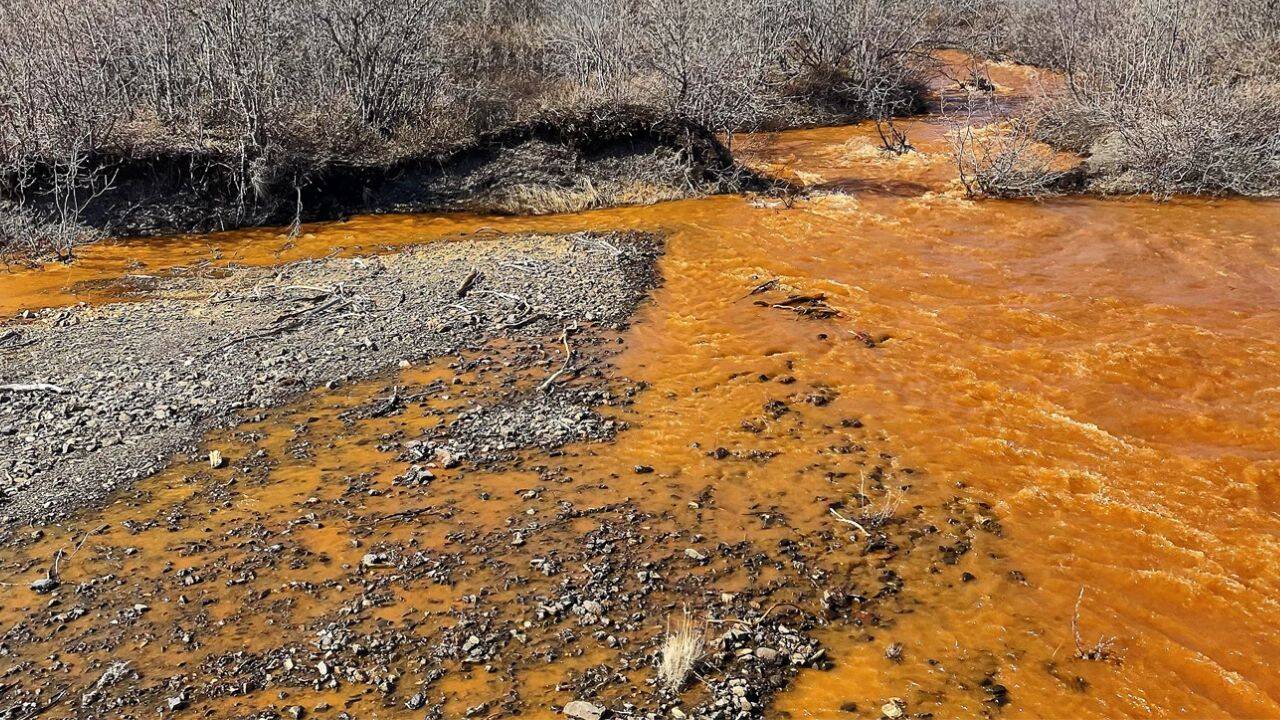
Image Credit: U.S. Geological Survey / Josh Koch
When did the ‘rusting’ in Alaska streams begin
While some orange streams may have been present there for a long time, the current level of rusting is the one that never existed before. Scientists used historical satellite imagery dating back to 1985 to pinpoint exactly when the water began to change. By calculating a ‘redness index’ (a way of measuring how red the water looks from above), they found that most of these streams were clear until the last decade.A significant changing point appeared to be around 2018, following a period of deep snow cover and unusually warm weather, which can accelerate the melting of the ground. Currently, more than 200 river basins across northern Alaska have been identified as having shifted from clear to orange.
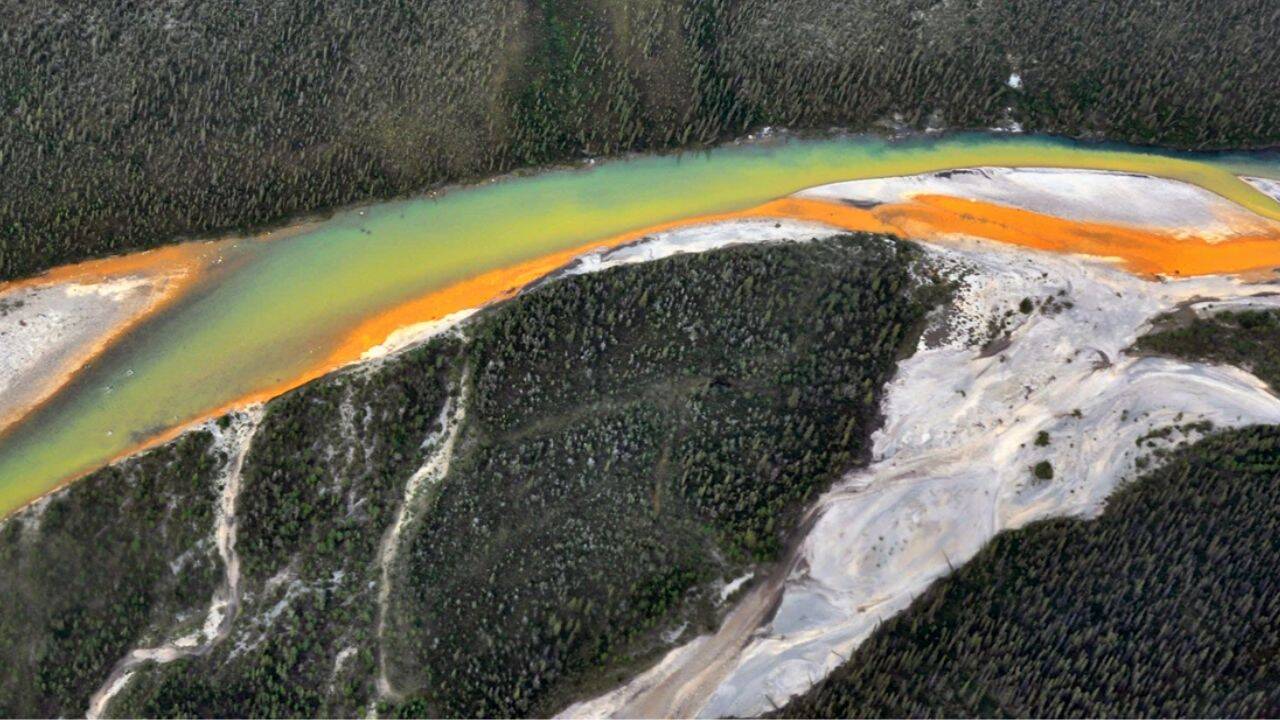
Image Credit: NPS / Ken Hill
What is actually present in this toxic, orange river water
Researchers have found that in addition to ‘iron,’ these orange streams contain increased levels of several other metals like Aluminium, Nickel, Copper, Zinc, and Cadmium. The presence of these metals is the primary reason that these water bodies are much more acidic than the nearby clear ones.In some cases, the level of these metals exceed safety guidelines for aquatic life and even drinking water. The water becomes so cloudy that sunlight cannot reach the bottom, which prevents algae from growing and destroys the base of the food chain. So it is not just the colour that is changing; the very chemistry of the water is undergoing a change.
How is this ‘rusting of rivers’ affecting the wildlife and the local population
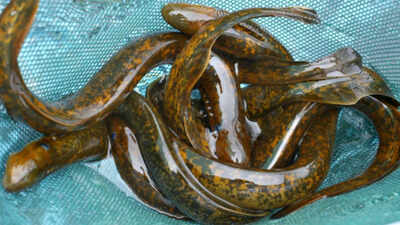
In one monitored stream in Kobuk Valley National Park, the water became so acidic and toxic that two species of fish (the juvenile Dolly Varden and the slimy sculpin) completely disappeared. The number of tiny water insects that fish eat also decreased.Dolly Varden is particularly important in this region. Scientists have noted that few adult Dolly Varden are now seen in the rivers. The orange sludge covers the river bottom, destroying the gravel areas where fish would normally lay their eggs.For the rural and indigenous communities in northern Alaska, these rivers are ‘liquid assets.’ They provide essential drinking water and are the primary source of food through survival fishing. Communities that depend on these rivers for domestic use may face health risks from metal pollution. Even if the metals are not at toxic levels for humans, they can make the water taste terrible and clog up filtration systems.Species like ‘chum salmon’ and ‘whitefish’ are vital for the local diet. The loss of habitat and the accumulation of toxins in fish could threaten the food security of these villages. Communities in areas like Kivalina and Noatak are working with scientists by providing fish samples to help track these changes.
Can we stop these rivers from rusting?
Currently, there is no way to ‘turn off’ the chemical reactions happening deep underground. The rusting is a natural response to a changing climate, making it a complex problem to solve. Scientists from the National Park Service, U.S. Geological Survey, and various universities are currently:
- Mapping the exact locations and spread of the orange water.
- Testing the water to see which areas are at high risk.
- Studying how long these ‘rusting’ events might last. Some streams have shown signs of clearing up, while others remain orange for years.
The goal of this ongoing research is to help local communities understand and adapt to these changes. While the problem seems far away, it is a reminder of how global warming affects even the purest parts of our planet.