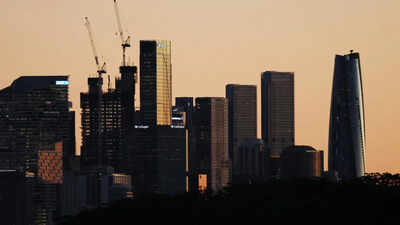
Australia’s housing market, one of the world’s most expensive, is witnessing a sharp downturn after years of rapid growth, as higher borrowing costs, tax reforms targeting property investors and weakening buyer confidence combine to push prices lower.The fall in housing prices comes after the total value of Australia’s 11.5 million homes increased 87 per cent this decade to A$12.8 trillion.According to Reuters, the correction has already begun to affect the wider economy, with falling home sales depending on consumer spending, construction activity and government revenues.Sydney and Melbourne, Australia’s two largest housing markets, have each recorded house price declines of around 5 per cent so far this year. Auction clearance rates have weakened, mortgage applications have slowed, and buyer enquiries have softened as many households postpone purchasing decisions.In an effort to contain inflation, the Reserve Bank of Australia (RBA) reportedly raised interest rates three times this year, significantly increasing mortgage repayments for borrowers. Costlier home loans have reduced borrowing capacity, making it harder for many buyers to afford properties that were already among the least affordable in the developed world, Reuters reported.Demand has also weakened following changes to Australia’s tax treatment of residential property investment.According to Reuters, the government has introduced reforms that reduce tax incentives for property investors, including changes to negative gearing and capital gains tax concessions. These measures have lowered investor appetite, removing an important source of demand that had supported house prices for years.Persistently high living costs have further dampened buyer sentiment.Although prices have begun to decline, many prospective buyers continue to delay purchases, anticipating further corrections while also facing higher mortgage repayments and increased household expenses.Reuters reported that weaker property transactions are affecting industries linked to housing, including real estate agencies, mortgage brokers, removalists, furniture retailers and renovation businesses.State governments are also expected to receive lower stamp duty revenues as home sales decline, with New South Wales forecasting a fall of A$5.3 billion over the next four years.The correction has prompted warnings that Australia could be entering one of its most significant housing downturns in decades.Some analysts believe the country is bracing for its sharpest housing market correction in 40 years as higher interest rates, reduced investor demand and slower economic growth combine to put further pressure on property values.However, lower prices have not necessarily improved affordability. It means many households still face elevated mortgage repayments despite lower home values.