canva
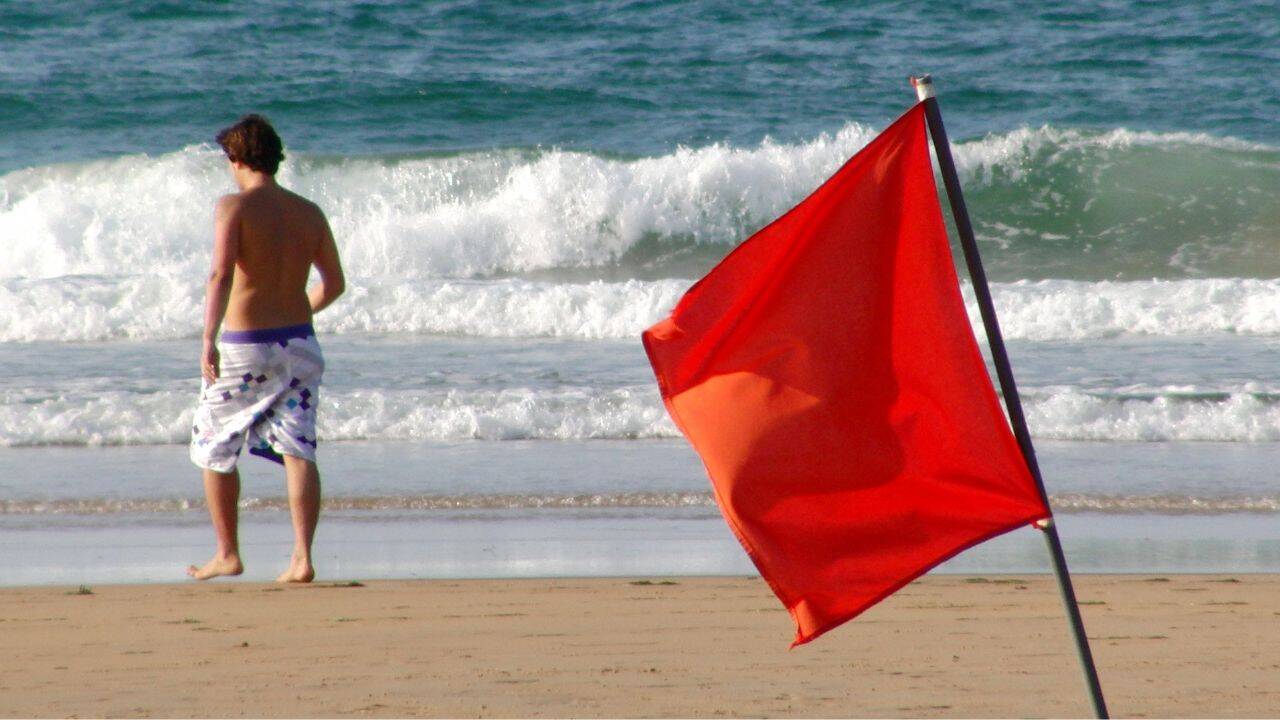
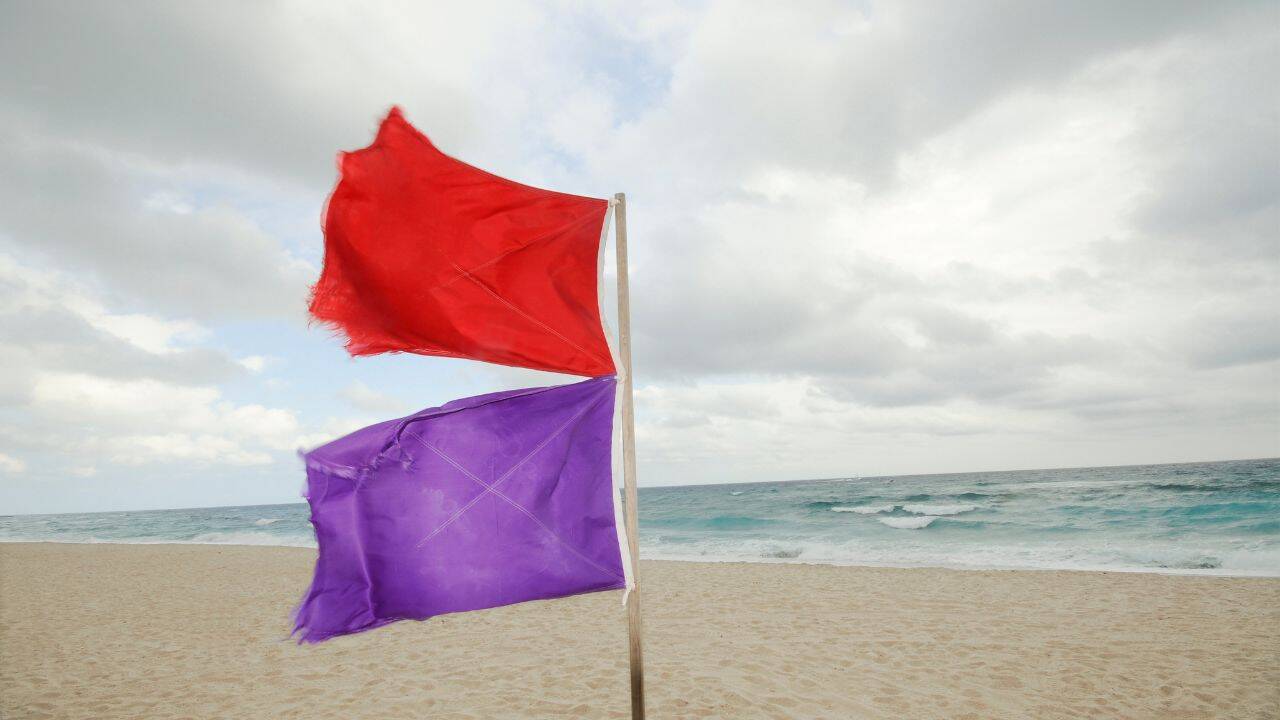
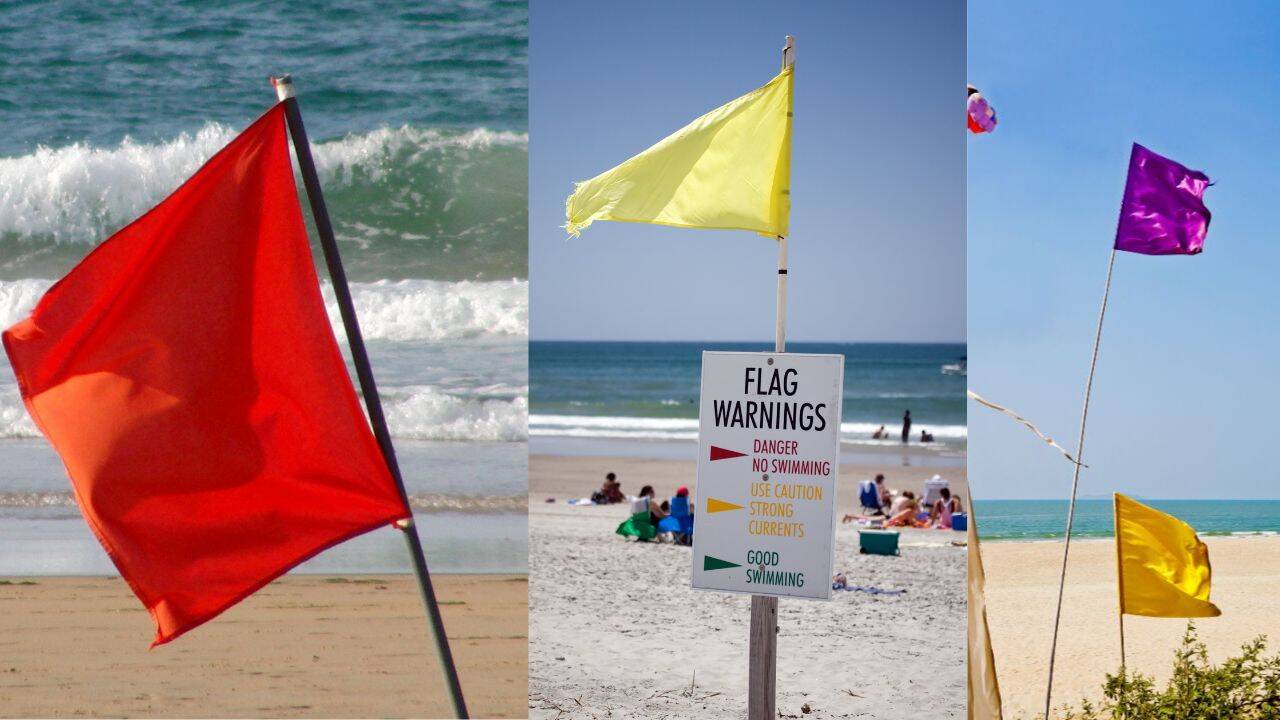
The colour red signifies danger everywhere. It is the most serious warning.A single red flag means “stay out of water”. It means the beach has dangerous water conditions. Strong surf, powerful currents, large waves, or other hazards make swimming unsafe. In many places, entering the water during a red flag warning is strongly discouraged.Reasons for a red flag:Strong currentsHigh surfDangerous tidesStorm conditionsDouble Red Flags: Water Closed
canva
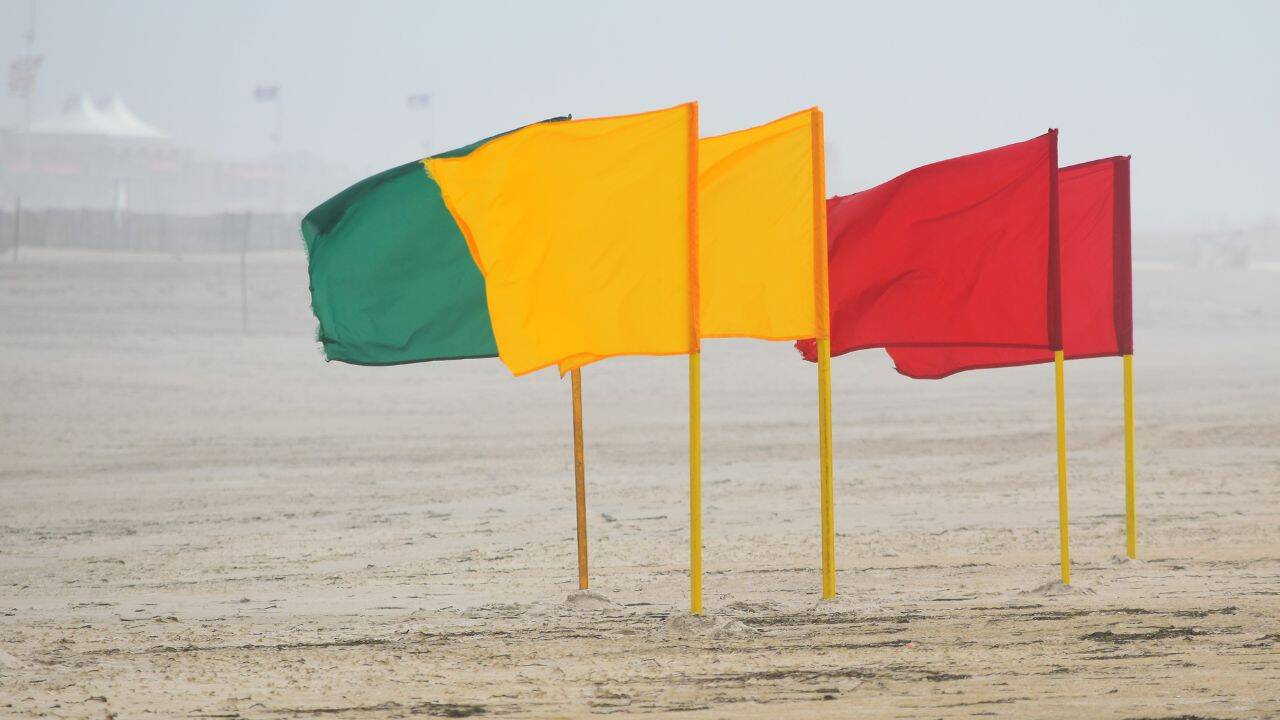
Many travellers mistake double red flags for an upgraded warning. But these carry a very specific message.Double red flags mean the beach and water are officially closed to the public and that nobody should enter the sea. Even experienced swimmers or surfers are not allowed unless specifically authorised. Double red flags are raised during:Hurricanes cyclonesExtremely rough conditionsSevere coastal floodingEmergency rescue situationsYellow Flag: Exercise Extra Caution
canva
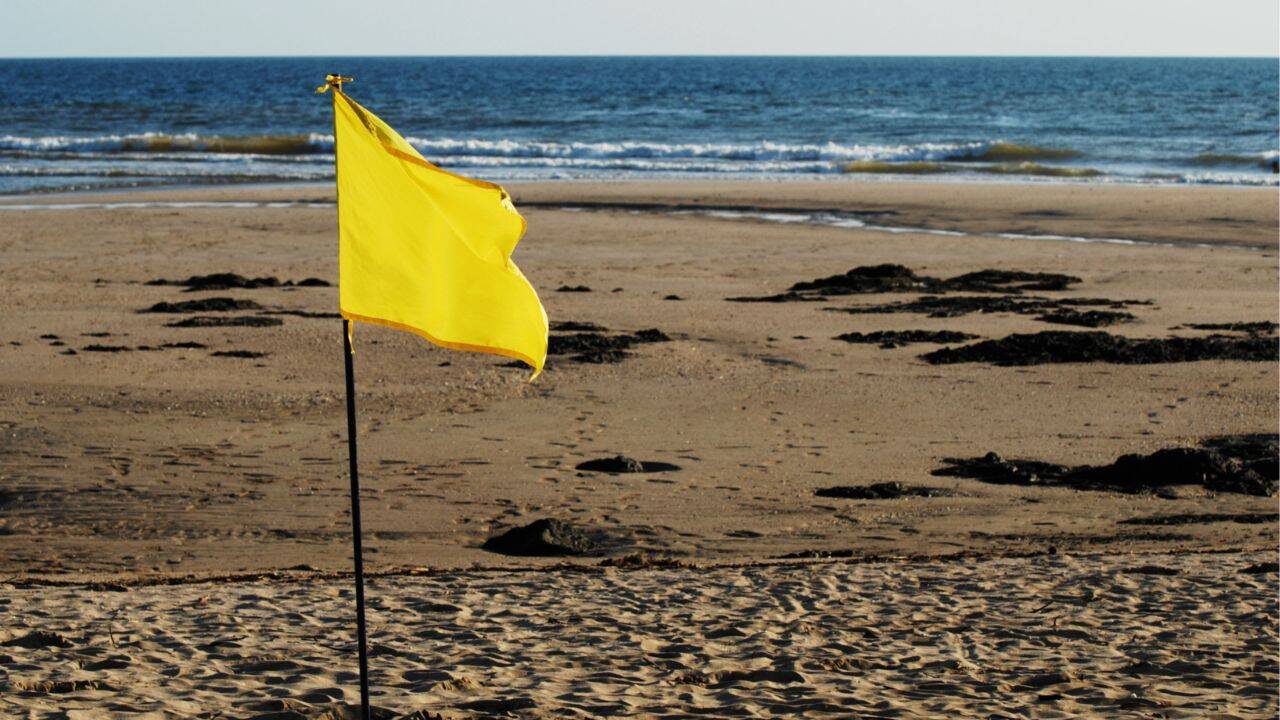
Never ignore a yellow flag. It does not mean conditions are completely safe.Yellow flag means moderate hazards and swimming is usually allowed. But visitors are advised to remain alert.Yellow flags are raised during:Moderate wavesChanging tidesStronger-than-normal surfGreen Flag: Generally Safe Conditions
canva
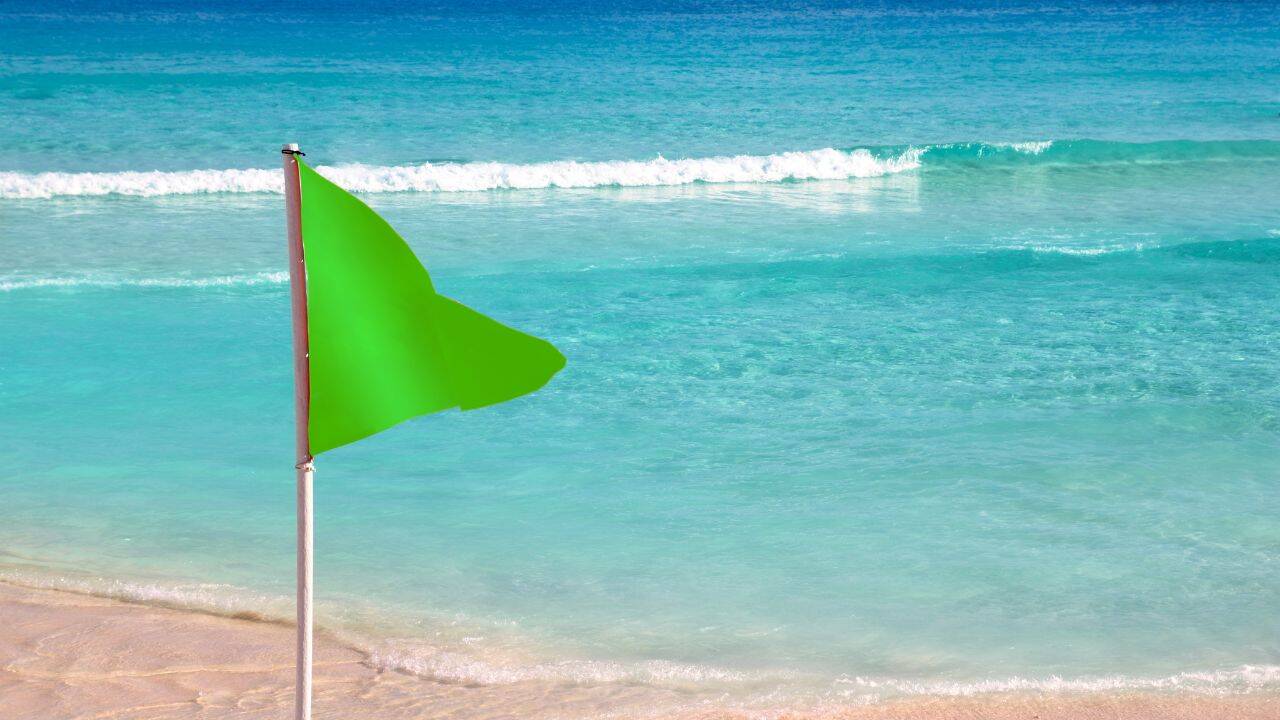
It indicates that water conditions are considered suitable for swimming.Natural bodies of water are constantly changing, and even on green-flag days, swimmers should:Stay within designated swimming zonesFollow lifeguards’ instructionsNature is unpredictable and ocean conditions can change anytime.Purple Flag: Dangerous Marine Life
canva
The purple flag is probably one of the least understood beach warnings.It alerts visitors that potentially dangerous marine life has been spotted in the area.It could include:JellyfishStingraysPortuguese man o’ warSea liceSharks A purple flag does not always mean the beach is closed. Instead, it tells swimmers to remain alert.Many tropical beaches raise purple flags during jellyfish season when painful stings become more common.Why tourists should pay attention
canva
Many holidaymakers assume that calm-looking water is safe, but appearances can be deceiving. Whether its Goan beaches or Australia’s Gold Coast, or the Mediterranean, following a few basic precautions can significantly reduce risks:Always check the beach flags Swim only at lifeguard-patrolled beaches Never ignore warnings.Avoid swimming alone.Keep children within arm’s reach near the water.It is important to understand that beach flags are not for decorations. These are internationally recognised safety tools designed to protect lives. Sources: International Life Saving Federation (ILS), United States Lifesaving Association (USLA), Surf Life Saving Australia, National Weather Service (US), NOAA Rip Current Safety Guidance.