
Buyers will no longer need a TAN, but will have to disclose more details about the property, NRI seller and payments under the revised TDS reporting r…

 1/5
1/5TAN requirement removed: Under the new framework, buyers will report TDS through the prescribed challan-cum-statement mechanism instead of obtaining a TAN. The tax payment deadline will also be 30 days from the end of the relevant month.
 2/5
2/5Schedule E added: The CBDT has added Schedule E to Form 141 for these property transactions. Buyers will have to provide details of the property, all buyers and non-resident sellers, including PAN, contact details, overseas address and tax identification information.
 3/5
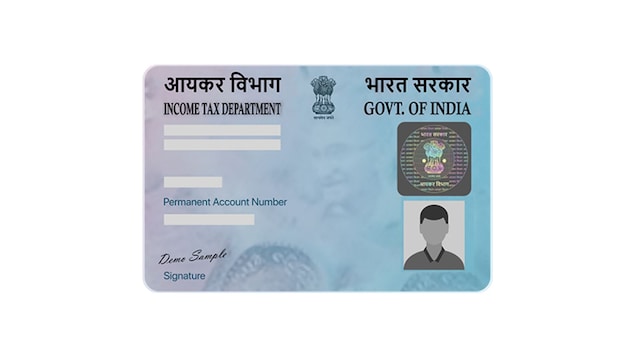
3/5PAN details expanded: Where the non-resident seller does not have a PAN, the buyer will have to provide the seller’s tax identification number from the country of residence. If unavailable, a unique identification number issued by the foreign government will have to be furnished.
 4/5
4/5Payments fully disclosed: The revised form will capture the agreement date, registration date, stamp duty value and sale consideration. Buyers will also have to specify whether the payment is made in one instalment or multiple instalments and provide transaction-level TDS details.
 5/5
5/5Joint buyers file separately: Where there is more than one deductor, each will have to submit a separate form. The changes concern TDS reporting and documentation and do not introduce a new property registration requirement. Existing TDS rates and reporting requirements for remittances to non-residents through Forms 145 and 146 remain unchanged.