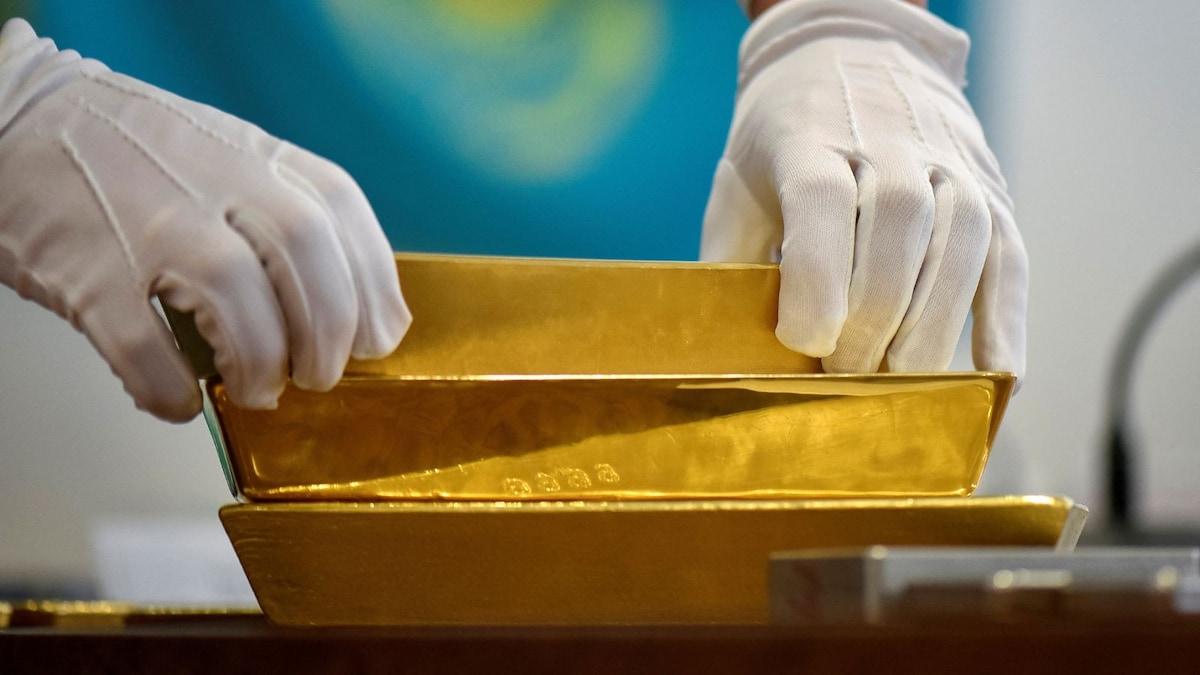
The Huaan Yifu Gold ETF has a market capitalisation of 90 billion yuan ($13 billion), surpassing the Huatai-PineBridge CSI 300 ETF, which now stands at 83 billion yuan.
The CSI 300 ETF had previously benefited from large-scale purchases by Central Huijin Investment Ltd, a unit of China’s sovereign wealth fund, and other state-backed investors that began buying funds in 2024 to support domestic equities. At its peak, the ETF’s market value reached about 440 billion yuan.
State-linked investors have reduced holdings in some of China’s largest ETFs this year, signaling a pullback in efforts to support the equity market. The CSI 300 Index has risen 4.9% so far this year, compared with a 21% gain in the MSCI Asia Pacific Index. Technology-focused benchmarks, including the Star 50 Index, have reached record highs during the same period.
The Huaan Yifu Gold ETF has also declined from its peak value of 136 billion yuan after gold prices fell and investors withdrew funds. However, a modest rebound over the past two trading sessions lifted its market value above the Huatai-PineBridge CSI 300 ETF.
The Huatai-PineBridge fund continued to record outflows, with about 18.5 billion yuan leaving the ETF last week, among the largest weekly withdrawals in Asia.
Investors turn to defensive assets
The reshuffle among China’s largest ETFs reflects changing investment preferences as official support for equities is reduced.
The HFT CSI Short Term Note ETF and the Hwabao WP Cash Tianyi Traded Money Market ETF are now the country’s third- and fourth-largest ETFs by market value.
Their rise points to increased investor allocations to fixed-income and cash-management products. While Chinese equities have posted gains this year, much of the advance has been concentrated in a limited number of artificial intelligence hardware stocks, with broader market sentiment continuing to be influenced by uncertainty over the economy.