
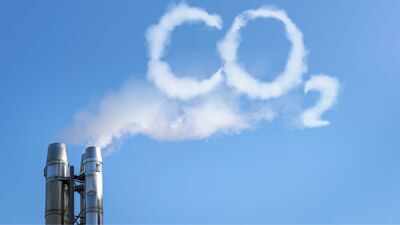
Carbon dioxide is a naturally occurring gas, abundant in quantity but its chemical stability makes it difficult to convert into useful materials. Since the 1960s, scientists have been attempting to transform carbon into polymers, which require specific catalysts to overcome the energy barriers. Some success was achieved in creating various compounds, but producing ‘high-performance polyesters’ directly from carbon dioxide is still a big challenge due to thermodynamic limitations.As published in the journal ‘Nature’, a research team led by Eugene Chen at Colorado State University recently achieved a major breakthrough. By using specific bicyclic molecules and a simple organic catalyst, the team developed a method to create durable, high-molar-mass polyesters. This innovation offers a chemical path for capturing carbon and making it a sustainable alternative to petroleum-based plastics.
How this new chemical method turns Carbon dioxide into durable plastics
The breakthrough involves a process known as ‘alternating copolymerisation.’ Instead of using traditional reactive molecules, the CSU team used bicyclic carbon molecules [bicyclic butane (BCB) and pentane (BCP)]. The structure of these molecules makes it easy for them to combine with CO2 in a pattern much like alternating coloured beads on a necklace. This reaction is caused by an organic catalyst, which acts as the ‘spark’ needed to build these long, strong molecular chains.One of the most impressive aspects of this method is that it achieves 50% CO2 inclusion. This is the maximum theoretical limit, resulting in a plastic which is half composed of captured carbon dioxide. As reported by the EurekAlert, this high level integration turns a greenhouse gas into a valuable building block for high-performance materials. By using CO2 as a renewable resource, the team is effectively preventing the gas from being released into the environment.
Image Credit: Wikipedia
Why has carbon dioxide been so difficult to use in plastic production
The primary challenge in using carbon dioxide (CO2) for manufacturing lies in its stability. In scientific terms, it is ‘inert,’ which means it does not easily react with other substances to form new bonds [Nature Excerpt, 6]. Professor Eugene Chen of the Department of Chemistry at Colorado State University (CSU), explains that the goal has always been to maximise how much CO2 can be packed into a plastic product.For decades, the industry has struggled to produce eco-friendly polyesters that are highly durable and also easily degradable or recyclable at the end of their lives. This new research addresses these hurdles by introducing a platform that can handle the unique chemical stability of carbon dioxide.
Who are the key researchers behind this discovery
This scientific innovation was a collaborative effort led by Eugene Chen at CSU. Professor Chen is a University Distinguished Professor with a long history in sustainable chemistry and polymer science. The research team also included first author Min Zhu, a postdoctoral researcher at CSU, along with other colleagues from both CSU and Northwestern University.Their work was supported by major institutions, like the National Science Foundation and the BOTTLE Consortium which is a specialised group of national laboratories and universities dedicated to developing new ways to recycle waste plastics and design better polymers for the future. Professor Chen holds a leadership role in this group, focusing on chemical and biological techniques to break down plastics into their original parts.
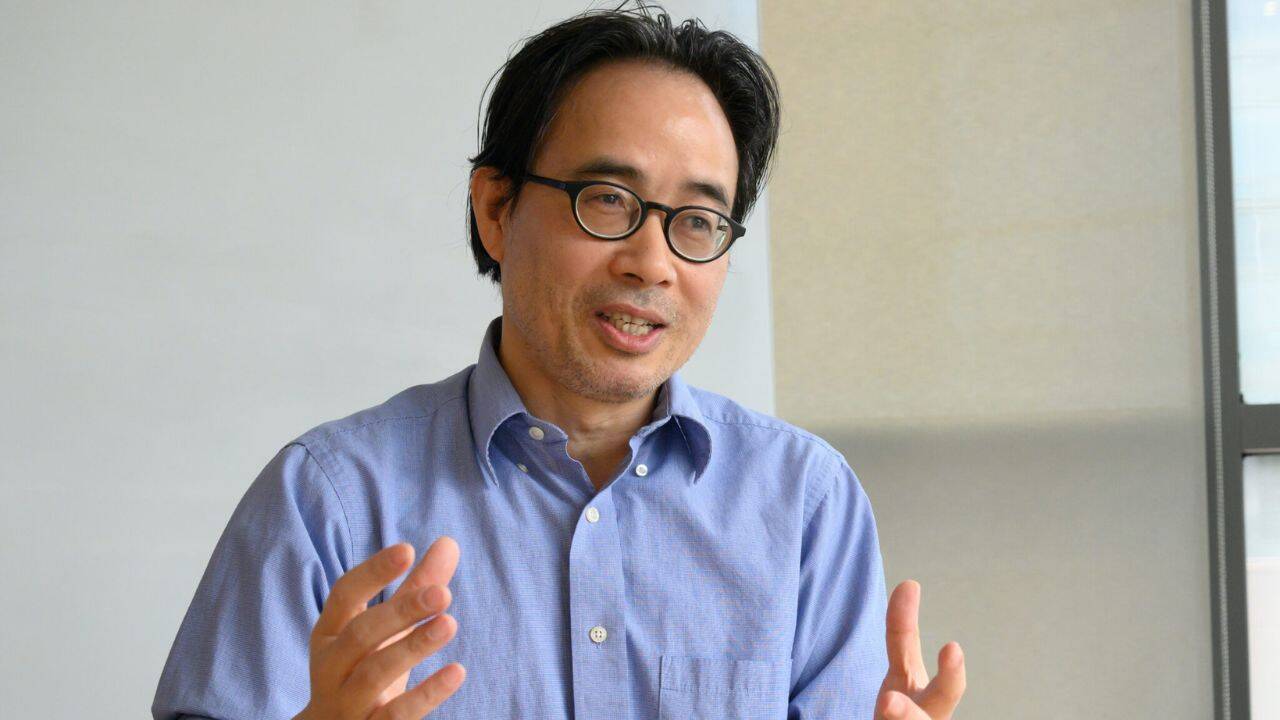
Eugene Chen. Image Credit: Colorado State University
How do these new plastics perform in real-world scenarios
A common concern with sustainable or ‘green’ plastics is that they might not be as strong or versatile as the materials we use today. However, the Nature study describes these polyesters as having ‘tailorable’ thermal and mechanical features. This means that by slightly adjusting the chemical recipe, the researchers can create materials that are either extremely tough and rigid or soft and flexible like rubber.In tests, the BCB-CO2 polyesters showed incredible stability . They can withstand high heat and remain intact even when exposed to harsh chemicals. This durability makes them suitable for a wide range of industrial and consumer applications. Whether it is for a sturdy car part or a flexible packaging material, these CO2-based plastics are designed to compete directly with petroleum-based alternatives.
Can these materials truly be recycled in a closed loop
The most revolutionary aspect of this research is what happens to the plastic at its ‘end-of-life.’ Traditional plastics often end up in landfills because they are difficult to break down into high-quality materials. On the other hand, the BCB-CO2 polyesters can be selectively ‘depolymerised,’ as per the study. This means that using a specific chemical process, the plastic can be turned back into its pure original form.The research also mentions that the team can regenerate pure BCB monomers with over 90% yield. Similarly, the BCP-CO2 versions can be broken down into useful chemical intermediates called ‘bicyclolactones.’ This allows for a continuous cycle of making, using, and remaking the plastic without losing quality, thereby eliminating the concept of waste.