
India’s southwest monsoon has finally reached Mumbai, bringing much-needed relief from the heat. However, weather experts caution that the broader monsoon outlook remains a concern, with the country already recording a significant rainfall shortfall and the threat of a strong El Niño event looming over the season.
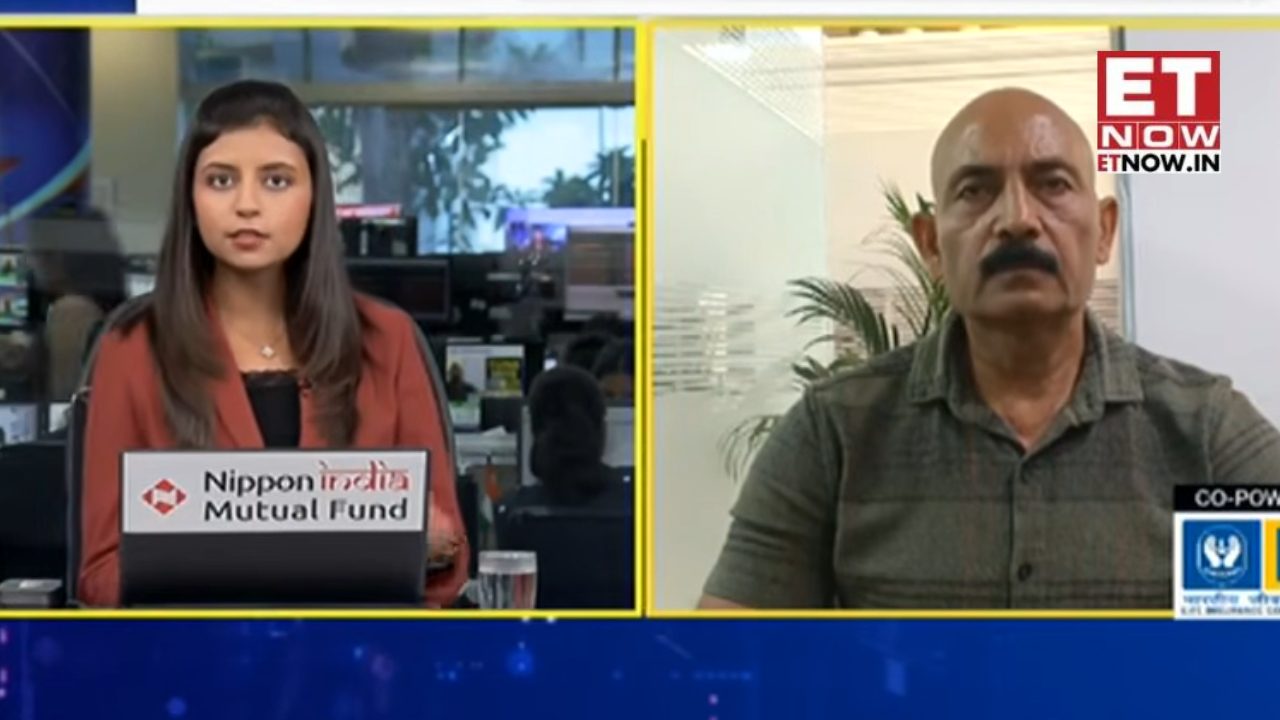
Speaking on the monsoon outlook, Mahesh Palawat, Vice President of Meteorology and Climate Change at Skymet Weather, said rainfall activity has strengthened along the western coast, including Mumbai. The city and surrounding coastal regions of Maharashtra are expected to receive moderate rainfall over the coming week, with occasional heavy showers. South Gujarat is also likely to witness similar weather conditions.
While the west coast has started receiving rain, large parts of eastern and central India are still awaiting a stronger monsoon push. Areas including parts of Bihar, Jharkhand, Chhattisgarh, Madhya Pradesh, eastern Uttar Pradesh and Rajasthan are yet to see widespread rainfall. According to Skymet, monsoon conditions are expected to improve across these regions by the end of June.
Palawat noted that flooding rains are unlikely in Mumbai despite the arrival of the monsoon. Rainfall is expected to remain in the moderate range, generally between 30 mm and 60 mm, which should help ease hot and humid weather conditions without causing major disruptions.
The bigger concern, however, is the overall performance of the monsoon season. India has already recorded a rainfall deficit of around 41 per cent during June, raising questions about the country’s agricultural outlook. Skymet had earlier projected seasonal rainfall at 94 per cent of the long-period average, but the agency is now reviewing its forecast.
According to Palawat, the rainfall shortfall may persist through the season as El Niño conditions continue to strengthen. He warned that July, August and September could also receive below-normal rainfall, although the first half of July is expected to witness improved precipitation.
At the same time, eastern and northeastern India, the southern peninsula and the west coast are likely to receive normal or near-normal rainfall. Northwest India, including Punjab, Haryana, Delhi and western Uttar Pradesh, may also see rainfall levels close to the seasonal average.
Experts say the uneven distribution of rainfall could pose a bigger challenge than the overall deficit. While some regions may receive adequate rain, others could struggle with prolonged dry spells, affecting crop growth and farm productivity.
Skymet has advised farmers to remain cautious while planning their crops, especially in areas vulnerable to rainfall shortages. Growers may need to focus on crops that require less water, as rainfall activity could weaken again during the second half of July and in August.
With agriculture heavily dependent on monsoon rains in many parts of the country, the progress of the season will be closely watched by farmers, policymakers and markets alike. A prolonged rainfall deficit could influence crop output, food prices and overall economic activity in the months ahead.