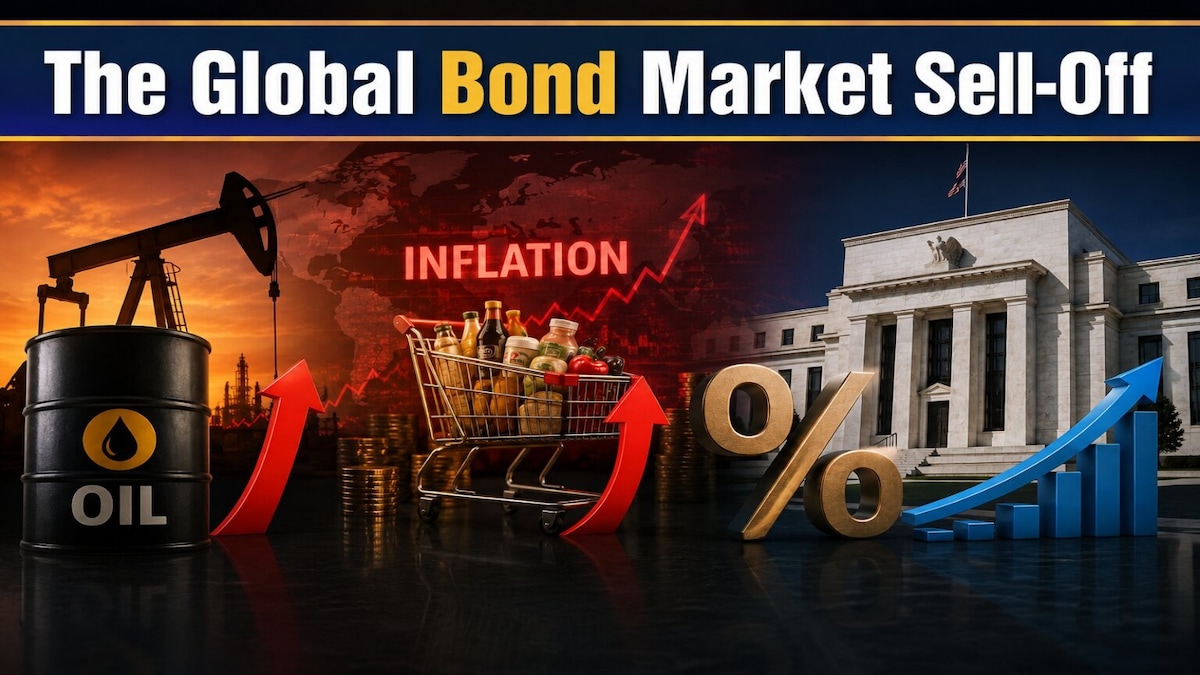
Brent Crude has now crossed the mark of $96 a barrel amidst renewed hostilities in West Asia, lack of traffic through the Strait of Hormuz despite repeated attempts by the Trump administration to suggest otherwise, and fears of a prolonged supply crisis in case the conflict, which is already in its seventh month, drags on further.
Why Are The Global Bond Yields Rising?
The US 10-year bond yield is now at 4.8%, levels last seen on January 14, 2025. Not just the US, bond yields across the UK, Germany, France and Japan have also surged to multi-year or even multi-decade highs.
Bond yields generally rise when investors demand greater compensation for inflation, fiscal risks and the possibility that interest rates remain higher for longer.
The rebound in US yields, despite the intervention by the US treasury shows that there are underlying issues that persist with their economy. The US national debt recently crossed $40 trillion for the first time ever, and Treasury Secretary Scott Bessent believes that Global growth is the only way to resolve this situation.
Yields in Japan on the 10-year note also crossed the 3% mark on Tuesday for the first time since 1996. Japan is the largest holder of US treasuries and latest data shows that they were net sellers of US government debt to salvage their currency against the US Dollar. The selling from major US treasury holders like China and Japan could further add pressure on US yields.
The Inflation Risk
The flare up in crude oil prices has added yet another layer to this quagmire. US Consumer Price Inflation has stayed above the Federal Reserve’s 2% target for 65 months in a row as of July 2026.
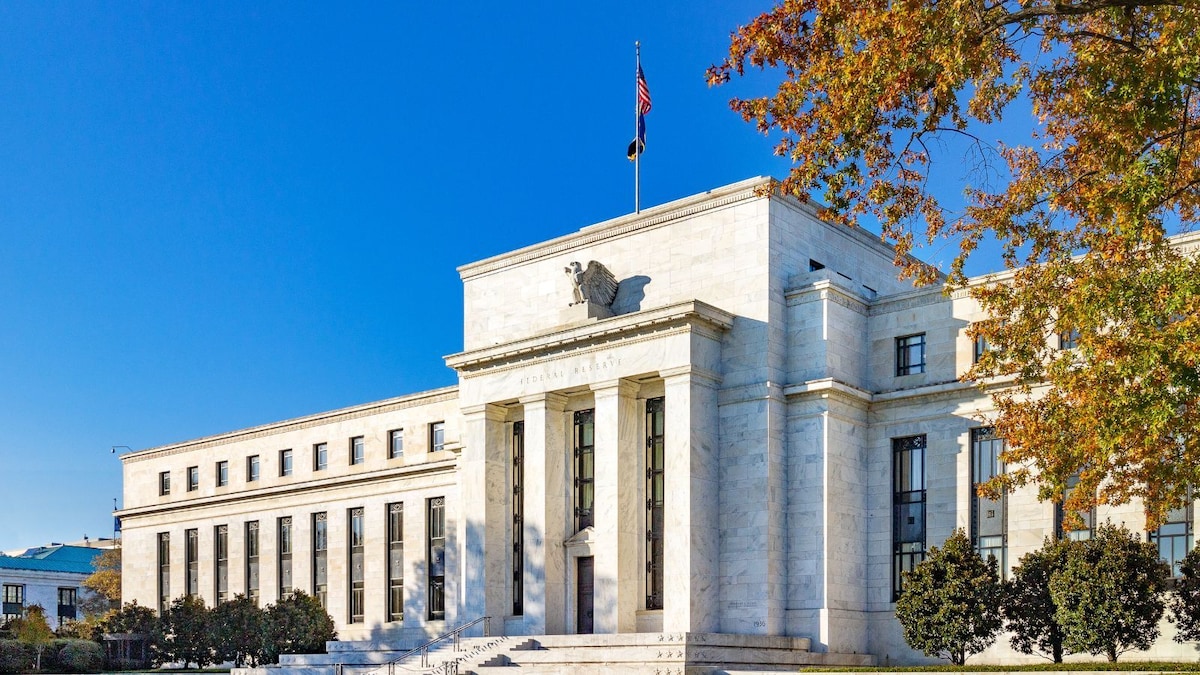
Fed Chair Kevin Warsh’s “We have got work to do” remark at the Jackson Hole symposium have put the chatter of a rate hike by the central bank in two weeks from now, back on the table. According to the CME FedWatch tool, the probability of a 25 basis points hike is now at 67%, from a 35% to 40% probability last week before Warsh’s address.
The US CPI figure for August will be reported next week and that will give the Fed a clearer picture as to whether the pricing pressures are here to persist, and are not just a one-off due to higher oil prices.
Why Are Higher Bond Yields Negative For Equities?
As government bond yields rise, it becomes more attractive in comparison to equities. Higher yields raise the discount rate used to value future corporate earnings, reducing the present value investors are willing to pay for those earnings. This contradicts high growth stocks, where valuation is dependent on profitability in the future.
However, the markets, at least on Wall Street, have not yet fully factored in the prospects of higher bond yields, as they continue to trade near record high levels.
Where Does India Stand In The Picture?
India does not feature in the list of countries that have seen a sustained sell-off in the bond markets. Although bond yields were up 11 basis points in August, the largest monthly increase in financial year 2027, they remain below the Iran war peak of nearly 7.2%.
Sustained intervention by the Reserve Bank of India has also resulted in the rupee seeing strength from the record lows of 96.96 that it had slumped to against the US Dollar earlier this year. The $70-plus billion received via the FCNR (B) deposits are also acting as a cushion. The only question is, with crude continuing to rise towards $100 a barrel, how long will this stability sustain?
The RBI has previously estimated that a 10% increase in global crude prices can raise inflation by around 20 basis points, although the actual pass-through depends on government policy and how much of the increase is absorbed by companies.
The rise in oil prices also does not bode well for majority of India Inc., which uses crude and crude derivatives as a key input material.
“EM had been able to hold its ground initially as G10 yields were rising, but we are now close to the threshold where EM will start to get jittery,” according to Paresh Upadhyaya of Pioneer Investments. “It is also not helping that we are seeing oil prices trend higher, leading to inflationary pressures.”
A combination of rising oil prices, bond yields and a potential weakening currency does not bode well for the equity markets either, with the benchmark Nifty 50 index having underperformed most of its global peers.
It remains to be seen whether any news of de-escalation could cool down oil prices and bond yields, or whether the bond markets have gone past reacting to just headlines and focus more on the structural headwinds that lie ahead.