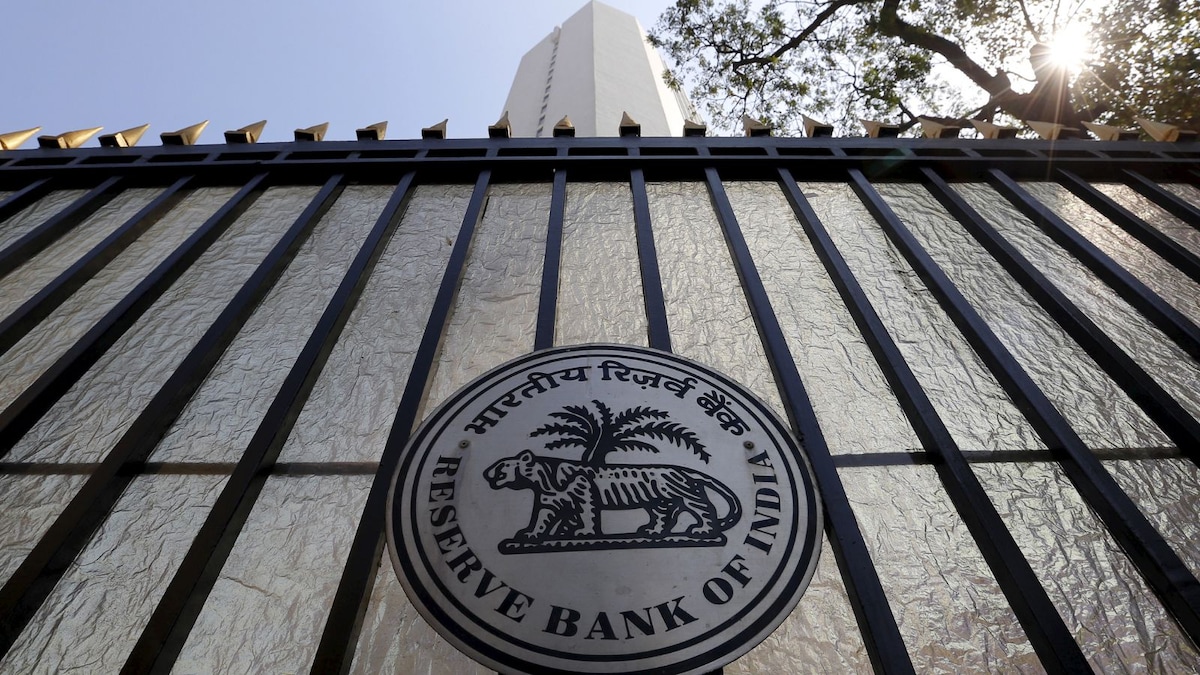
The submission comes in response to RBI’s draft Reserve Bank of India (Non-Banking Financial Companies – Credit Facilities) Amendment Directions, 2026, which proposes to restrict NBFCs from offering revolving credit products.
Under the draft, RBI has proposed defining revolving credit as any fund-based credit facility that does not meet the definition of a term loan. A term loan, meanwhile, would have to involve a fixed principal amount, a predetermined amortisation schedule and no restoration or replenishment of the sanctioned limit once principal is repaid.
The draft specifically states that NBFCs “shall only offer credit products which are like term loans and shall not offer any revolving credit products”, with an exception for NBFCs authorised by RBI to issue credit cards.
FIDC, in its August 27 submission to RBI, said several products offered by NBFCs may not strictly fit the proposed definition of a term loan but also do not function like credit cards or bank overdrafts.
It said such products include supply chain finance, working capital demand loans, secured and unsecured MSME loans, vehicle dealer loans, loans against securities, personal loans and products offered by fintech-focused NBFCs.
FIDC said these products are primarily used by MSMEs and individuals and that a “substantial” amount of credit outstanding could potentially be affected if the draft is implemented in its current form.
FIDC seeks distinction between redraw and evergreening
A key concern raised by FIDC is RBI’s proposed restriction on restoring or replenishing a sanctioned limit after repayment of principal. The industry body said borrowers using such facilities for working capital requirements could face higher interest costs and operational costs if they are forced to take multiple fresh term loans instead.
FIDC has therefore asked RBI to distinguish between restoration of repaid principal within an originally sanctioned facility and practices such as rollover, renewal or evergreening
“FIDC fully appreciates the regulatory objective of preventing perpetual or evergreen credit facilities, automatic renewal of credit without appropriate assessment, or fresh drawdowns being utilised to regularise overdue exposures,” the industry body said in its feedback letter.
It added that limited redraw should be permitted where the facility has a fixed sanctioned amount, predetermined amortisation schedule and fixed final maturity.
In its proposed modification to the draft, FIDC has asked RBI to permit restoration or replenishment of principal repaid ahead of the contractual schedule, subject to safeguards. “Provided that restoration/replenishment may be permitted to the extent of principal repaid in excess of the principal contractually due under the predetermined amortisation schedule.”
The proposed provision would also ensure that such redraws do not increase the original sanctioned amount, extend the original final maturity or operate when any amount under the facility is overdue, FIDC said.
FIDC flags impact on MSME working capital
FIDC said the proposed restriction could reduce flexibility for borrowers whose funding requirements fluctuate through the business cycle. It warned that if borrowers have to obtain full-term loans in advance to meet uncertain working capital requirements, they could end up carrying unnecessary interest costs. It also said borrowers may be discouraged from prepaying loans if doing so permanently removes their ability to access the repaid amount.
The industry body also flagged higher documentation, turnaround time, stamp duty and administrative costs if borrowers have to take multiple term loans to meet recurring working capital requirements.
FIDC further warned that shutting down such NBFC products could push smaller MSME and retail borrowers towards informal lenders, particularly where banks do not provide adequate access to working capital finance.
Supply chain finance, TReDS concerns
FIDC has made a specific case for supply chain finance, arguing that such facilities should not be treated as revolving credit.
It said these facilities typically involve a master exposure limit but individual, transaction-specific short-term loans tied to a procurement, invoice or identified supply-chain transaction. Each loan has its own maturity and is extinguished upon repayment, with fresh checks conducted for subsequent drawdowns.
FIDC has therefore asked RBI to clarify that such subsequent utilisation should not be considered restoration of the earlier loan or a revolving credit facility.
The industry body also warned that restrictions could affect NBFC factoring activity on the Trade Receivables Discounting System (TReDS), which provides financing to MSMEs against receivables.
“Upon prohibition of this facility, NBFCs would not be able to carry out factoring services on platforms such as TReDS to the detriment of MSMEs and others who get access to funds at very competitive rates,” FIDC said
FIDC seeks carve-out for loan against securities
FIDC has also sought continued permission for NBFCs to offer loan against securities facilities, subject to prudential safeguards. It has asked that NBFCs be allowed to offer such facilities with a fixed sanctioned ceiling and fixed contractual maturity, subject to applicable loan-to-value and margin requirements, mark-to-market monitoring and suspension of further drawdowns in case of a margin shortfall or overdue amount.
Overall, FIDC said its proposal is aimed at preventing perpetual credit lines, automatic renewals, maturity extensions and the use of fresh drawdowns to regularise stressed exposures, while allowing limited redraws within a defined contractual framework.
“FIDC respectfully requests RBI to not to treat limited redraw within a declining contractual ceiling, or a fresh transaction-specific loan within a master exposure limit, as equivalent to evergreening,” it said.
What RBI’s proposed rules seek to do
RBI’s draft framework proposes that NBFCs should offer only term-loan products, with a fixed principal amount, a predetermined amortisation schedule and a fixed final maturity. It seeks to prohibit facilities that allow the sanctioned limit to be restored or replenished after repayment, except for credit cards issued by NBFCs specifically authorised by RBI.
The proposal is intended to prevent perpetual credit lines, automatic renewals and the use of fresh drawdowns to evergreen or regularise stressed loans, while requiring NBFC lending products to have a clearly defined repayment structure and end date.
RBI’s draft is currently open for stakeholder feedback, with the central bank seeking comments before finalising the proposed framework.
Also Read: Just Dial’s cash pile is as much as its market cap, says report