India’s coinage evolved post-Independence, from the anna system to decimalisation in 1957, with the RBI Monetary Museum tracing these changes in desig…
 1/10
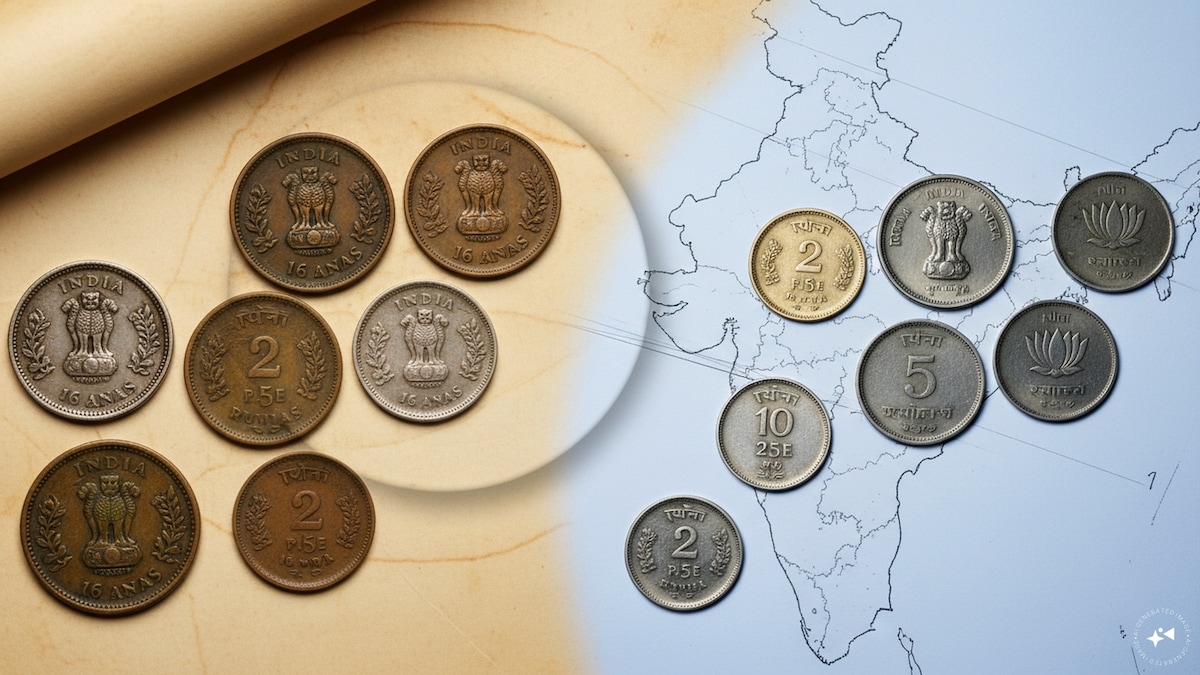
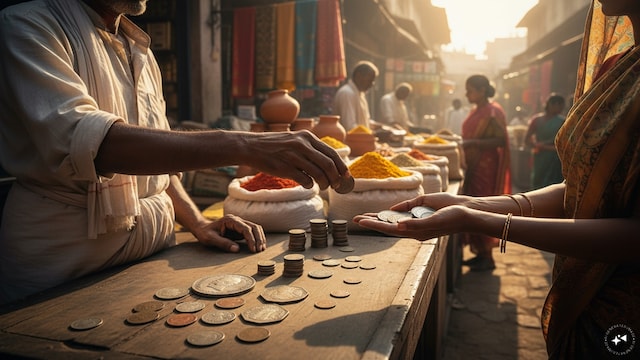
1/10When ₹1 meant 16 annas | After Independence in 1947, India initially retained the existing monetary system. ₹1 = 16 annas = 64 pice = 192 pies. The system remained in place during the transition to becoming a republic. India introduced its first distinctive coin series as a republic on August 15, 1950. The King’s portrait was replaced by the Lion Capital of the Ashoka Pillar, while the ₹1 coin carried a corn-sheaf motif.
 2/10
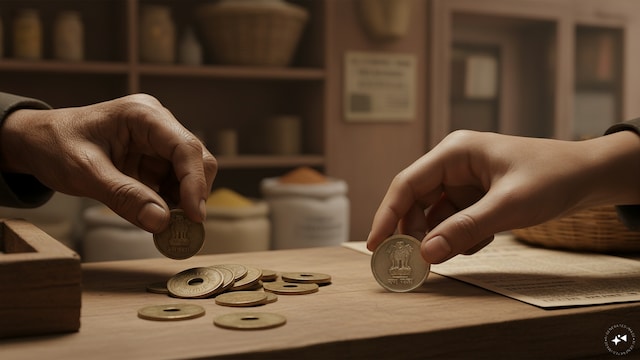
2/101957: India goes decimal | A major change came in 1957, when India moved to decimal coinage. The rupee remained unchanged in value but was divided into 100 paise instead of 16 annas. The new coins were initially called “Naya Paisa”. The word “Naya” was dropped from June 1, 1964, after which the coins were simply called paise.
 3/10
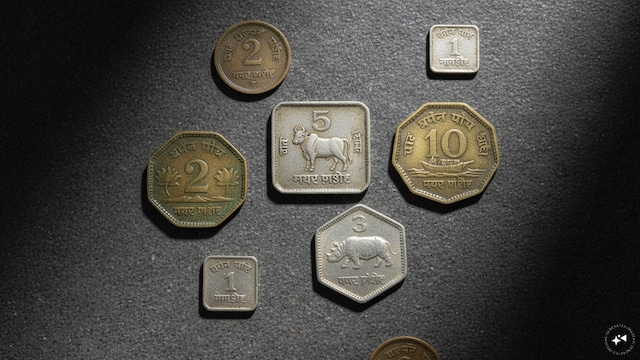
3/10Coins weren’t always round | Early decimal coins came in distinctive shapes. The 5 naye paise was square, while the 2 and 10 naye paise had scalloped edges. The 3 paise coin was hexagonal. As commodity prices rose, the metals used for small-denomination coins also changed. India used bronze, nickel-brass, cupro-nickel and aluminium alloys, among other materials.
 4/10
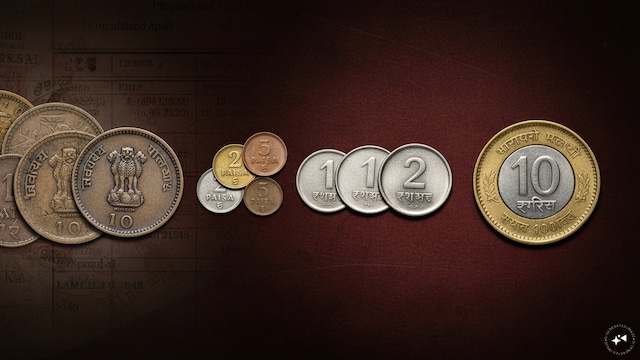
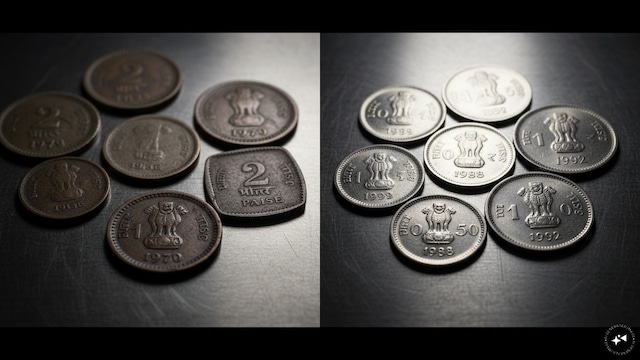
4/10The smallest coins disappear | The 1, 2 and 3 paise coins were gradually discontinued during the 1970s. India later introduced ferritic stainless steel coins of 10, 25 and 50 paise in 1988, followed by the ₹1 coin in 1992. The shift to stainless steel was part of the broader changes in coin manufacturing over time.
 5/10
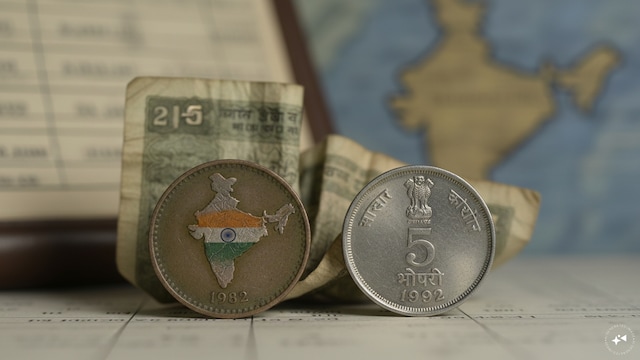
5/10₹2 and ₹5 become coins | India introduced a ₹2 coin in 1982, featuring the map of India superimposed with the national flag. A definitive ₹5 coin followed in 1992, supplementing paper currency. The 1990s also saw the gradual coinisation of ₹1, ₹2 and ₹5 denominations. The cost of managing currency notes was among the considerations behind the shift.
 6/10
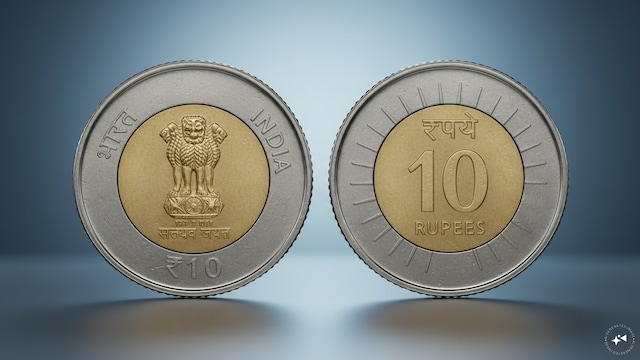
6/10The ₹10 coin gets two metals | The first decade of the 21st century brought several new coin designs. A major change was the introduction of the bimetallic ₹10 coin, using different metals for the centre and outer ring. The design also helped address concerns around counterfeiting. The decade saw several new varieties of definitive coinage put into circulation.
 7/10
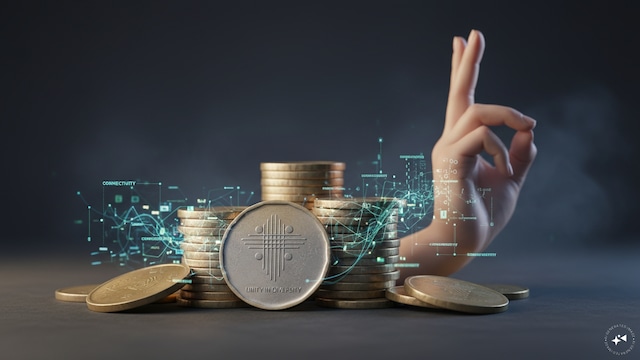
7/10Coins begin reflecting India | The 2000s brought coin series based on themes including Unity in Diversity, Nritya Mudra, connectivity and information technology. The Unity in Diversity series featured intersecting lines and four dots. The Nritya Mudra series used hand gestures, while later designs depicted connectivity and the flow of information.
 8/10
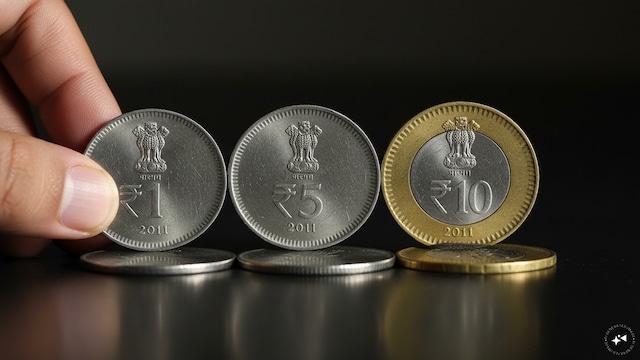
8/10The ₹ symbol arrives | The ₹ symbol was introduced on the 2011 coin series. It appeared on ₹1, ₹2 and ₹5 coins, while the ₹10 coin continued in bimetallic form. The new series also incorporated design features intended to make coins more accessible to visually challenged people.
 9/10
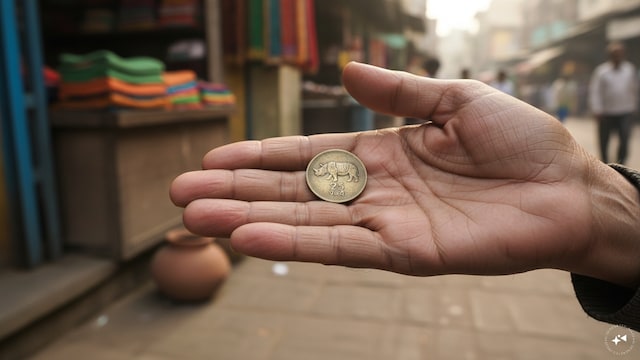
9/10Goodbye, 25 paise | The government decided to withdraw coins of 25 paise and below from circulation from the end of June 2011. These denominations ceased to be legal tender.
 10/10
10/10