“Valuations are extremely expensive. And government seems to be the smart one. We’ll get a list of investors who are not that smart today. Just watch out for that,” Arora said.
The government has priced past stake sales well: in 2017 it sold a stake at under ₹70 a share, and in 2021 at around ₹120. Both times the stock initially fell before recovering. The current OFS has a floor price of around ₹514 a share, about a 9.5% discount to the previous close.
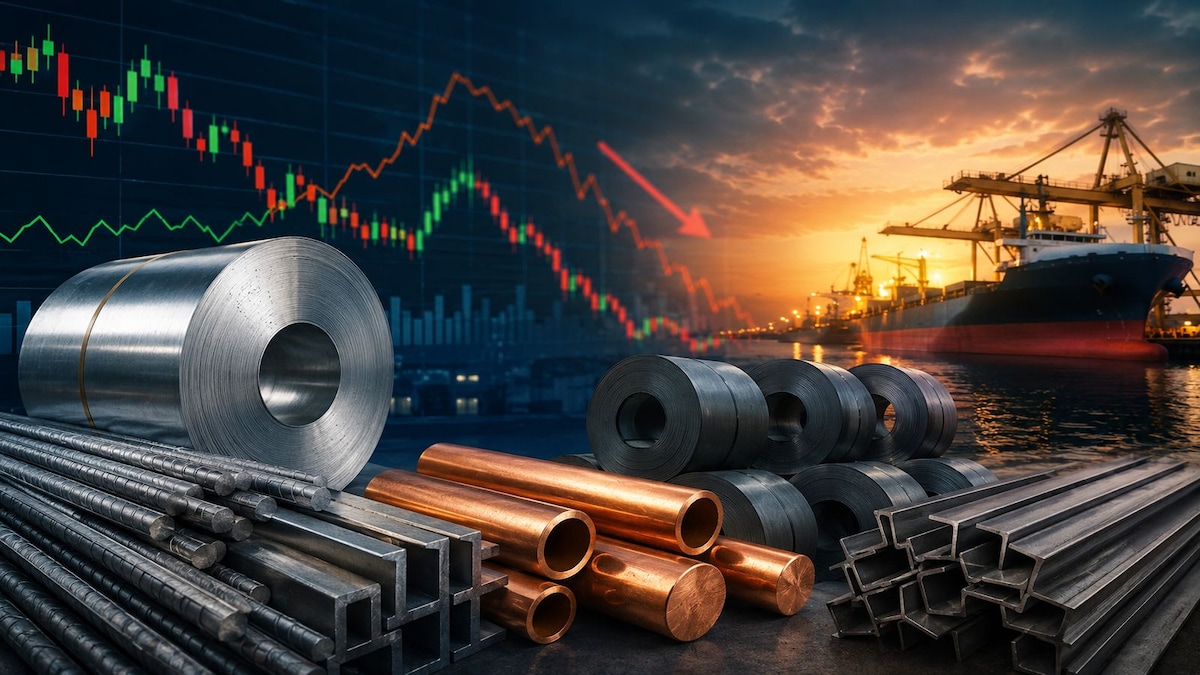
Arora expects aluminium prices to soften rather over the next six months as new supply comes from Indonesia and disrupted production in the West Asia returns. “I don’t see any real reason for aluminium to go back to that $3,600 a tonne. Most probably it will inch back to below $3,000 a tonne,” he said.
He expects supply to keep a lid on aluminium prices, with China also producing at high levels. Chinese exports of aluminium alloys, which do not face the 30% export tax imposed on pure aluminium, have been growing rapidly. This means additional supply is entering the market without necessarily showing up in warehouse inventories.
A possible pause in US interest rate hikes could weaken the dollar and provide some support to metals, but Arora does not see this changing the broader outlook.
Arora expects the ratio between alumina and aluminium prices to normalise from current lows near 10-11% to a range of 15-17%, as alumina settles between $330 and $350 a tonne and aluminium between $2,600 and $2,800 a tonne.
On steel, Arora is neutral heading into the July-September quarter, as coking coal costs have risen about $25 a tonne while steel prices remain roughly ₹1,000 a tonne below first-quarter levels. He expects this combination to squeeze steelmakers’ margins by around ₹1,500 a tonne in the second quarter.
Iron ore also faces pressure. International iron ore prices have remanied largely flat, while new supply from a long-awaited project in Guinea has started coming through. Arora expects prices to fall from around $105 a tonne to near $90 a tonne over the next six to eight months. This, he said, will weigh on companies like NMDC, which he described as trading in a tight range despite not being expensive.
One area where there could be an opportunity is iron ore pellets. He noted that pellet prices have risen from around ₹9,000 a tonne in the first quarter to ₹10,600 a tonne, which should benefit pellet producers such as Godawari Power and Ispat. He did not comment further on that stock specifically, citing his firm’s investor relations work for the company.
For the full interview, watch the accompanying video
Catch all the latest updates from the stock market here