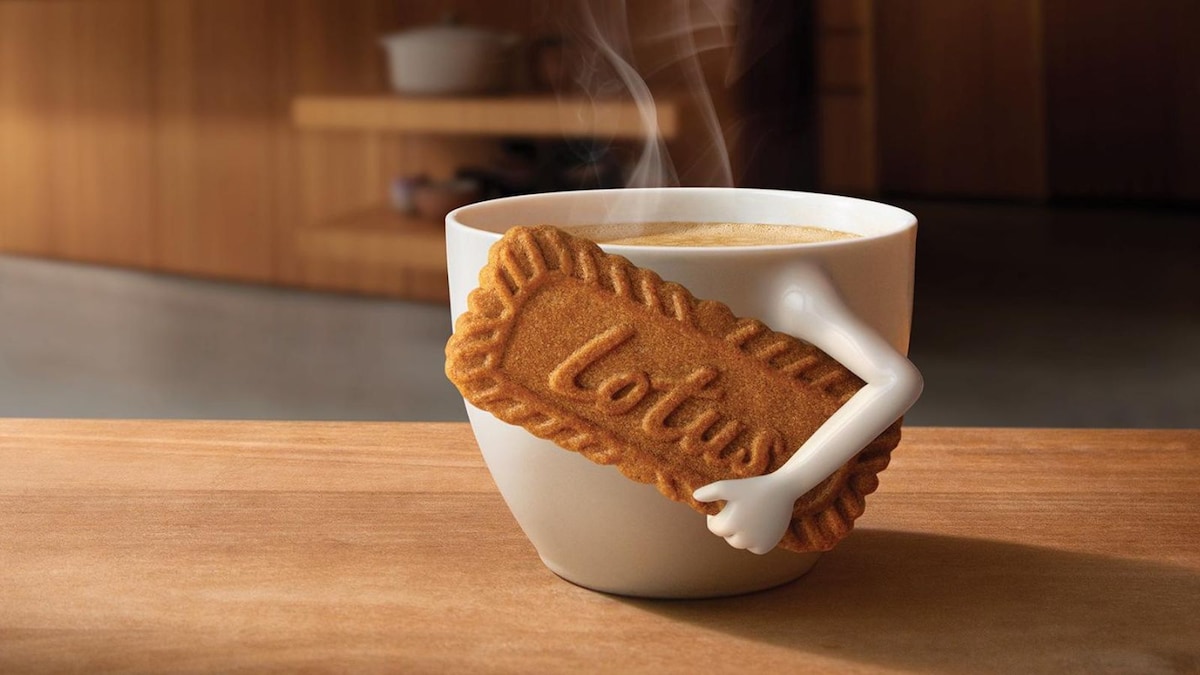
The stock has risen 47% so far this year, even as food and consumer staples companies have largely struggled worldwide. Biscoff is now among the world’s five best-selling biscuit brands by sales, according to the company’s latest annual report, while a TikTok-driven “Japanese cheesecake” trend featuring the caramelised biscuits has further boosted the brand’s visibility.
“You can compare it to Oreo when it was growing rapidly,” said Ignacio Canals Polo, an analyst at Bloomberg Intelligence. “People seem to like it everywhere they go. That’s the most important part to understand about Lotus Bakeries.”
Founded in 1932, Lotus Bakeries has steadily expanded Biscoff’s global footprint through partnerships, new manufacturing facilities, and product extensions. The company recently opened a factory in Thailand to serve Asian markets and has diversified into products including biscuit spreads, ice cream, and chocolates.
India has also become a key part of the company’s expansion strategy. In 2024, Lotus Bakeries entered into a strategic partnership with Mondelez International under which the Oreo and Cadbury maker will manufacture, market, distribute, and sell Biscoff biscuits in India, giving the Belgian company access to Mondelez’s extensive domestic distribution network while expanding its presence in one of the world’s largest biscuit markets. The partnership also includes the development of co-branded chocolate products for international markets.
The company’s rapid expansion has translated into strong financial growth. Revenue increased at an average annual rate of 17% between 2014 and 2024, according to Bloomberg Intelligence, as Biscoff gained popularity across global markets.
“Shareholders have been handsomely rewarded via a combination of dividends and share buybacks,” Ketan Patel, a fund manager at family office Whitefriars, which owns Lotus shares, told Bloomberg, adding that the company has increased its dividend annually for more than two decades.
Despite the stock’s strong run, analysts remain divided over its valuation. The shares trade at around 46 times expected earnings, more than double the MSCI World Food, Beverage and Tobacco Index and more than 20% above the company’s own average valuation over the past decade.
While most analysts maintain optimistic or neutral views, BNP Paribas analyst Mikheil Omanadze remains the only sell-equivalent rating tracked by Bloomberg. He has argued for more than two years that the company’s valuation premium is excessive and has warned that the growing use of GLP-1 weight-loss drugs and increasing scrutiny of ultra-processed foods could dampen demand for sweet snacks.
Lotus has sought to reduce that risk by expanding into healthier snacking. In 2015, it acquired the Bear, Trek, and Nakd brands, which now form its natural foods division and account for around a quarter of group revenue, according to its latest annual report.
“The challenge for the business will be how to keep on delivering double-digit growth in a global market that is highly competitive and has low barriers to entry,” Patel told Bloomberg. “A misstep on products, marketing, distribution, technology, et cetera, could derail the growth story.”