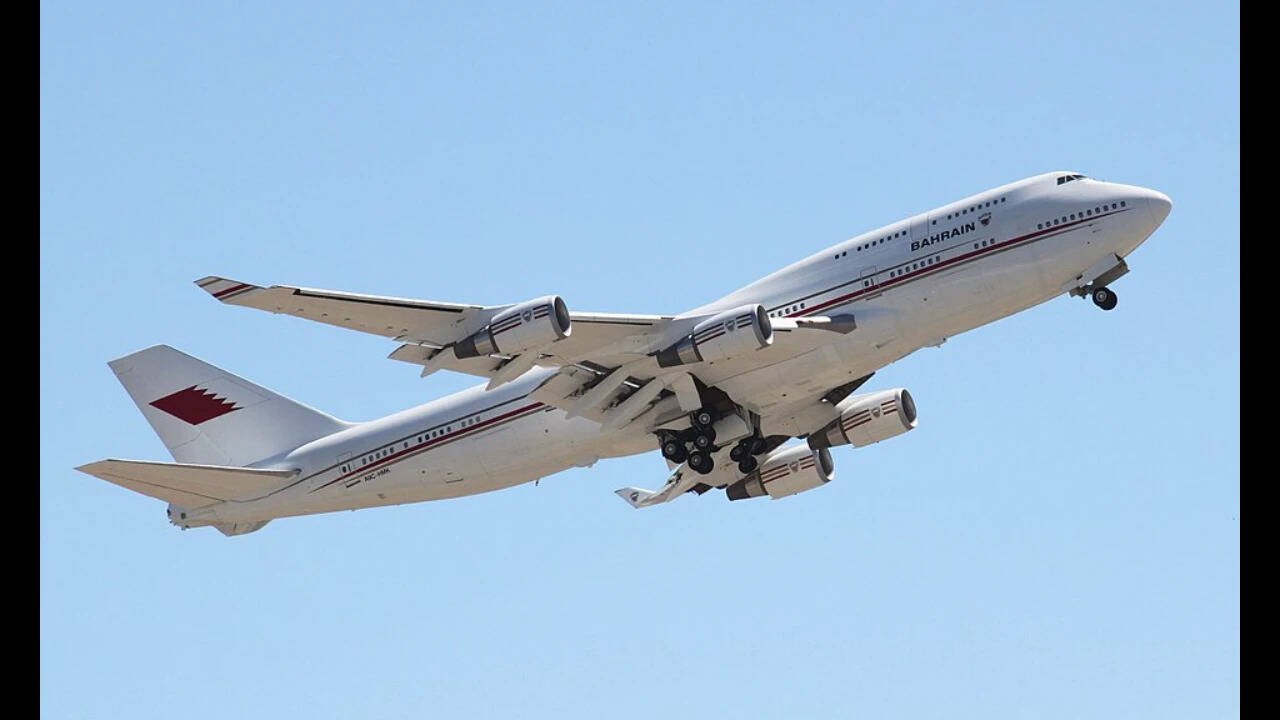
In June 2019, a Boeing 747 made an unusual final journey in Bahrain. Instead of heading to an aircraft graveyard, the 70-metre-long jumbo jet was towed out to sea and lowered onto the seabed to become the centrepiece of Dive Bahrain, a 100,000-square-metre underwater park. Bahrain turned a retired passenger aircraft into both a tourist attraction and an artificial marine structure.According to the Bahrain Ministry of Industry and Commerce, the underwater park was developed not only as a diving attraction but also as a site for marine research and environmental education. The Boeing 747 formed the centrepiece of the initial 100,000-square-metre park, while later phases were planned to add artificial reefs, sculptures and a replica of a traditional Bahraini pearl merchant’s house. These planned additions were intended to expand the site’s marine habitat while also connecting the attraction with Bahrain’s maritime heritage.From airport aircraft to artificial reefGetting a jumbo jet underwater was itself a considerable engineering exercise. The retired aircraft was prepared for submersion, transported to the purpose-built dive site and carefully lowered into the sea. Bahrain’s Ministry of Industry, Commerce and Tourism states that the Boeing 747, measuring 70 metres in length, was placed 20 to 22 metres below the surface north of Bahrain, becoming the first attraction in the 100,000-square-metre Dive Bahrain park. The aircraft was not simply placed on the seabed as a spectacle. Its large surfaces, openings and sheltered spaces also created hard surfaces that marine organisms could colonise, while fish and other species could use the structure for shelter.According to Frontiers in Marine Science, a global meta-analysis of 39 studies found that artificial reefs can support fish communities with levels of density, biomass, species richness and diversity comparable to those found on natural reefs. The researchers also stressed that their effectiveness depends on factors such as location and construction material. In Bahrain, this provides a useful context for the decision to combine the aircraft with other artificial structures across the dive park. Together, these features give the site a broader ecological role.A park built around more than a planeOn 8 September 2019, Dive Bahrain officially opened its 100,000-square-metre underwater site, with the submerged Boeing 747 serving as its first major attraction. The government said later phases would add a replica of a traditional Bahraini pearl merchant’s house, artificial coral reefs and other sculptures. These structures were intended to create new surfaces for marine organisms to colonise while giving divers more features to explore. The inclusion of the pearl merchant’s house was particularly fitting for Bahrain, whose maritime history is closely tied to pearl diving. The underwater park therefore combined an important part of the country’s heritage with a modern marine tourism attraction.The presence of artificial structures, however, does not by itself guarantee the development of a healthy coral ecosystem. Their location, materials, design and surrounding environmental conditions can all influence which organisms settle on them and how those communities develop. A review published in PLOS One found that artificial reefs can provide surfaces for coral recruitment and habitat for marine organisms, but their ecological outcomes vary considerably. The researchers also noted that many projects are either too small or monitored for too short a period to establish whether they deliver broader conservation benefits. For Dive Bahrain, this means the value of the park will depend not simply on what was placed on the seabed, but on how these structures function as habitat over time.
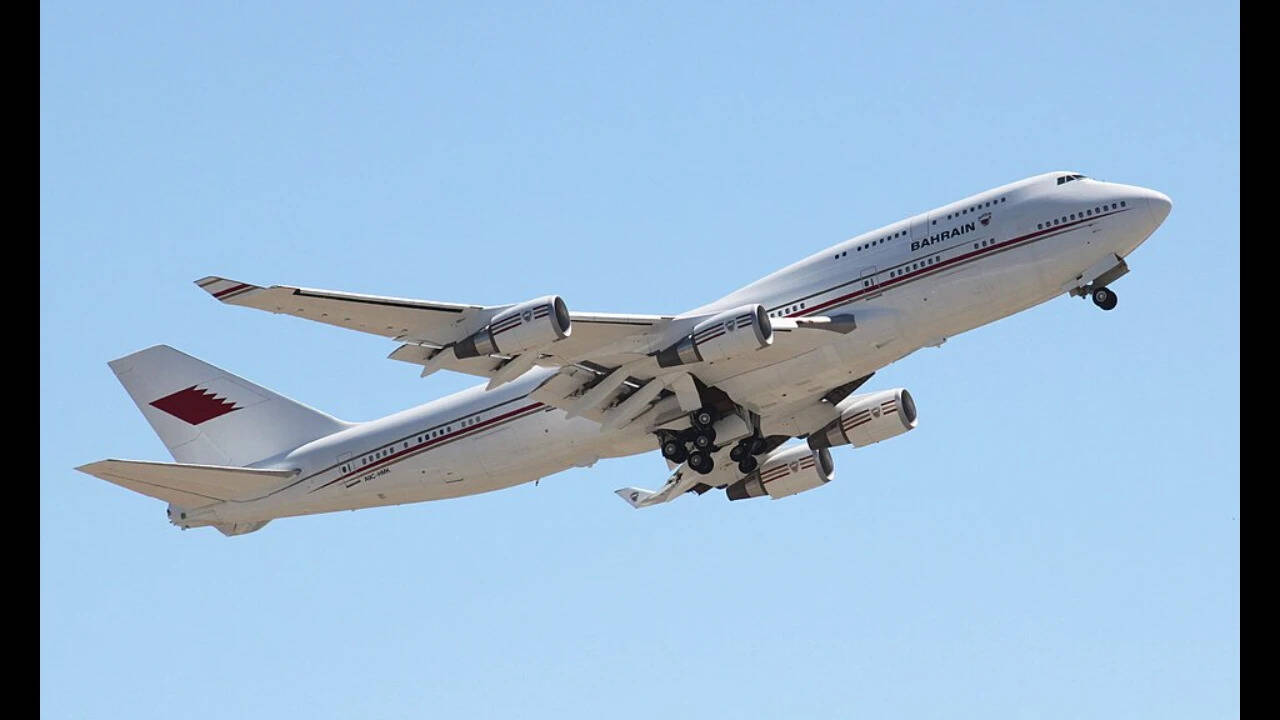
Bahrain Air Boeing 747. Image Credits: Wikimedia Commons.
From spectacle to long-term experimentBahrain’s environmental authorities said Dive Bahrain could support marine ecology and biology research while raising public awareness about conservation. By allowing divers to see how marine organisms colonise submerged structures, the site could also provide an accessible way to engage visitors with marine ecosystems. At the same time, the government viewed the project as a means of expanding diving tourism in Bahrain.The 747 therefore became more than a sunken aircraft. It formed the first part of a wider project intended to bring together tourism, environmental education and the development of artificial marine habitat. After spending its working life carrying passengers around the world, the aircraft was given a second purpose beneath the sea. Today, it stands at the centre of an underwater attraction where recreation and marine-focused development meet.