“Spot the leader, look at the opportunity. The opportunity is still kind of underpenetrated. Spot the leader and then ride the leader,” Shah said.
Here are eight key takeaways from his interaction:
New-age companies continue to deliver strong growth
Shah said digital platform companies have largely grown in strong double digits, with some reporting 20%-40% year-on-year growth. As these businesses scale, operating leverage is also becoming visible through expanding margins.
He believes the combination of strong growth, improving margins and dominant market positions remains an important investment opportunity.
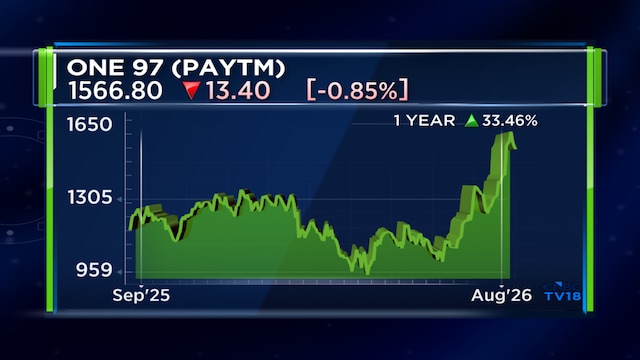
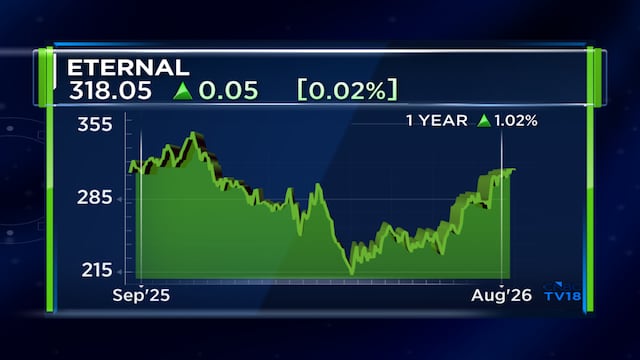
Shah said the firm owns Eternal (Zomato), FSN E-Commerce Ventures (Nykaa), Billionbrains Garage Ventures (Groww), Angel One, Lenskart Solutions, Cartrade Tech and One 97 Communications (Paytm). Its investment philosophy is to identify the leader in an underpenetrated market and participate in its long-term growth.
Eternal was a standout during earnings while Blinkit’s earlier break-even, he believes, was not a one-off as the business has continued to improve despite competition in e-commerce.
He also pointed to the healthy margin performance of Blinkit and Zomato despite expectations of pressure from higher oil prices and challenges in the restaurant business.
“To kind of continue to demonstrate and execute well, I think is something worth writing home about,” Shah said.
While most of these companies are no longer loss-making, some continue to reinvest in their businesses and therefore may not yet generate free cash, he noted.
Paytm’s core opportunity is beyond MDR
Shah remains positive on Paytm, which Envision Capital has owned for around two to two-and-a-half years. He believes the potential impact of merchant discount rate (MDR) on the business may be overstated.
Instead, he sees the merchant payments ecosystem built by Paytm over the years as the core opportunity. Its ability to distribute financial and credit products to its large merchant base remains central to the investment case.
“I still believe that the core of that business is around the merchants and the merchants payments ecosystem that they have built over all these years,” Shah said.
Valuations look different over a three-to-five-year horizon
While some new-age companies may appear expensive at current valuations, Shah believes the picture changes when they are viewed over three to five years.
If companies continue to grow at high double-digit rates, he expects more value to be created. He also sees opportunities beyond digital platforms, including direct-to-consumer companies in electric vehicles and beauty and personal care.
Rising supply of shares remains a key market concern
The increasing supply of paper through initial public offerings (IPOs), qualified institutional placements (QIPs) and selling by pre-IPO investors remains a worry for Shah. However, he believes continued systematic investment plan (SIP) flows are providing liquidity to absorb the supply.
He expects the pressure could continue for a few more months and possibly another year. Foreign portfolio investors could eventually help absorb some of the fresh issuance, but investors may have to deal with this cycle in the meantime.
Shah prefers to wait before buying newly listed stocks
Shah believes most companies coming to the market through IPOs are high-quality businesses. However, many are not cheap, particularly after strong performance in the quarters leading up to their listings.
His preferred approach is to watch these companies, continue doing the homework and build conviction. A correction or a weaker quarter a few quarters after listing could provide a better opportunity to enter.
For Shah, who is selling shares is less important than the quality of the underlying business. He said long-term investors should focus on business performance, balance-sheet strength and governance.
However, he makes a distinction between private equity and promoter selling. PE funds are financial investors who eventually need to realise their gains, while promoter selling can be a bigger concern because promoters are strategic and permanent owners.
Watch the full conversation here

Catch all the latest updates from the stock market here