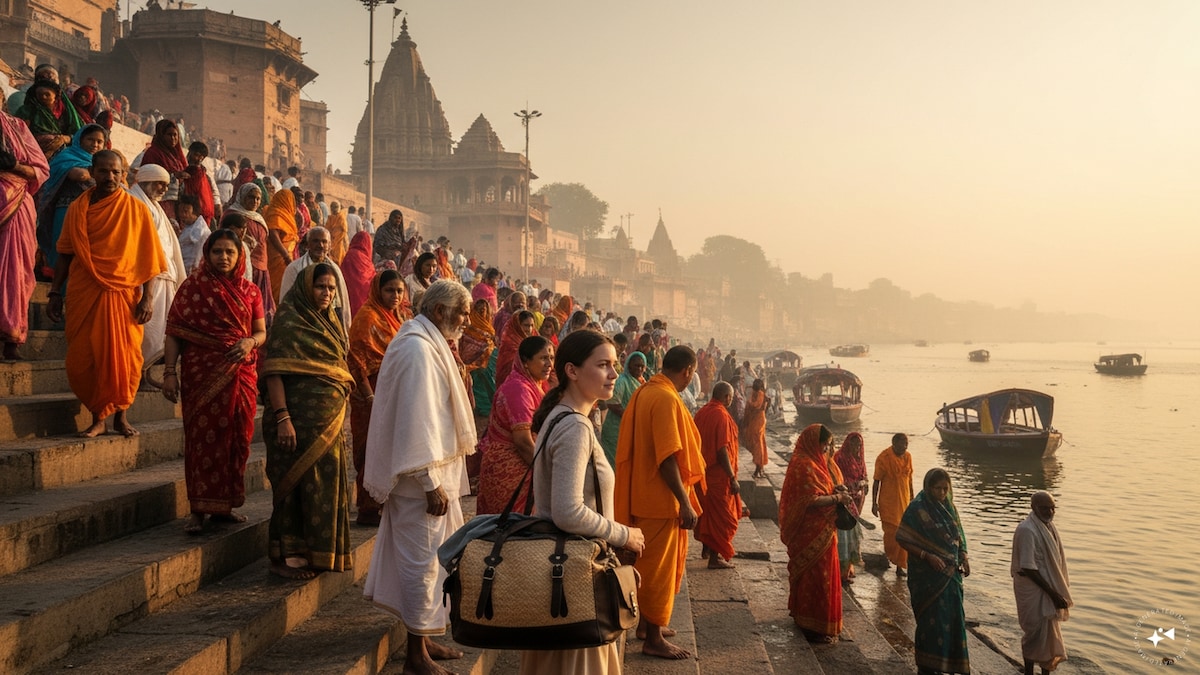
This shift is reflected in travel data.
According to Cleartrip’s PeekABoo Trends Tracker, pilgrimage destinations have recorded strong booking growth this year, with the Amarnath Yatra, Char Dham circuit and several festival-led destinations seeing increased demand across flights, hotels and buses.
Among the emerging trends, flight bookings by female solo travellers for the Amarnath Yatra rose 20% year-on-year, while Dwarka saw a 37% increase in bookings by solo women travellers.
As pilgrimage travel becomes more organised and diverse, insurance experts say travellers should also consider the financial risks associated with such journeys.
Pilgrimages present unique travel risks
Unlike a conventional leisure holiday, many pilgrimages involve long road journeys, remote destinations, difficult terrain, unpredictable weather and physically demanding itineraries.
Medical emergencies are among the most common concerns, particularly for senior citizens and travellers visiting high-altitude locations. At the same time, weather disruptions, road closures, overcrowding, missed connections and baggage-related issues can also disrupt travel plans.
“Pilgrimage travel is more susceptible to trip disruptions caused by weather, road closures, overcrowding, missed connections and baggage-related incidents. Unlike leisure travel, these journeys often follow fixed schedules and specific routes, making disruptions more difficult to manage,” said Ram Patrudu, Co-Founder of Trovity & Mad Over Insurance, an insurtech firm based in Hyderabad.
He added that travellers should first understand the protection they already have through existing insurance policies before purchasing additional cover.
Why domestic travel insurance remains an afterthought
While travel insurance is widely considered for overseas trips, domestic travellers often continue to treat it as an optional add-on.
“Awareness around travel insurance has improved, but adoption still remains relatively low for domestic travel. Many travellers opt for it only if it is offered during the booking process,” Patrudu said.
He added that travellers today are increasingly looking for services such as emergency assistance and quicker claims support, rather than viewing insurance purely as financial compensation.
What travellers should look for before buying a policy
Experts say the type of insurance required depends on factors such as the destination, duration of travel, terrain, weather conditions and the traveller’s health profile.
Before buying a policy, travellers should review whether they already have coverage through health insurance, employer-provided benefits or other financial products. Understanding the scope of existing cover can help identify protection gaps and avoid purchasing overlapping policies.
Depending on the insurer and policy, travel insurance may cover emergency medical expenses, accidental injuries, hospitalisation, emergency evacuation, trip delays, missed connections and loss of checked-in baggage or personal belongings.
However, coverage varies across insurers and products. Travellers should read the policy wording carefully, as exclusions may apply to pre-existing medical conditions, routine medical treatment, negligence, or activities specifically excluded under the policy. Claims related to trip cancellations or weather disruptions may also be subject to specified conditions and may not apply in all situations.
Experts also recommend checking the claims process, emergency assistance services and policy exclusions before starting the journey, particularly for pilgrimages involving remote locations or high-altitude routes where access to medical facilities may be limited.