
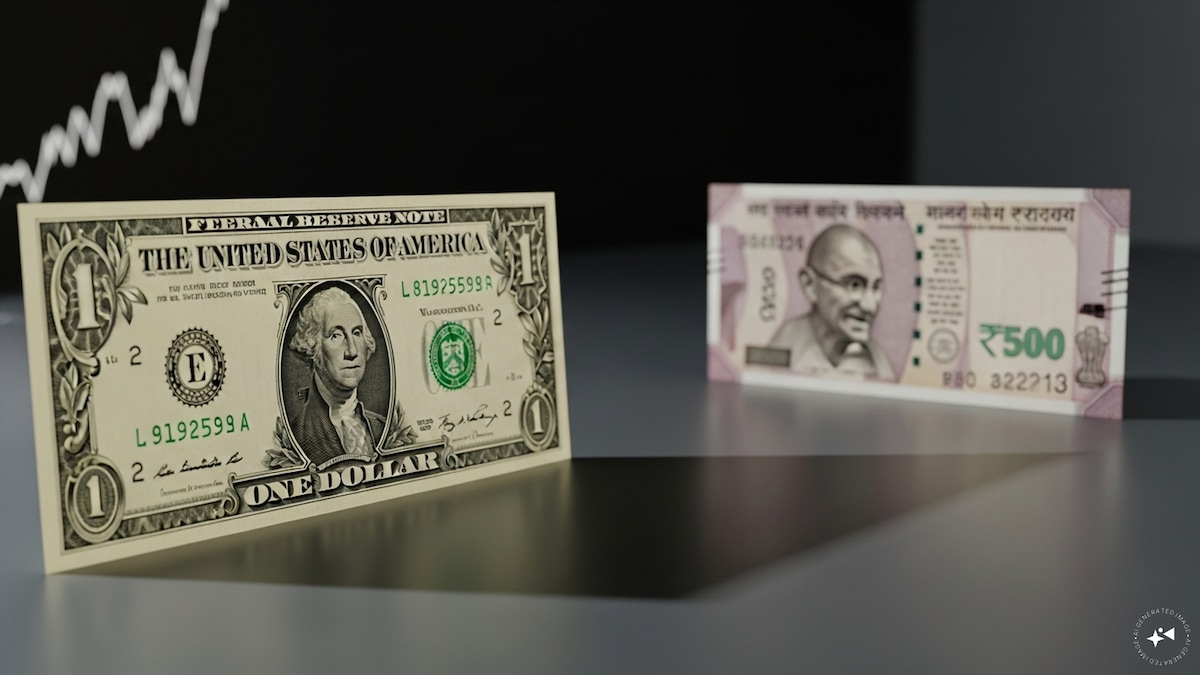
The rupee’s recent recovery, supported by lower crude oil prices and measures by the Reserve Bank of India, faced renewed pressure this week after the Federal Reserve adopted a more hawkish stance at its latest policy meeting.
Analysts have since revised their outlook, with expectations shifting from no rate hikes to the possibility of one or two increases later this year.
Despite a sharp decline in global oil prices, the rupee has remained under pressure. Market participants noted that easing concerns over disruptions in the Strait of Hormuz, with more stranded tankers expected to move through the route, helped keep crude prices lower.
Brent crude traded below $77 per barrel, extending its monthly decline to around 16.5%.
Currency traders said oil prices are no longer the primary factor influencing the rupee’s movement.
“The dollar’s strength and recurring risk-off sentiment across Asian and US markets are now driving the rupee more than crude oil,” a trader at a private bank said.
Traders also pointed to improving foreign exchange flows, citing a rise in foreign debt inflows and a moderation in equity outflows, which could offer some support to the domestic currency.
Meanwhile, the dollar index extended its rally as investors sought safety following a sell-off in technology stocks and adjusted positions for the possibility of higher US interest rates. The index rose to 101.44, its highest level since May last year, and has gained about 2.5% so far this month.
MUFG Bank said in a note that foreign exchange markets remain driven by relative interest rate expectations, adding that the dollar could strengthen further if US rate expectations stay elevated.
-With Reuters inputs