
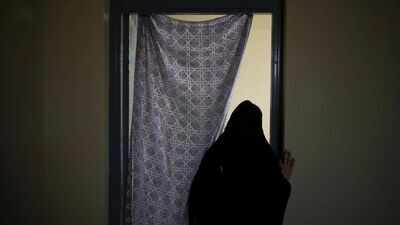
Businesses in Afghanistan’s western city of Herat are witnessing a sharp decline in customers as women increasingly avoid public spaces following a recent Taliban crackdown on dress code violations, according to shopkeepers, drivers and residents.In early June, the Taliban government’s morality police detained dozens of women accused of failing to wear the body-covering chador or burqa, prompting widespread fear. A rare protest against the restrictions was violently dispersed, leaving at least two people dead, according to the United Nations.Many women told AFP they have since stopped going out except when absolutely necessary, fearing they could be stopped by officers from the Ministry for the Propagation of Virtue and the Prevention of Vice (PVPV).Markets feel the impact as female shoppers disappearHerat, one of Afghanistan’s largest commercial hubs, has traditionally relied on women as its primary shoppers. Local traders say their absence has dealt a severe blow to business.“Since those incidents occurred, there were no women in the markets,” said Ramin Ghafoori, a 26-year-old tailor. Summing up the crisis facing Herat’s businesses, he told AFP, “The bazaar revolves around women. If there is no woman, there is no bazaar.”The decline in women venturing outside rippled across Herat’s local economy as drivers, restaurants and small businesses have also been affected.Restrictions continue to reshape Afghan societySince returning to power in 2021, the Taliban have imposed sweeping restrictions on women’s participation in public life. Women have been barred from studying beyond primary school, excluded from many professions and prohibited from visiting parks and other public spaces.The measures have transformed Herat, once regarded as Afghanistan’s cultural capital, where female university students once outnumbered men.Economic goals face growing challengesWhile Taliban authorities have pledged to strengthen Afghanistan’s economy and reduce dependence on foreign aid, economists argue that sustainable growth will be difficult without women’s participation in the workforce and marketplace.The country is already facing a deep humanitarian crisis, worsened by cuts in international assistance and the return of millions of Afghans from neighbouring Iran and Pakistan.The United Nations previously estimated that restrictions excluding women from economic life could cost Afghanistan around $1 billion annually.