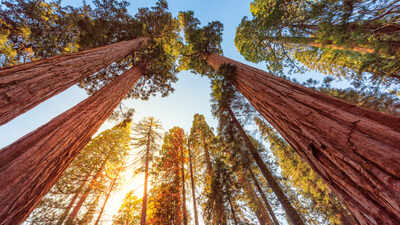
Flora and fauna have been an integral part of nature and its exisence. And every story of their survial in the wild is a reminder that nature knows it all. One of the rarest stories of survival is of a rare variety of trees that have been surviving for decades not because of soil and rain but fire. Yes, you read it right. We are talking about Giant Sequoias, giant trees that have survived for thousands of years thanks to fire. It is reported that these giant trees, some of the oldest and biggest living things on earth, evolved in landscapes where occasional low-intensity fires burned away the undergrowth, opened their cones and created ideal conditions for seedlings to take hold. But wildfires today are behaving differently than they did in the past—and the consequences are proving catastrophic. Scroll down to read the details.
What is the buzz about
A new study published in the journal Fire Ecology says California’s giant sequoias are facing an unprecedented crisis. Since 2015, about 17% of all mature giant sequoias have perished in wildfires, with most of those losses happening in the catastrophic megafires of 2020 and 2021. The results come from the Giant Sequoia Lands Coalition (GSLC) and paint a bleak picture of how climate change and more intense wildfires threaten one of the world’s most iconic tree species.
Giant Sequoias and fire
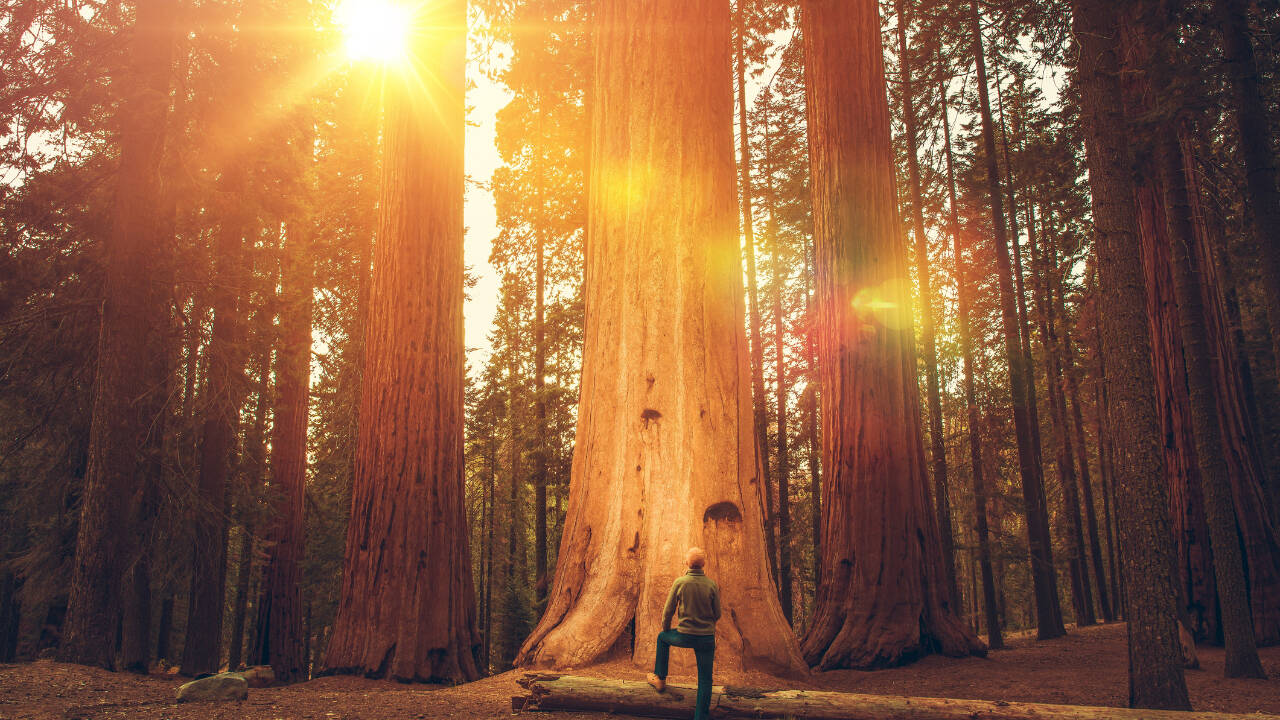
All these years we have always read that soil and water helps nourish plants and trees and many species of trees are damaged by fire. But when it comes to the giant sequoias, the story is totally diffrent. According to experts, low- to moderate-intensity fires are important for clearing dense vegetation, recycling nutrients back into the ground and exposing mineral-rich ground where sequoia seeds can grow. The heat from the fires also helps to open the trees’ woody cones, releasing thousands of seeds. For centuries, this natural cycle enabled giant sequoias to regenerate and flourish throughout California’s Sierra Nevada Mountains. But, today the modern wildfires are not the same as the natural fires these trees evolved with and that is leading to major damage in the ecology of Giant Sequoias.
When the fire is too much
When the fire is too much
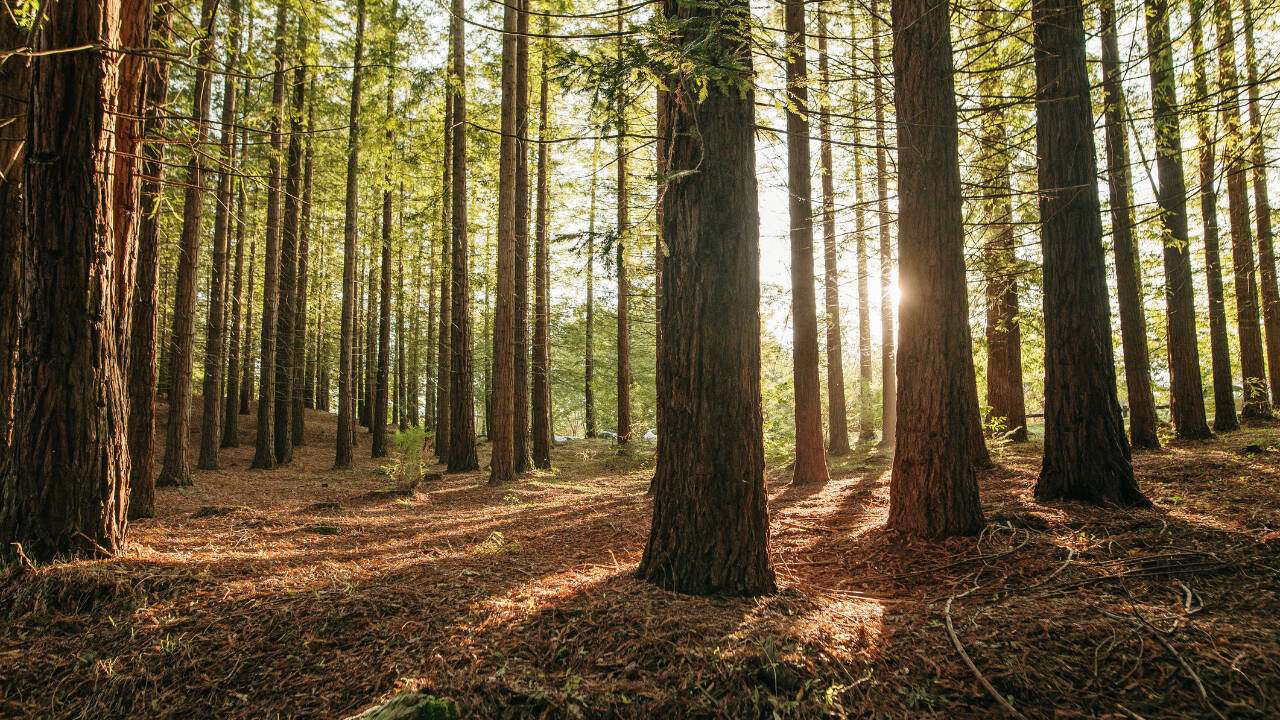
According to scientists, today’s megafires are burning so fiercely that they are killing even these fire-adapted giants.In some cases the fires have been so intense that even this fire-loving species isn’t regenerating.” said Dr. Kristen Shive, assistant professor of cooperative extension at the University of California, Berkeley, who led the study for the GSLC. The report, “The State of the Giant Sequoias: Losses, Risks and Opportunities,” warns that severe fires have killed mature trees and prevented new seedlings from growing, placing some 13% of the remaining sequoia range at risk of local extinction.
Most groves remain vulnerable
According to the study, researchers have examined the condition of giant sequoia groves across California and how well they might survive extreme wildfires in the future. And the results indicate that only 26% of the current sequoia grove area is highly resistant to intense wildfires. The other groves were classified as: moderate resistance 38%, 2% with low resistance, 2% with low resistance, and 16% with very little resistance. Over 18% of the grove area has been lost to high intensity fires since 1984. And if experts are to be believed, the most disturbing is that nearly all of the recent losses have occurred in the last decade alone, a sign of how quickly conditions have changed for wildfires.
Climate change is worsening the threat
Climate change is worsening the threat
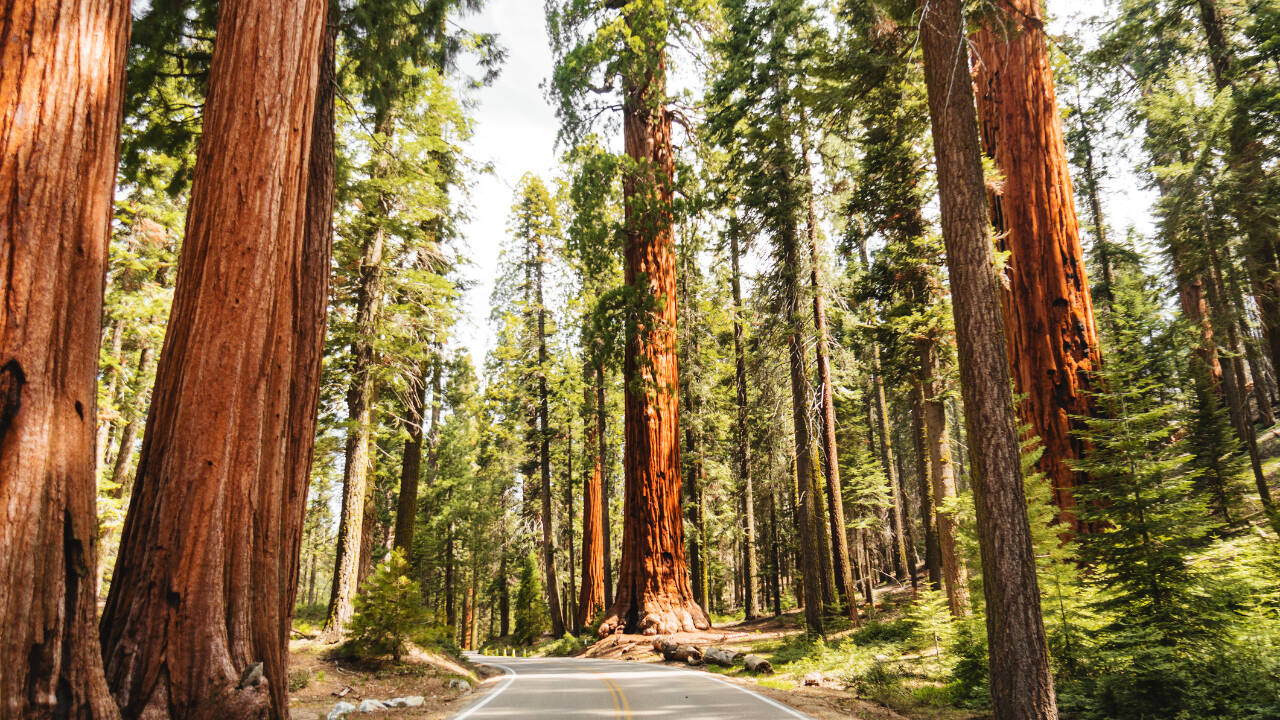
The study additionally emphasizes the increasing role of climate change in heightening the risk of wildfires. It is reported that the Sierra region of California experienced its warmest winter on record in 2025-26, resulting in a snowpack that was well below normal. There’s less snow, which means forests are drier and more likely to burn in devastating fires because giant sequoias rely so much on snowmelt for water. Scientists are saying that these conditions for wildfires could grow even more precarious, with 2026 likely to be another extremely warm year. That compounds the concern, as researchers have found that 82% of the giant sequoia range burned in the last decade, compared to just 24% between 1910 and 2014.
Restoration bringing hope
Still, conservationists believe that many of the groves left still have time to be saved, even with the worrying findings. The Giant Sequoia Lands Coalition, which was formed in the wake of the destructive fire seasons of 2020 and 2021, brings together federal, state, Tribal and nonprofit organizations to coordinate restoration across the sequoia range. Restoration work has been carried out in 44 of the remaining 94 giant sequoia groves since 2022, and these include: controlled burns to reduce excess forest fuel, resilience treatments and forest thinning, planting native redwood seedlings, and monitoring of areas with poor natural regeneration.It is reported that the coalition restored 4,508 acres in 25 groves in 2025 alone. If experts are to be believed, the new research is a warning and a roadmap. Without urgent restoration, one of the planet’s oldest living species may continue to fail. But with concerted conservation efforts, there is still hope.Images Courtesy: istock