Within weeks of the government notifying 100% foreign direct investment (FDI) in insurance under the automatic route, global insurers and financial majors have accelerated their India plans through fresh joint ventures, stake hikes, acquisitions and exploratory discussions.
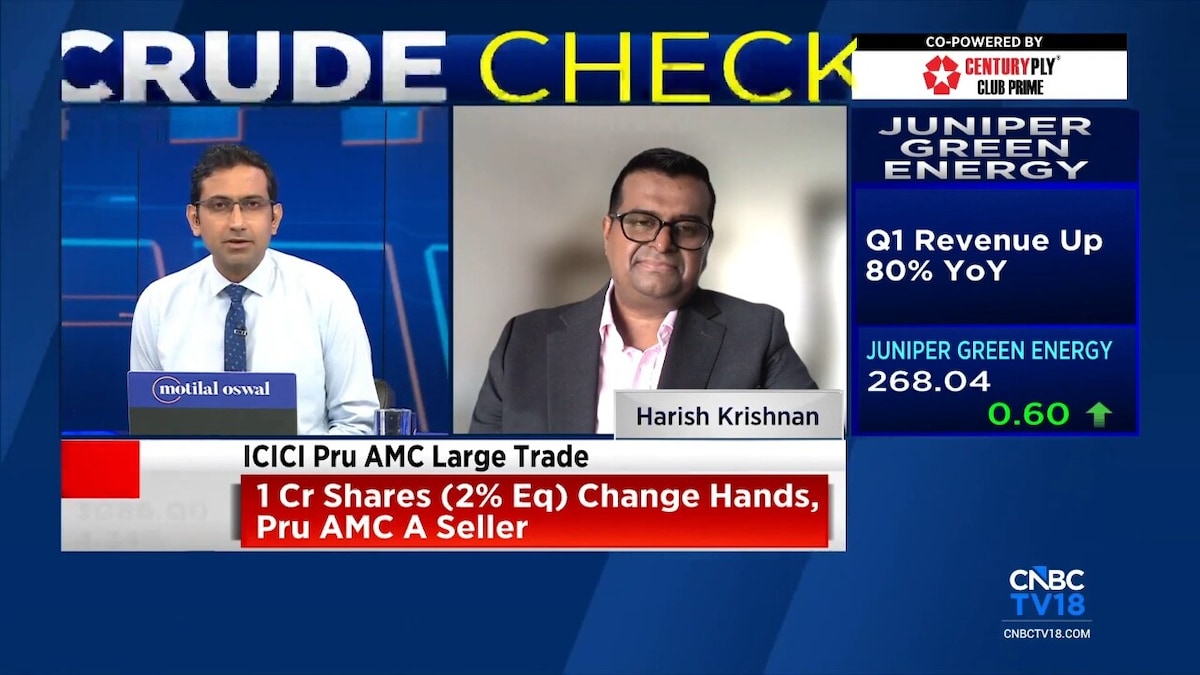
Germany’s Allianz has entered into a 50:50 insurance joint venture with Reliance Industries-backed Jio Financial Services across life, general and reinsurance businesses. UK-based Prudential plc is acquiring a 75% stake in Bharti Life Insurance in a deal valued at nearly ₹4,200 crore, while simultaneously monetising part of its stake in ICICI Prudential Life Insurance to redeploy capital into India’s next phase of growth.
Sources also indicate HSBC is evaluating a higher stake in Canara HSBC Life Insurance, while South Korean financial giants including Samsung Fire & Marine Insurance, Mirae Asset Financial Group and Hyundai Marine & Fire Insurance are exploring entry opportunities into India’s insurance market.
The renewed interest comes after the Centre operationalised 100% FDI in the insurance sector, allowing complete foreign ownership under the automatic route, subject to IRDAI approvals and regulatory safeguards.
The message from global insurers is clear: India is now among the most attractive underpenetrated insurance markets globally.
Why India is suddenly a global insurance hotspot
The biggest trigger is policy certainty.
The government first announced the intent to raise the insurance FDI cap from 74% to 100% in Budget 2025. Parliament later cleared the “Sabka Bima Sabki Raksha” amendments, and the rules have now been operationalised.
More importantly, the new framework significantly eases management control norms for foreign investors and for global insurers, that changes the economics of India entirely.
Earlier, many foreign partners remained minority economic owners with limited operational flexibility. Now they can either fully own Indian insurance businesses or sharply increase strategic control.
The timing is also critical because India remains dramatically underinsured relative to global standards.
Insurance penetration in India stood at around 3.7%-3.8% of GDP in 2024, according to Swiss Re estimates cited in legislative discussions, far below the global average of nearly 7%.
Insurance density measured as premium per capita also remains low and hence the addressable market is enormous.
India is the world’s most populous country, has a rapidly formalising economy, rising middle-class incomes, growing awareness around financial protection and one of the fastest-growing healthcare expenditure curves globally.
That creates a multi-decade growth runway for insurers across life, health, pension, annuity, motor and reinsurance businesses.
The scale of the opportunity
India currently has around 74 insurance companies across life, general and standalone health segments.
But penetration levels suggest the market can support significantly more players.
Industry estimates suggest India’s insurance sector could more than double in size over the next decade if premium growth continues in the low-to-mid teens.
For foreign insurers, the attraction lies not only in premium growth but also in embedded value creation.
Private Indian insurers have historically commanded premium valuations because of their distribution reach, bancassurance partnerships and long-term persistency metrics. Foreign players entering India now are effectively buying access to a market where protection products remain massively underdistributed.
The government’s ‘Insurance for All by 2047’ vision has further strengthened investor confidence. The IRDAI has been aggressively pushing reforms around:
The regulator’s long-term objective is universal insurance access by the year 2047
Why foreign players prefer partnerships over greenfield entry
Even with 100% FDI now allowed, most global insurers are unlikely to build India businesses from scratch.
Distribution remains the single biggest moat in Indian insurance.
Large incumbent insurers already control:
-
extensive bancassurance networks,
-
tied agents,
-
digital ecosystems,
-
and deep customer trust built over decades.
That explains why strategic alliances and acquisitions are becoming the preferred route.
The Allianz-Jio partnership, for instance, combines Allianz’s global underwriting expertise with Jio’s massive digital and retail ecosystem.
Similarly, Prudential’s Bharti transaction reflects a broader trend where global insurers are willing to pay for established Indian distribution infrastructure rather than spend years building it organically.
Analysts say this could trigger a fresh consolidation cycle in the insurance industry.
Smaller insurers struggling with scale economics may become acquisition targets, while foreign players could look to buy out Indian partners in existing joint ventures.
What 100% FDI could mean for the sector
The implications could be far-reaching.
1. Higher Capital Inflows
Insurance is a capital-intensive business. Full foreign ownership could unlock billions of dollars in fresh capital over the next few years.
That capital can help insurers:
2. More Competition
Global insurers entering India will intensify competition in:
-
pricing
-
claims servicing
-
digital underwriting
-
embedded insurance
-
and customer experience.
Consumers could benefit through lower costs and wider product innovation.
3. Reinsurance Capacity Expansion
India’s reinsurance market remains underdeveloped relative to the size of economic risk.
New global reinsurance entrants can deepen catastrophe coverage, industrial risk underwriting and specialised insurance capacity especially important as climate-linked losses rise.
4. Technology & Product Innovation
Global insurers bring advanced actuarial capabilities, AI-led underwriting models and data-driven claims systems.
India’s insurance sector still has large efficiency gaps in claims processing and fraud analytics, areas where foreign expertise could accelerate modernisation.
But challenges remain
Despite the optimism, India’s insurance market is not an easy one to crack.
Profitability in several segments especially health insurance remains volatile due to rising claims ratios and intense price competition.
Customer acquisition costs remain high, while persistency rates in parts of the life insurance industry continue to fluctuate.
Moreover, foreign insurers may discover that scale in India requires patience. Insurance is fundamentally a long-duration business, and meaningful profitability often takes years.
The big picture
The significance of the 100% FDI reform lies beyond ownership limits.
It signals that India is positioning insurance as a strategic long-term financial infrastructure sector similar to banking, asset management and pensions.
Global insurers are responding accordingly.
The Allianz-Jio alliance, Prudential’s restructuring moves and rising interest from HSBC and Korean financial groups may only be the beginning of a broader wave of foreign capital into India’s insurance ecosystem.
For a country where insurance penetration still remains below global averages, the next decade could see one of the largest expansions of financial protection coverage anywhere in the world.