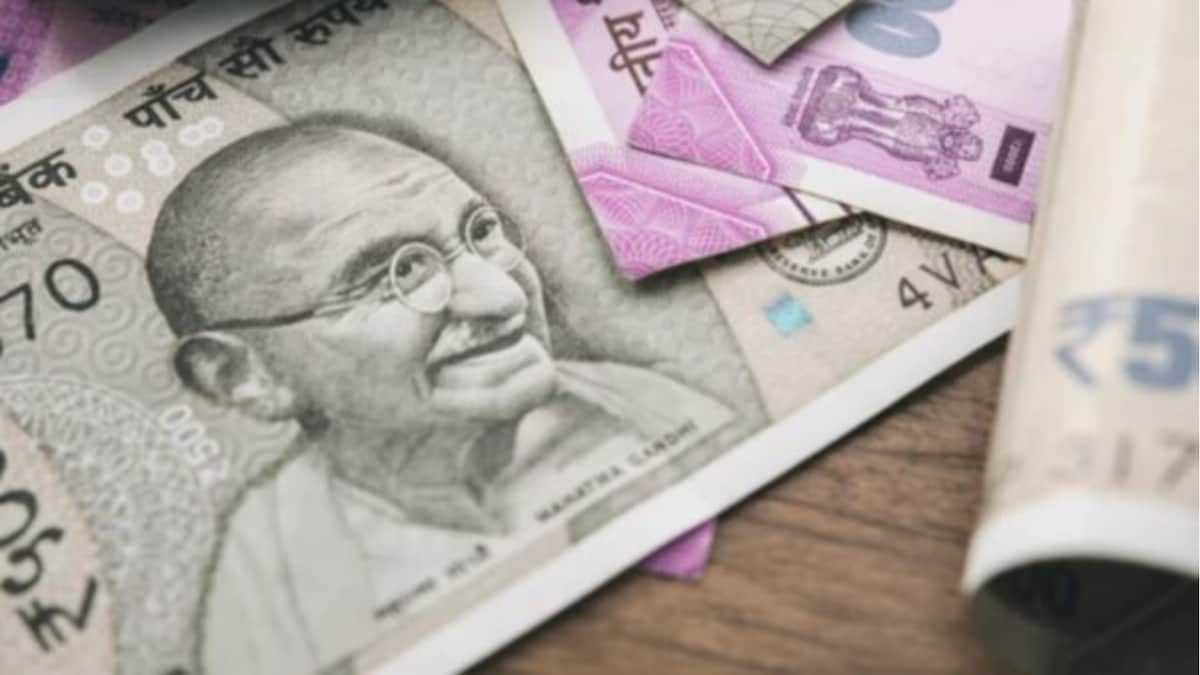
The rupee touched around 94.80 against the US dollar on Tuesday, gaining about a third of a percent in morning trade. Over two sessions, it has gained around 0.65%. It was also the best-performing currency among Asian emerging markets during the morning.
So, what is supporting the rupee when crude is doing the opposite?
The answer lies in a combination of RBI intervention, dollar inflows and traders cutting back on bets that the rupee will weaken.
The RBI is selling dollars
The most immediate reason for the rupee’s strength is the Reserve Bank of India’s intervention in the foreign exchange market.
When the RBI sells dollars, it increases the availability of dollars in the market and takes rupees in return. More dollars in the market can reduce the upward pressure on the US currency and help the rupee strengthen.
This matters because the rupee had been under pressure for some time, and many traders had positioned themselves for the dollar to remain strong against the rupee.
That trade has now started moving against them.
As the rupee strengthened, some of these traders began selling dollars to close their positions. That added to the dollar supply in the market and gave the rupee another push higher.
MSCI-related dollar inflows are adding support
There has also been some additional dollar inflow linked to MSCI’s index rebalancing.
In simple terms, global investors regularly adjust their portfolios when major stock market indices are rebalanced. When money flows into Indian assets, investors need to bring dollars into India and convert those dollars into rupees.
That creates demand for the Indian currency.
The MSCI-related inflows, therefore, are providing another source of support at a time when the RBI is also selling dollars.
Why are traders cutting their dollar bets?
Another part of the story is what is happening to traders who had bet on a weaker rupee.
A long-dollar position essentially means a trader is betting that the dollar will rise against the rupee. If the rupee instead starts strengthening, that position can turn into a loss.
The sharp move in the rupee has therefore encouraged some traders to close those bets. To do that, they need to sell dollars, which in turn provides further support to the rupee.
This is also changing market sentiment. Traders who had expected the rupee to remain weak are becoming more cautious about holding large dollar positions.
There is now a growing view in some parts of the market that the rupee could strengthen further if the RBI allows it and if other sources of dollar inflows continue.
Why does August 31 matter?
Another factor being discussed in the market is the RBI’s handling of foreign-currency non-resident, or FCNR, deposit inflows.
The RBI had opened a special window to encourage banks to attract FCNR deposits. These deposits bring foreign currency into the banking system, but the associated foreign exchange has to be managed, including through currency swaps.
Some traders believe the RBI may have had an incentive to keep the rupee relatively weak until August 31 because of the cost of carrying out these swaps for the three- and five-year deposits.
The thinking is that, once the August 31 deadline passed, there was less reason for the RBI to be concerned about keeping the rupee weak for this particular purpose.
This is a market interpretation, however, and not a stated RBI objective.
But shouldn’t high crude push the rupee down?
It normally does.
Crude oil is one of India’s biggest imports. When oil prices rise, Indian oil companies need more dollars to pay for those imports.
For example, if an importer has to pay more dollars for the same quantity of oil, demand for dollars increases. If the supply of dollars does not rise enough to meet that demand, the rupee can weaken.
That is why the recent rise in crude prices remains a clear risk for the Indian currency.
Crude prices extended their gains on Tuesday amid concerns about supply disruptions following renewed fighting between the United States and Iran. Brent crude traded above $91 a barrel, while West Texas Intermediate stayed above $86 after rising 2.8% on Monday.
So, crude is still working against the rupee. It is just not the only factor influencing the exchange rate at the moment.
What could happen to the rupee from here?
The near-term direction of the rupee will depend on which of these forces proves stronger.
If the RBI continues to sell dollars, foreign investors continue to bring money into Indian assets and traders keep reducing their bets on a weaker rupee, the currency could remain supported.
A fall in crude prices or a reduction in tensions in West Asia would provide an additional boost because it would reduce India’s dollar demand for oil imports.
But the risk can quickly turn if crude prices rise sharply from here. A sustained increase in oil prices would raise India’s import bill and increase demand for dollars, putting pressure back on the rupee.
For now, the important point is that high crude prices are not enough on their own to determine the rupee’s direction.
The currency is currently benefiting from strong dollar selling, MSCI-related inflows and traders unwinding bets on a weaker rupee. Those factors are, at least for now, outweighing the pressure coming from expensive crude.