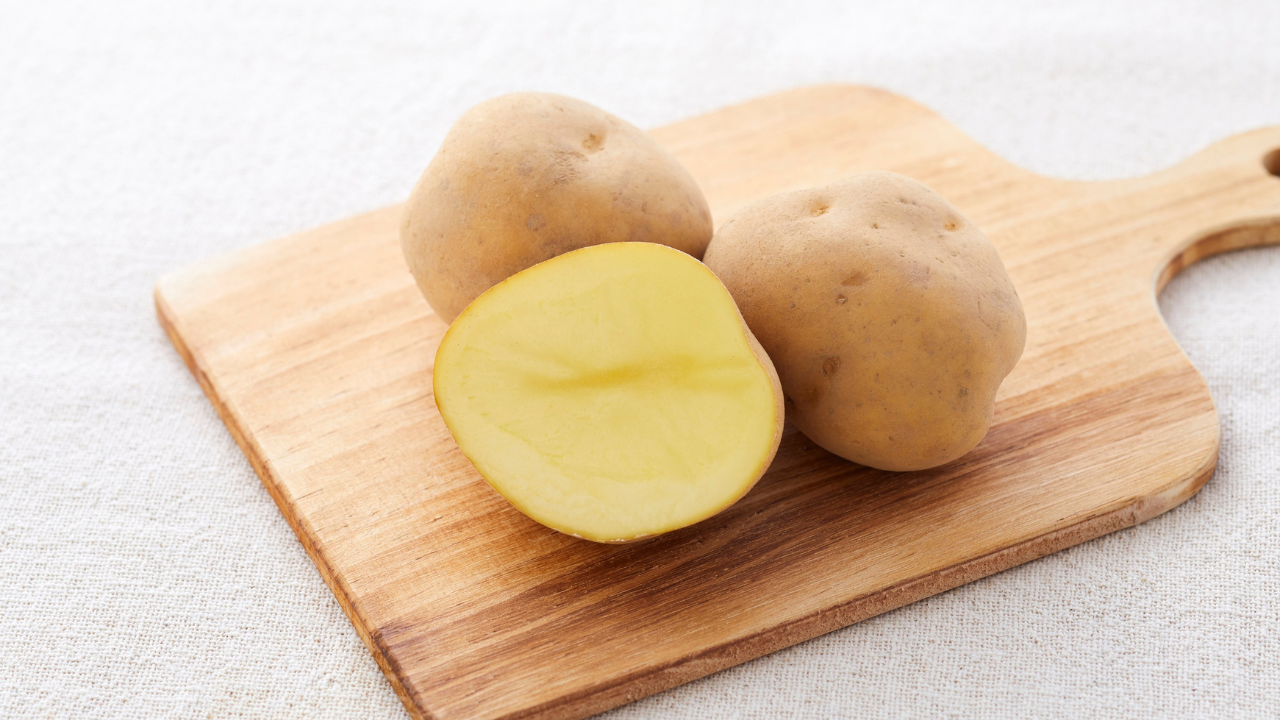
Potato peels are usually destined for the compost bin, but a growing number of home cleaning enthusiasts are giving them a second life. Combined with baking soda, the humble peel has become the centre of a viral cleaning hack that claims to remove rust from metal surfaces without relying on harsh commercial chemicals.The idea isn’t entirely new. Potatoes naturally contain oxalic acid, a mild organic acid known for its ability to react with iron oxide, the reddish-brown compound commonly recognised as rust. When paired with the gentle abrasive action of baking soda, the mixture can help loosen light surface rust while minimising scratches. Although it won’t restore heavily corroded metal, it can be an inexpensive and environmentally friendly option for tackling small patches of rust around the home.
Why potatoes can help remove rust
The science behind the trick lies in the chemistry of the potato itself. According to the University of Wisconsin–Madison, potatoes contain naturally occurring oxalic acid, which can bind to iron compounds and help dissolve light rust deposits. Baking soda contributes in a different way. Rather than chemically dissolving rust, it acts as a mild abrasive, helping lift loosened rust particles from the surface without being as aggressive as steel wool or harsh chemical cleaners.
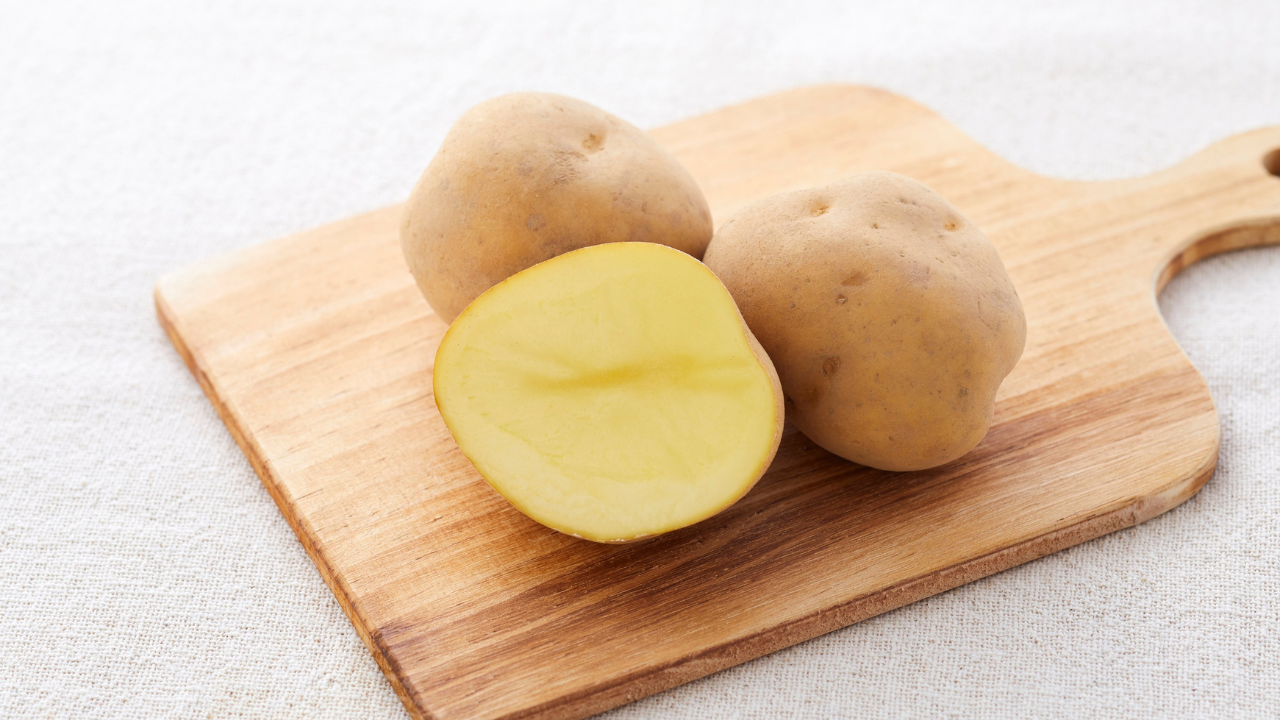
Image: Canva
According to El Cronista, together, the two ingredients create a simple cleaning paste that works best on lightly rusted tools, kitchen utensils, gardening equipment and other small metal objects.
How to use potato peels and baking soda for light rust
- Using the method requires very little preparation:
- Sprinkle a generous amount of baking soda over the inside of a fresh potato peel or a cut potato.
- Rub the peel directly onto the rusted area using gentle, circular motions.
- If the peel becomes smooth or discoloured, trim off the used layer and add more baking soda.
- Leave the mixture on the metal for a few minutes before wiping it away with a damp cloth.
- Dry the surface thoroughly to help prevent new rust from forming.
For stubborn rust, the process may need to be repeated several times.
A useful household hack, but not a miracle cure
Like many DIY cleaning tricks, this one has its limits. The potato-and-baking-soda method is most effective on light, surface-level rust. Deep corrosion or structural rust usually requires stronger rust removers, specialised treatments or mechanical cleaning.Still, the hack highlights how everyday kitchen ingredients can sometimes perform surprising tasks beyond cooking. Instead of throwing away potato peels, they may offer a practical way to tackle minor rust spots while reducing food waste and avoiding harsher cleaning products. For quick maintenance around the home, it’s a simple solution backed by a bit of everyday chemistry rather than internet myth.